

1 of 6
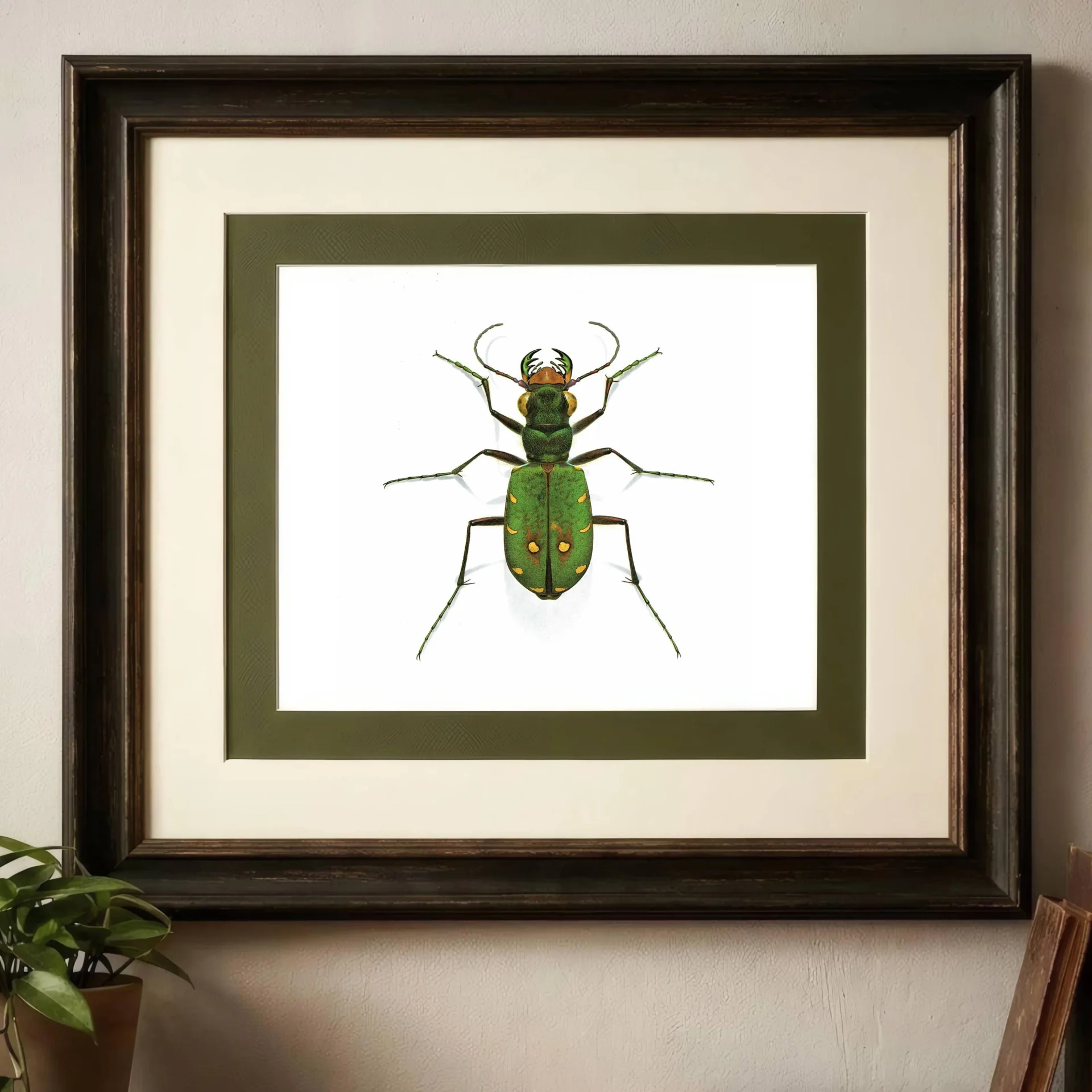
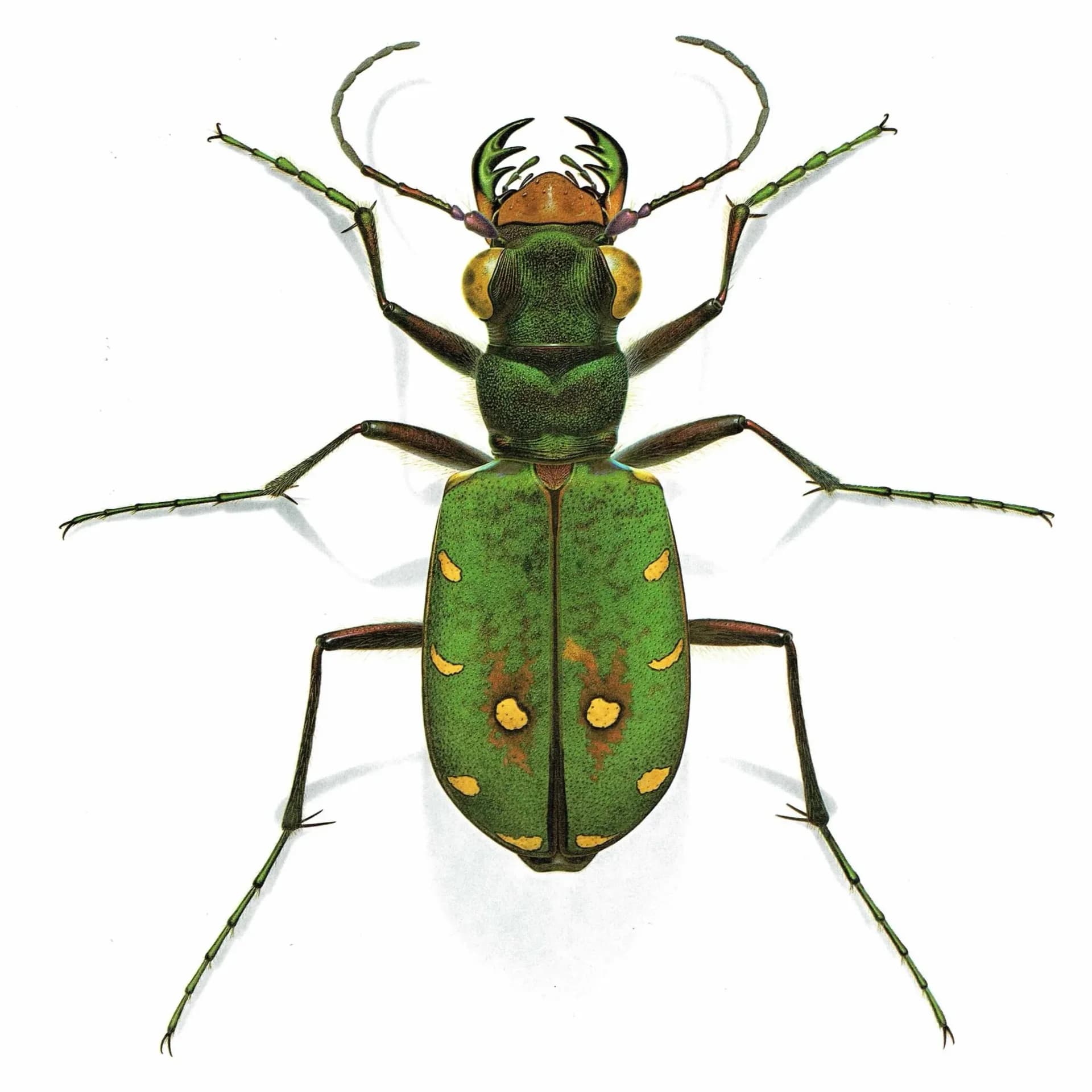
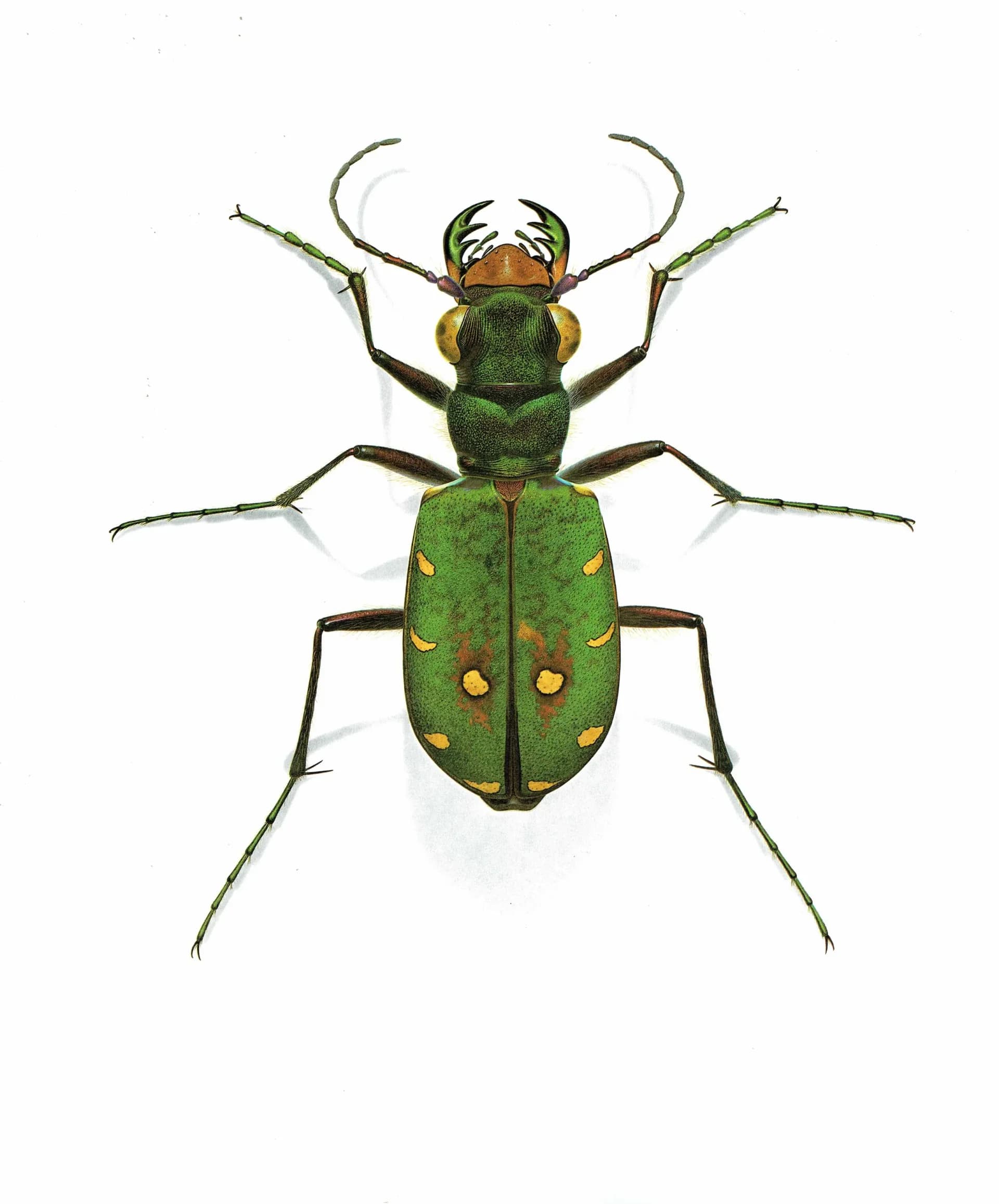
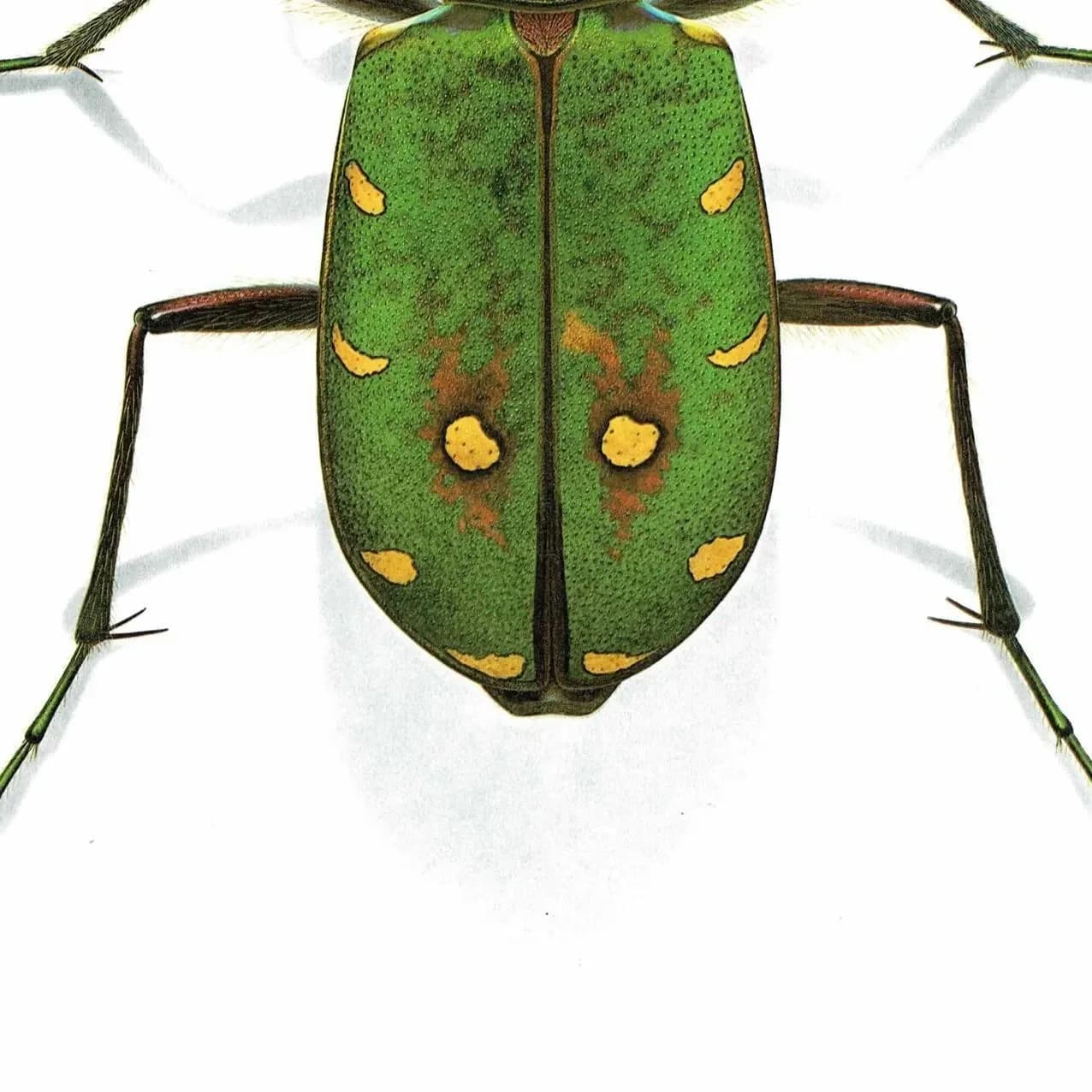
1986 Cicindela Campestris Field Tiger Beetle - Durin Bernard Scientific Illustration - Linnaeus Entomology - 11 x 13 in
This is a gorgeous high quality vintage print with vivid colours taken from a disbound copy of Les Insectes by Bernard Durin. The dimensions are 11 x 13 inches.
Visit https://www.etsy.com/uk/shop/ForestHillArtsHouse?section_id=53836226 for more Insects prints.
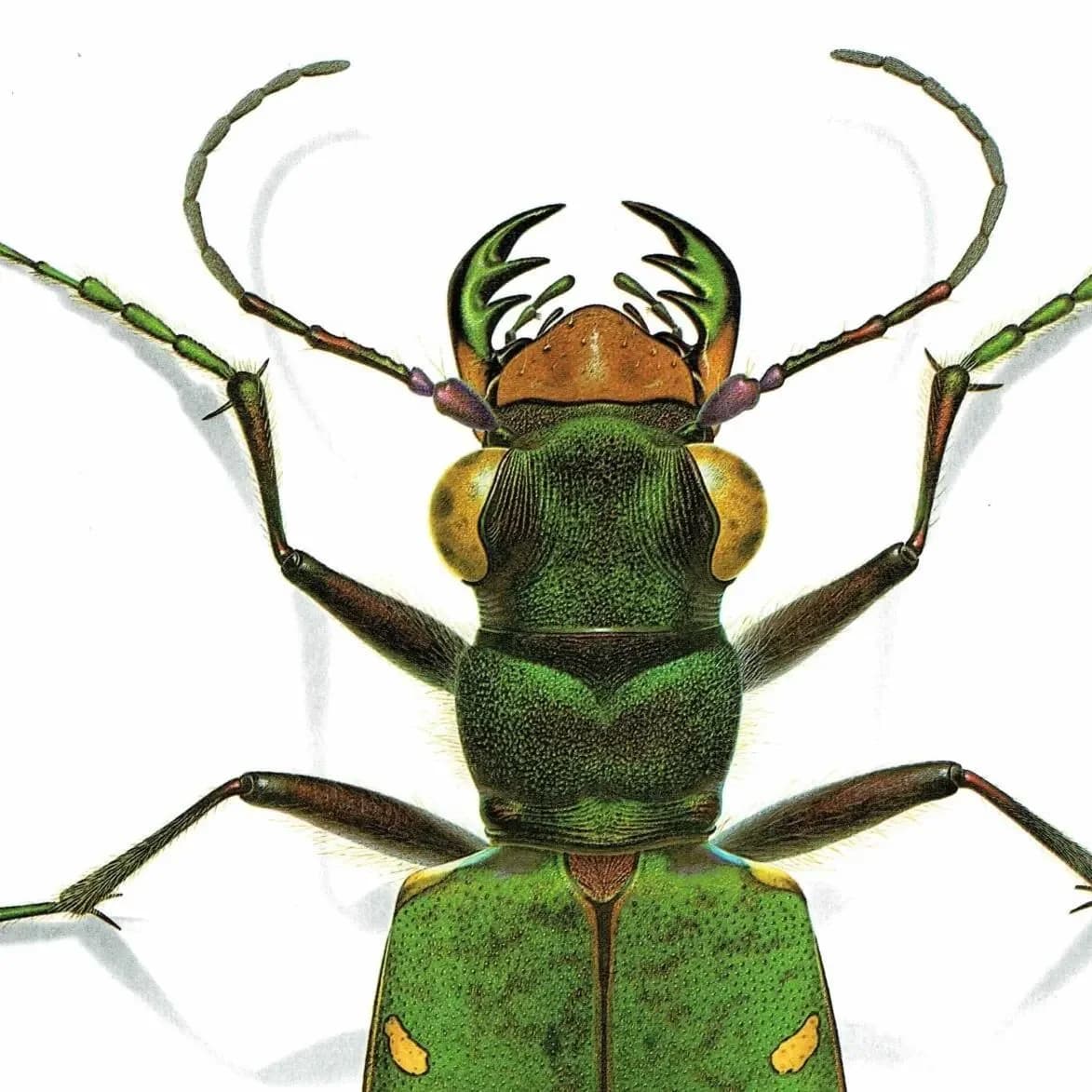
The print shows the Field Tiger Beetle (Cicindelidae) . It is the most common species in Europe. It flies as well as it runs. With its protruding eyes extending beyond the sides of its head, it sees very well what is happening around it, both in the air and on the ground. Its impressive mandibles show that it can be quite aggressive. They are capable of crushing all sorts of chitin shells, even the hardest ones.
This beetle prefers sandy paths in forests and fields, where the loose soil allows its larvae to settle and adult beetles to move freely. Tiger beetles love sunny spots, and if a cloud passes over and casts a shadow, they disappear immediately. They are agile, fast runners, and can quickly cover distances of about fifteen meters or more.
The larvae stay in vertical burrows at the bottom of which they wait for prey. They block the entrance with their strongly chitinized heads and the front part of their prothorax, which forms a disc at a right angle to the rest of the body. The fifth abdominal tergite has two hooks with which they cling inside the burrow. When an insect steps into the trap, the larvae grab it quickly and decapitate it. If they miss, the larva forcefully throws itself against the wall of the burrow by recoiling abruptly.
At the bottom of the burrow, the larva grinds and soaks its prey with digestive juices before absorbing it. It then sucks up the semi-digested pulp. Adults use the same method of extra-oral digestion. The indigestible chitin parts, as well as waste, are ejected from the burrow by the larva. During hibernation, molting, and pupation, the burrow is sealed. Larval development takes between 1 and 4 years.
Classified by Linnaeus
**Background**
The artist Bernard Durin was an artist and illustrator transforming the tiniest creatures into works of art. Born in France in 1940, "Beetles and Other Insects," was published in 1980. It is considered a masterpiece. Durin has captured the intricate patterns, textures, and colours of his subjects with stunning accuracy. He made around 60 portraits of insects, using rare and fascinating specimens entrusted to him by the entomologists of the Museum of Natural History in Paris. Durin’s work combines scientific precision with artistic beauty. This has made them valuable to entomologists and other scientists. Bernard Durin passed away in 1988. His illustrations continue to be admired for their beauty and precision, and they remain a valuable resource for anyone interested in the natural world.
**About Your Purchase:**
- Your purchase is this ORIGINAL vintage print. No modern reprints, reproductions, or copies.
- Please note: This print is sold unmounted.
**Condition:** Good. Consistent with age. The reverse shows text in German. There is no show-through.
**Returns & Shipping**
- **Returns:** No-questions-asked within 14 days provided in the same condition as dispatched; buyer pays return shipping.
- **Packaging:** All prints are securely packaged in a clear bag with a board-backed envelope, further reinforced with recycled cardboard.
- Dispatched via Royal Mail Tracked 24/48 (and Royal Mail Tracked International) with:
- UK delivery within 1-3 days
- US/EU delivery within 5-12 days
- Rest-of-world delivery within 7-21 days
Product Details
About This Print
This original insects print dates from the Late 20th Century (1980s). Vintage prints capture the aesthetic sensibilities of their era with distinctive artistic styles.
Each print from Forest Hill Arts House is carefully inspected for condition and authenticity. We provide detailed provenance information and ship with protective packaging to ensure your print arrives in excellent condition.
Related Topics
tiger beetle printcicindelidae artfield beetle posterdurin insect printbernard durin artvintage beetle artlinnaeus insectfast beetle species
Need a Custom Mount for Your Print?
We offer precision machine-cut picture mounts to your exact specifications. Choose from conservation-grade or standard mount board options.
Order Custom MountsRelated Products
You might also be interested in these prints
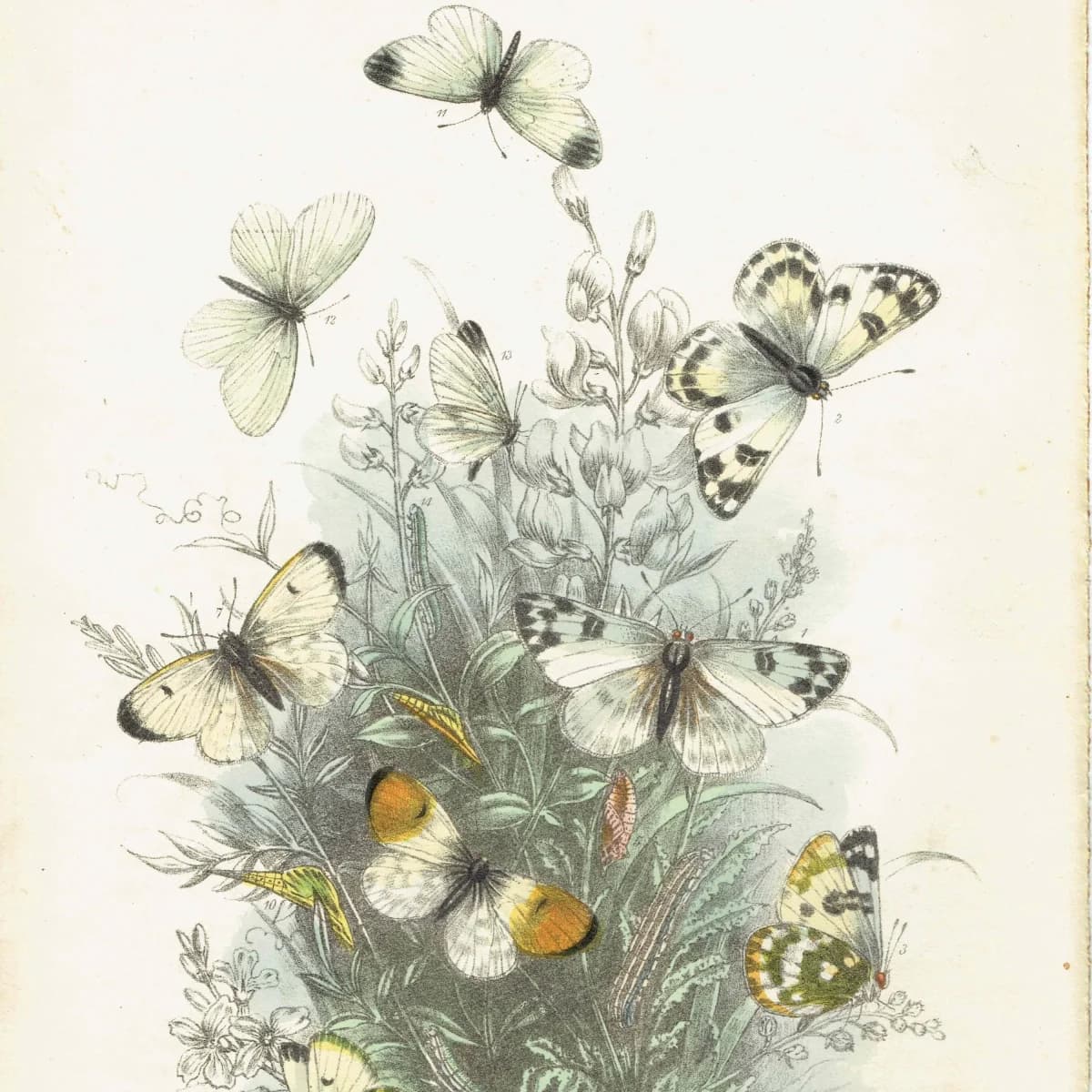
1859 Orange-tip & Wood White Butterfly - Original Antique Print By Humphreys - British Lepidoptera Chromolithograph Life Cycle - 7 x 10.4 in
7 x 10.4 in
19th Century
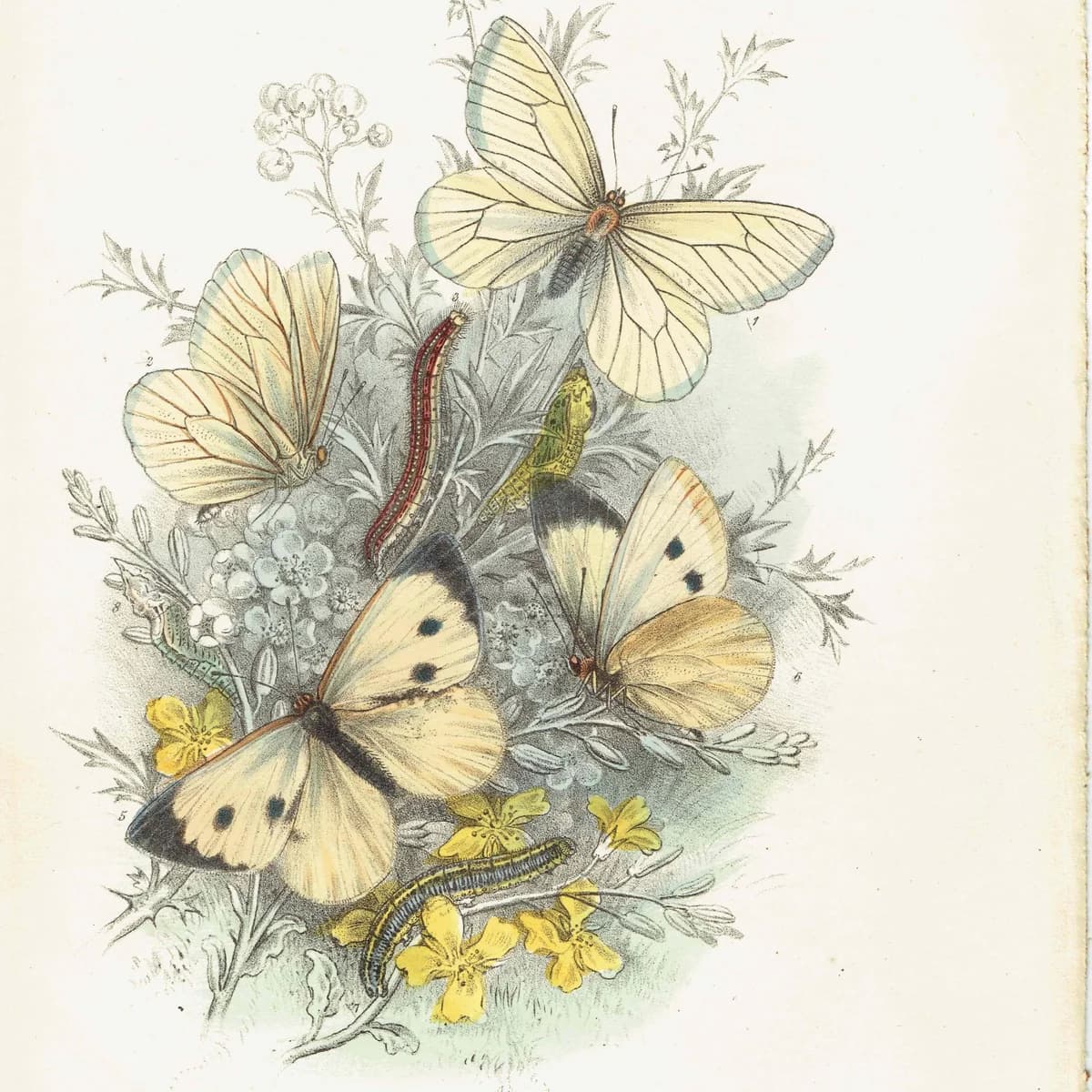
1859 Black-veined White & Great Cabbage White Butterflies - Hand-Coloured Lithograph, Henry Noel Humphreys, Plate III - 7 x 10.4 in
7 x 10.4 in
19th Century
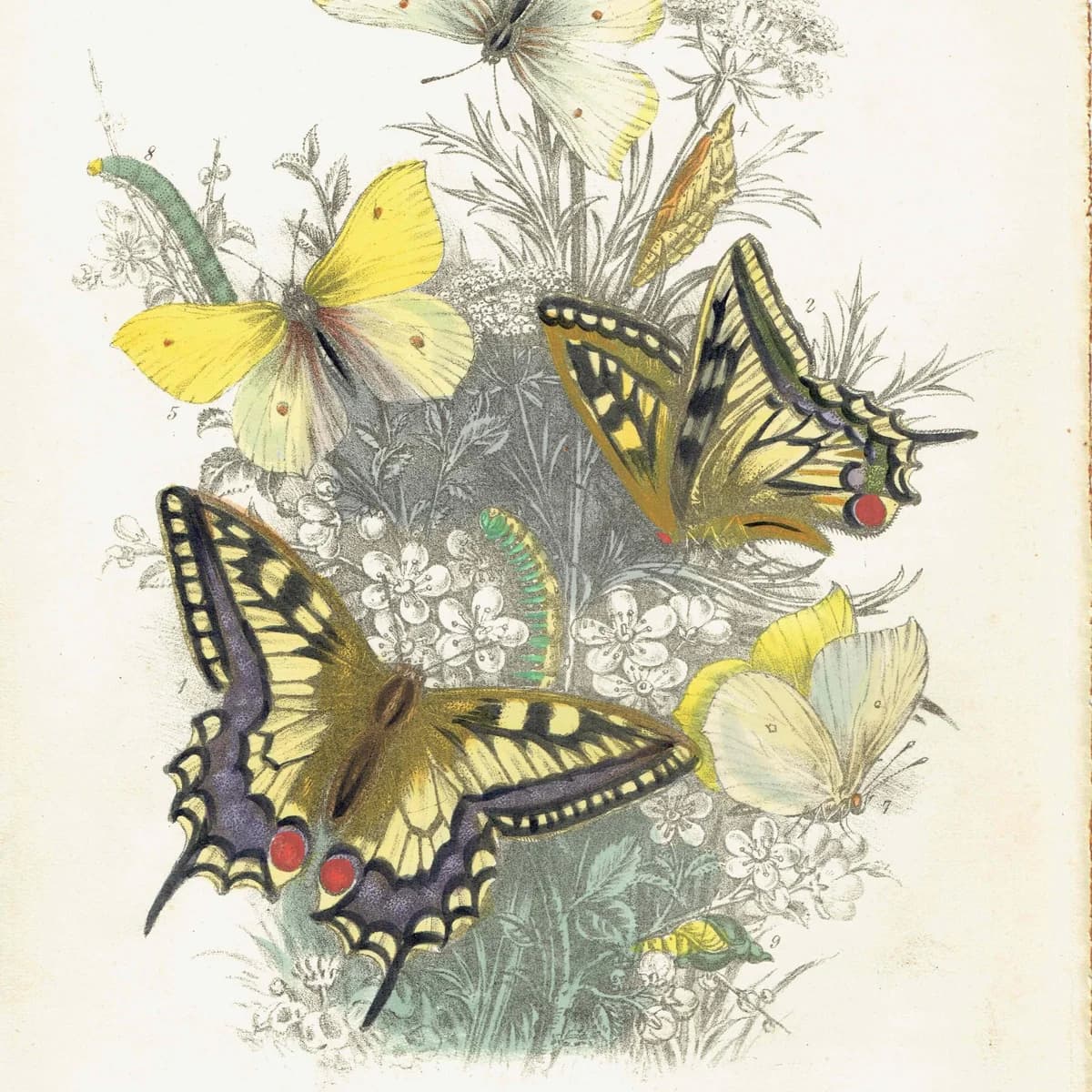
1859 Swallowtail & Brimstone Butterflies - Hand-Coloured Lithograph by Henry Noel Humphreys, Plate I - 7 x 10.4 in
7 x 10.4 in
19th Century
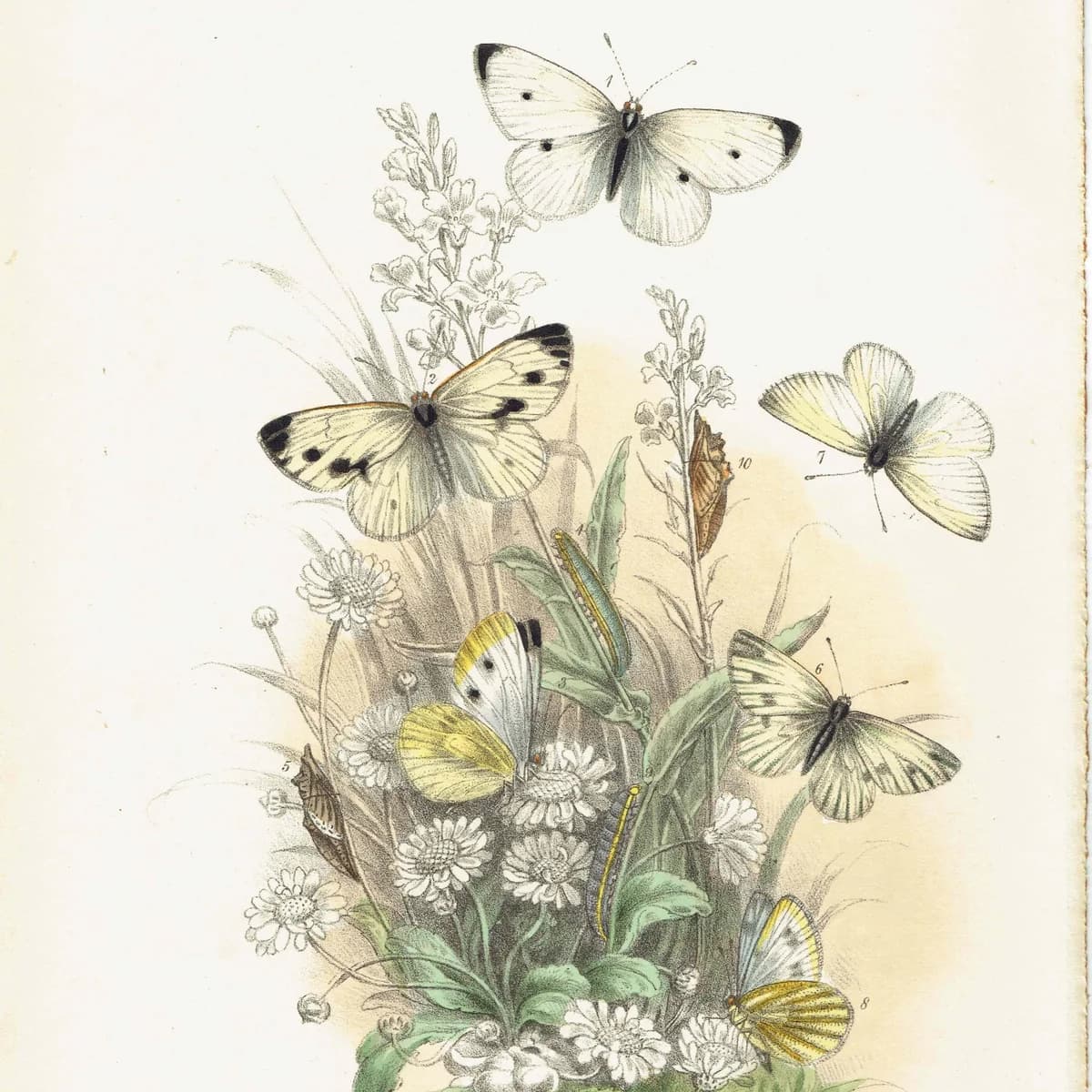
1859 Small Cabbage White & Green-veined White Butterflies - Hand-Coloured Lithograph, Henry Noel Humphreys, Plate IV - 7 x 10.4 in
7 x 10.4 in
19th Century
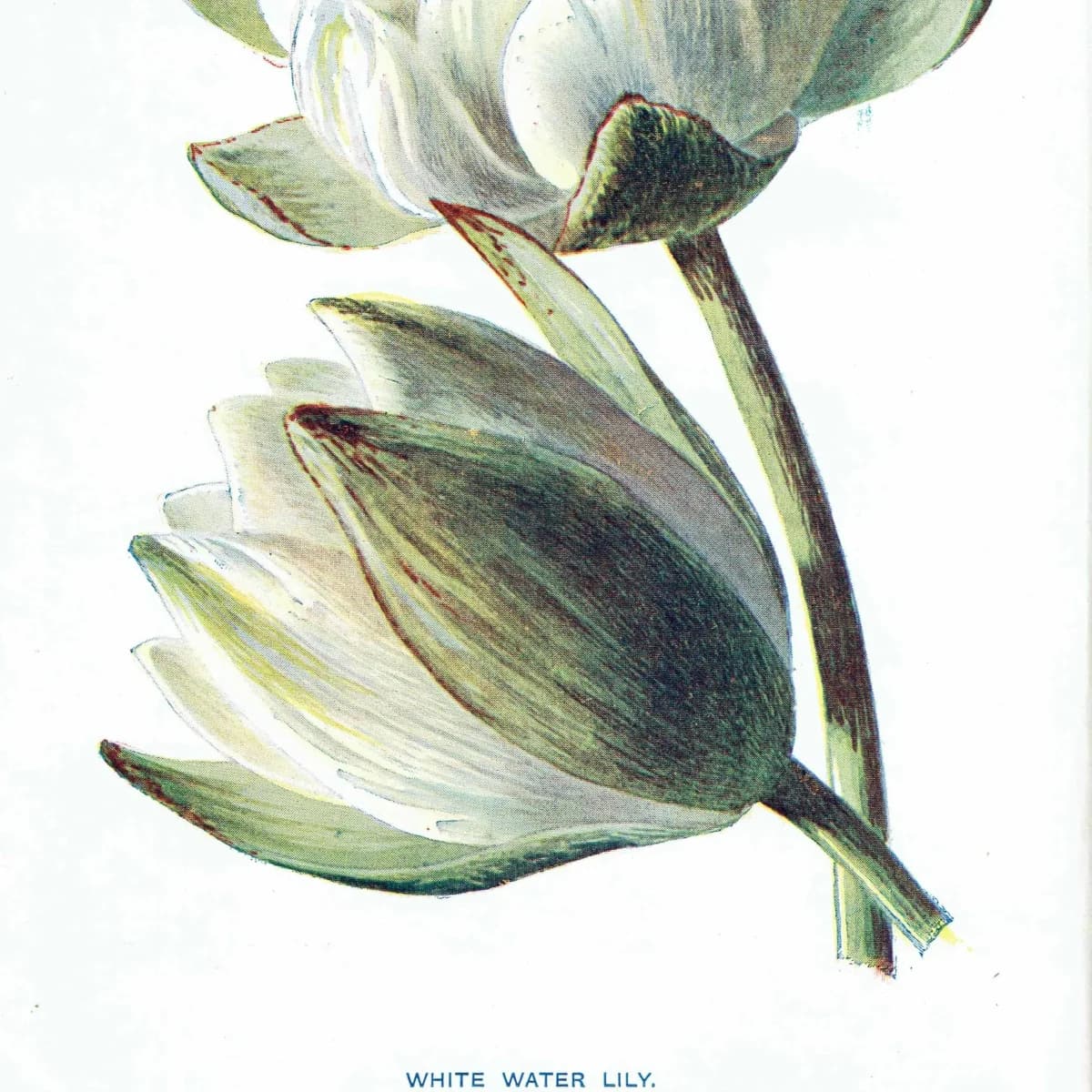
Antique White Water Lily Print – 1910s Hulme Botanical Illustration
Early 20th Century
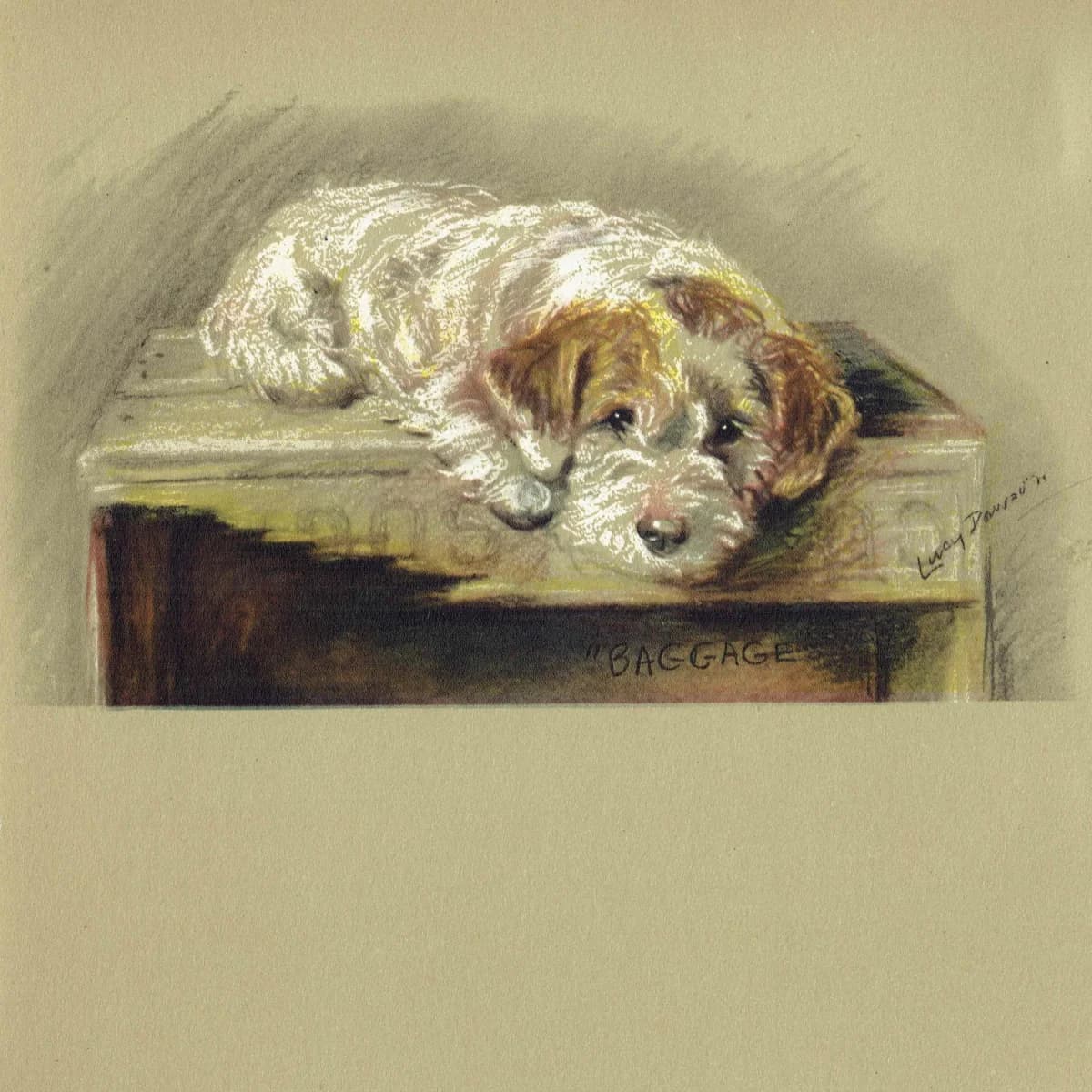
1946 Wire Fox Terrier 'Baggage' - Original Vintage Print By Dawson - Dog Portrait Pet Art Neighbours Lucy - 7 x 9.5 in
7 x 9.5 in
Mid 20th Century