

1 of 6
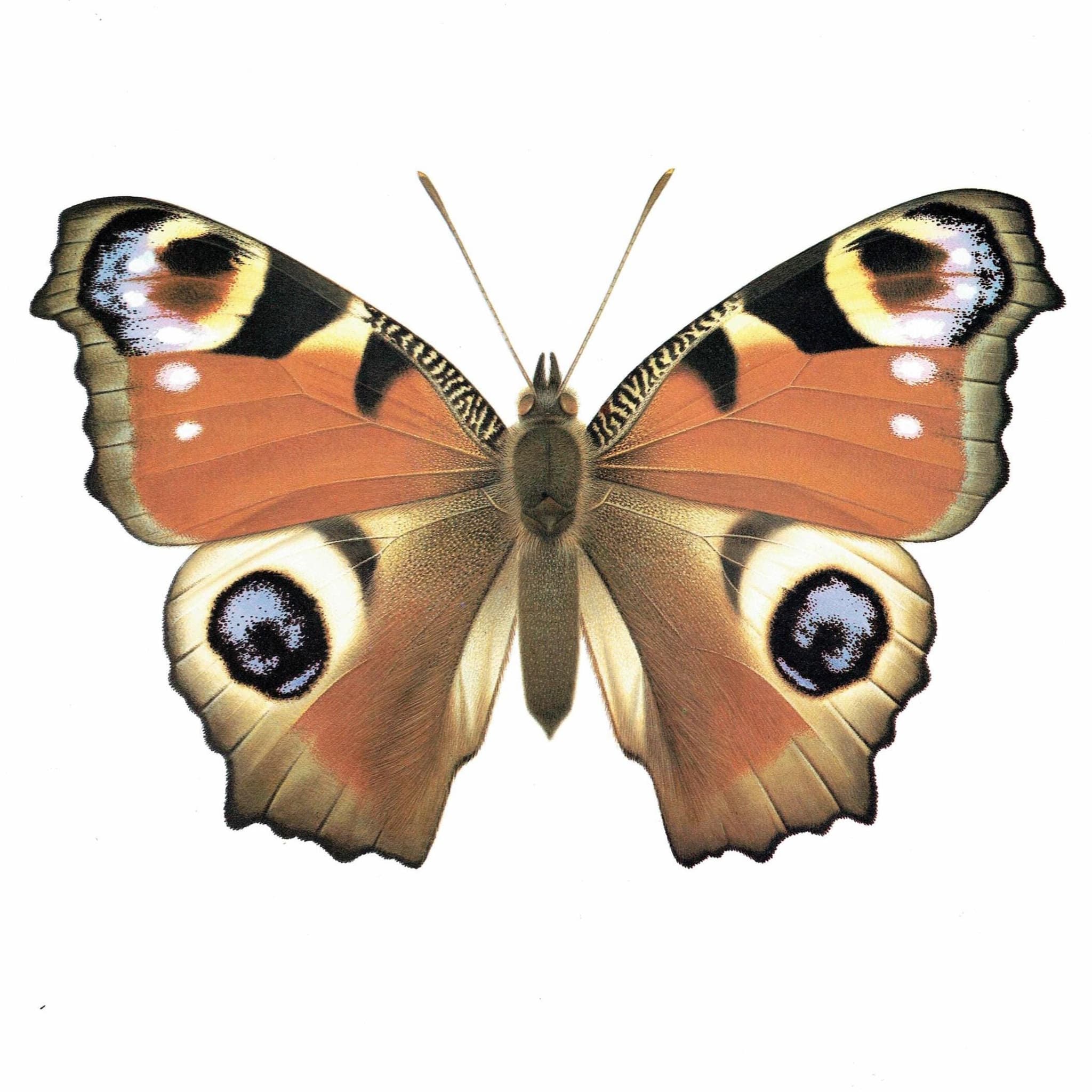
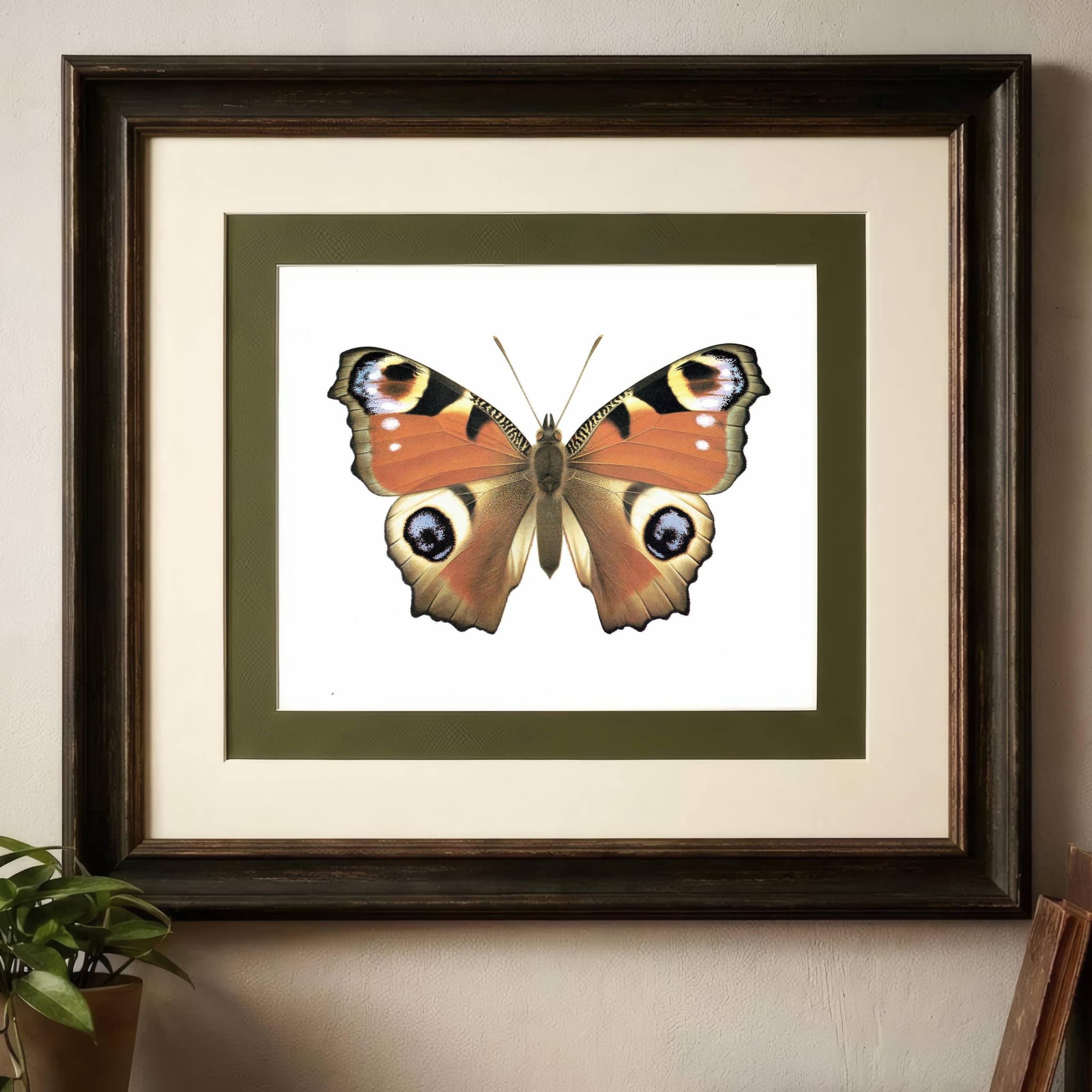
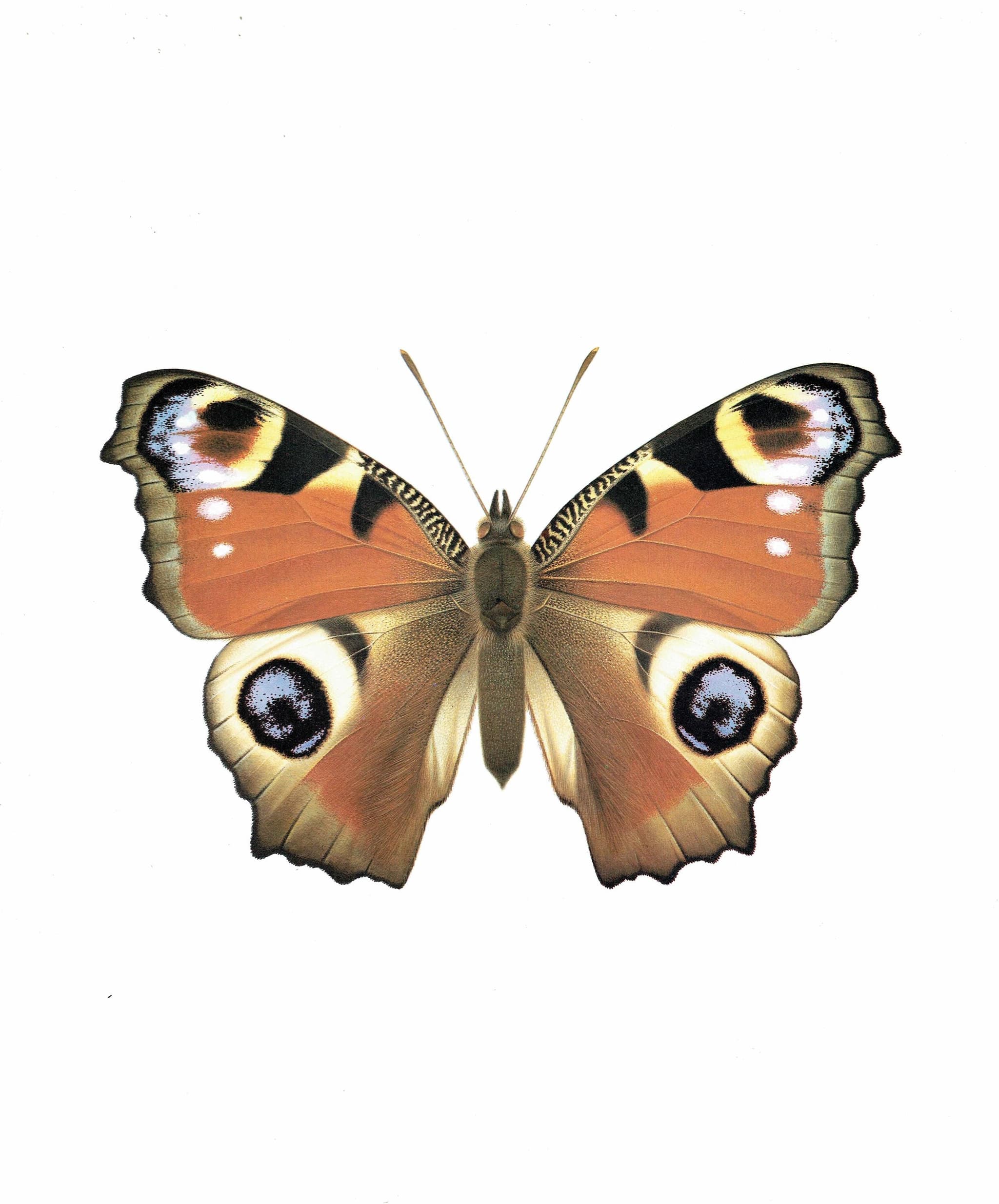
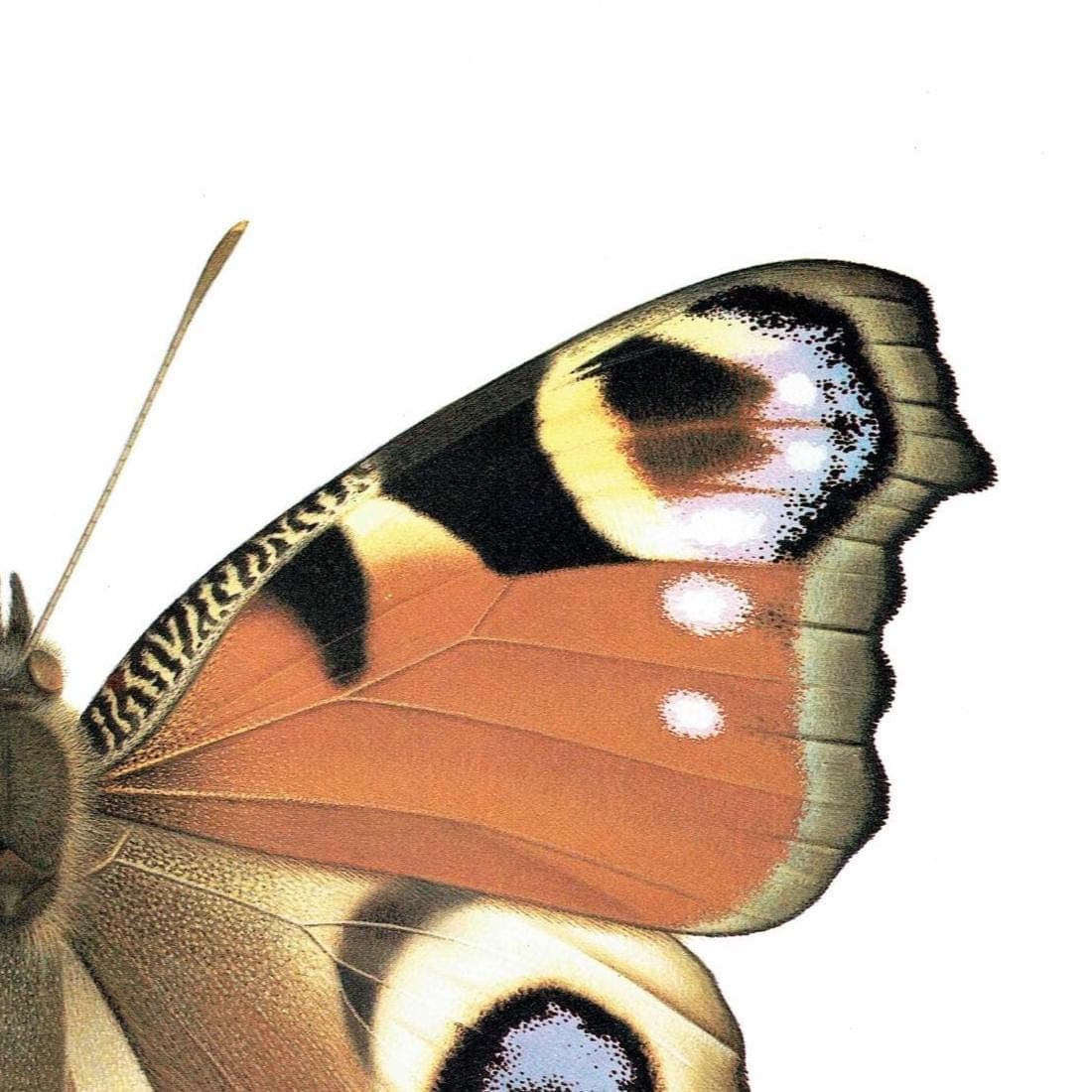
1986 European Peacock Butterfly Inachis io Print - Durin Bernard Vintage Scientific Illustration - Linnaeus Entomology - 11 x 13 in
This is a gorgeous high quality vintage print with vivid colours taken from a disbound copy of Les Insectes by Bernard Durin. The dimensions are 11 x 13 inches.
Visit https://www.etsy.com/uk/shop/ForestHillArtsHouse?section_id=53836226 for more Insects prints.
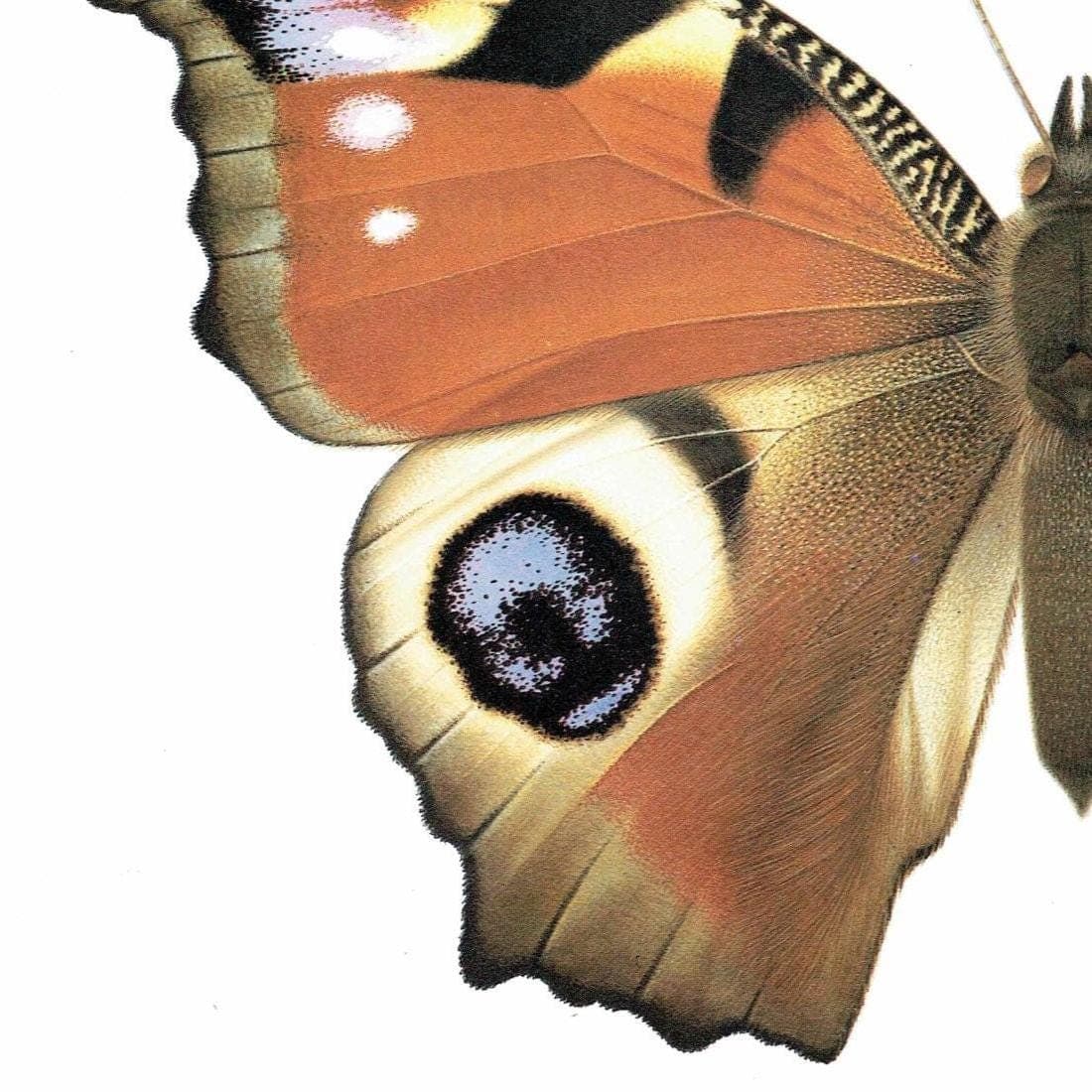
The peacock butterfly is widespread throughout Europe and beyond. This diurnal lepidopteran belongs to the family Nymphalidae, which includes elegant spotted butterflies. The upper side of the peacock butterfly's wings is a velvety red; a blue eye near the inner angle of each forewing stands out. At rest, its wings are folded upward, one over the other, and only the underside of the wings, dark and barely visible, can be seen. The butterfly then resembles a dead leaf, viewed from above, as a flat shape. When alarmed, it opens its wings and reveals its four bright, eye-like spots. According to one anthropomorphic interpretation, it is possible that this sudden display startles its enemies—though likely without the bad reputation associated with the peacock.
Never sated by sunshine, the peacock butterfly visits flower after flower to draw nectar. It can be seen from mid-July through to the end of winter. These butterflies appear before many other insects after winter. Mating occurs while flying in the sunlight: the pursuit happens over open ground, allowing easy observation on a sunny summer day. When flying, they can reach speeds close to 20 kilometers per hour. Egg-laying begins shortly after mating. Before doing so, the female basks in the sun to raise her body temperature. Egg-laying and caterpillar development take place on stinging nettles, their preferred host plant.
The caterpillar is black with white spots and has simple black spines. It can be considered quite sociable, as it is almost always seen in large groups on its host plant. Pupation lasts 10 to 14 days, depending on temperature. The chrysalis hangs upside-down by its tail, attached to a branch or some other support—hence the name "suspended chrysalis."
A marvel occurs within the chrysalis: the internal organs and outer forms of the caterpillar dissolve, and the butterfly emerges. Science calls this process metamorphosis. The butterfly emerges in the early morning hours. First, its wings hang limp along its body, soft and crumpled. Then air enters its respiratory system (the tracheae), and as hemolymph begins to circulate, the wings stiffen and stretch out. Soon after, the butterfly flaps its wings and takes flight. This is one of the complete metamorphoses, like those of beetles, hymenopterans, and dipterans.
**Background**
The artist Bernard Durin was an artist and illustrator transforming the tiniest creatures into works of art. Born in France in 1940, "Beetles and Other Insects," was published in 1980. It is considered a masterpiece. Durin has captured the intricate patterns, textures, and colours of his subjects with stunning accuracy. He made around 60 portraits of insects, using rare and fascinating specimens entrusted to him by the entomologists of the Museum of Natural History in Paris. Durin’s work combines scientific precision with artistic beauty. This has made them valuable to entomologists and other scientists. Bernard Durin passed away in 1988. His illustrations continue to be admired for their beauty and precision, and they remain a valuable resource for anyone interested in the natural world.
**About Your Purchase:**
- Your purchase is this ORIGINAL vintage print. No modern reprints, reproductions, or copies.
- Please note: This print is sold unmounted.
**Condition:** Good. Consistent with age.
**Returns & Shipping**
- **Returns:** No-questions-asked within 14 days provided in the same condition as dispatched; buyer pays return shipping.
- **Packaging:** All prints are securely packaged in a clear bag with a board-backed envelope, further reinforced with recycled cardboard.
- Dispatched via Royal Mail Tracked 24/48 (and Royal Mail Tracked International) with:
- UK delivery within 1-3 days
- US/EU delivery within 5-12 days
- Rest-of-world delivery within 7-21 days
Product Details
About This Print
This original insects print dates from the Late 20th Century (1980s). Vintage prints capture the aesthetic sensibilities of their era with distinctive artistic styles.
Each print from Forest Hill Arts House is carefully inspected for condition and authenticity. We provide detailed provenance information and ship with protective packaging to ensure your print arrives in excellent condition.
Related Topics
peacock butterflynymphalidae printred blue butterflydurin insect printbutterfly wall artvintage insect printbernard durin artmetamorphosis art
Need a Custom Mount for Your Print?
We offer precision machine-cut picture mounts to your exact specifications. Choose from conservation-grade or standard mount board options.
Order Custom MountsRelated Products
You might also be interested in these prints
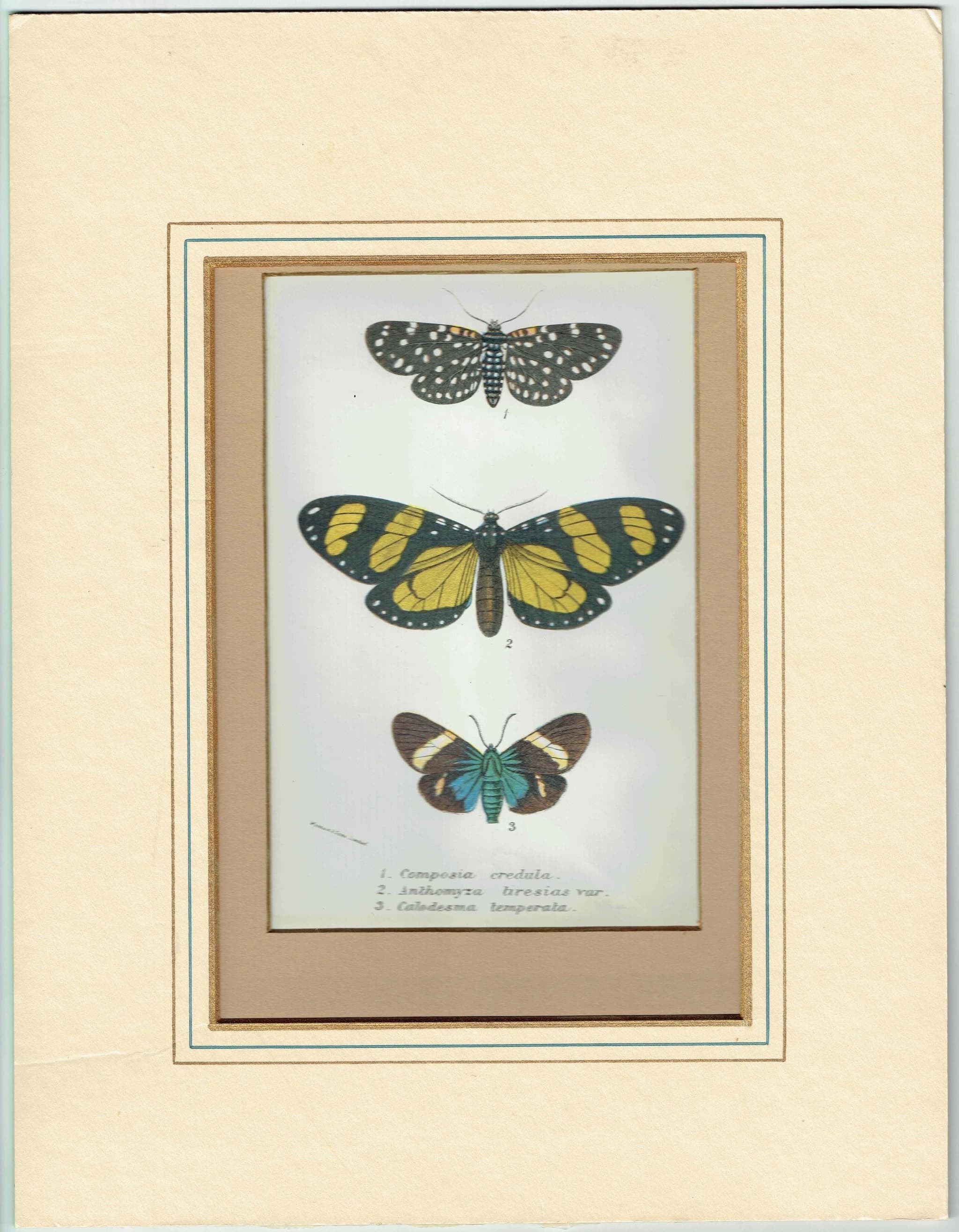
1896 Antique Moth Print - Composia credula, Anthomyza teresias, Calodesma temperata - Moth species - Entomology Wall Art - 7 x 4.5 in
7 x 4.5 in
19th Century

1986 Wasp Orb-Weaver Spider Argiope Bruennichii Print - Durin Bernard Les Insectes Scientific Illustration - Scopoli Entomology - 11 x 13 in
11 x 13 in
Late 20th Century
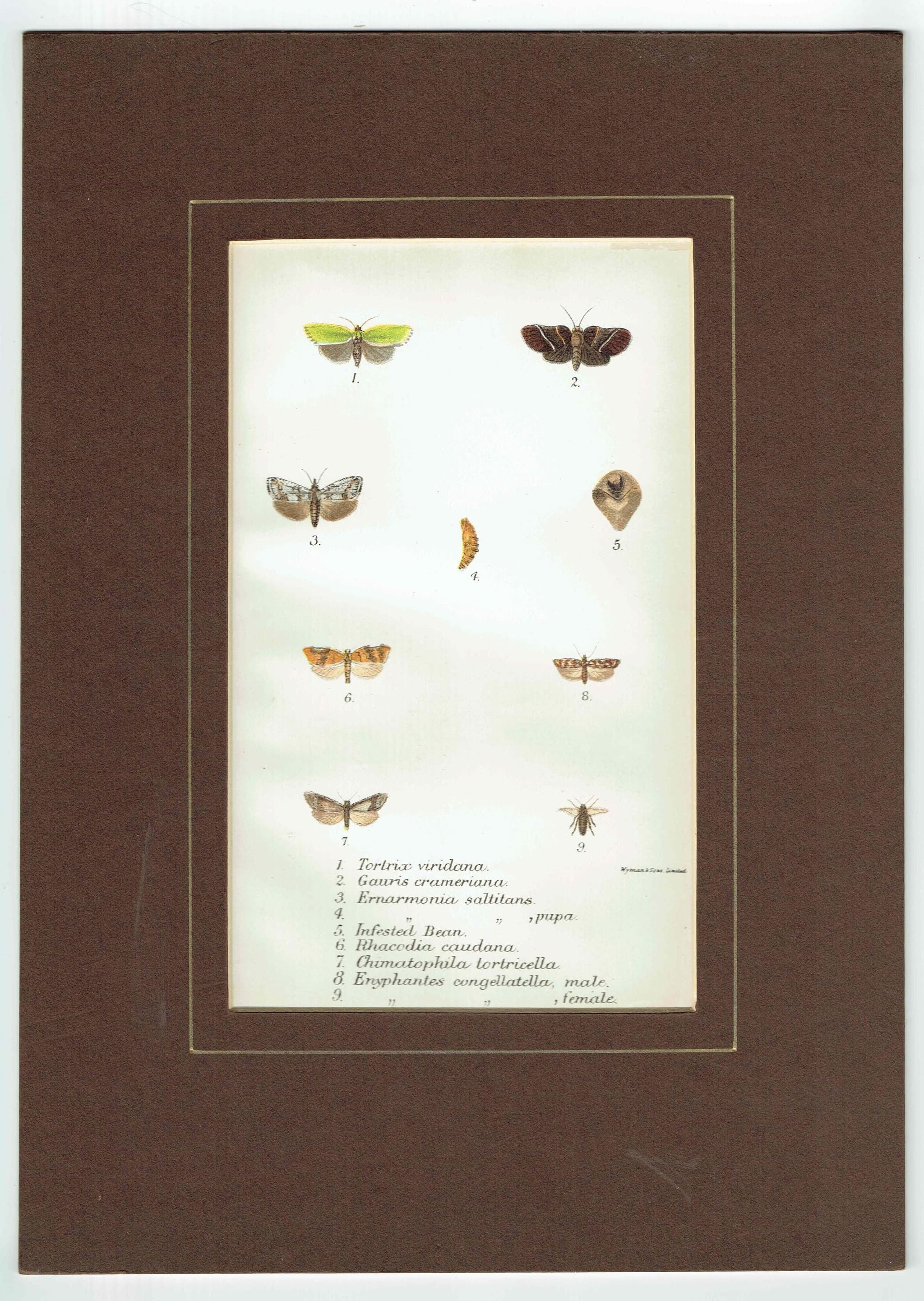
1897 Tortricid Moths Print - Hand-colored Entomology Plate - Tortrix viridana, Gauris crameriana & More - Mount window 4.25 x 7 in
4.25 x 7 in
19th Century
1986 Magnificent Weevil Eupholus Magnificus Print - Durin Bernard Les Insectes Science Illustration - Kirch Entomology - 11 x 13 in
11 x 13 in
Late 20th Century
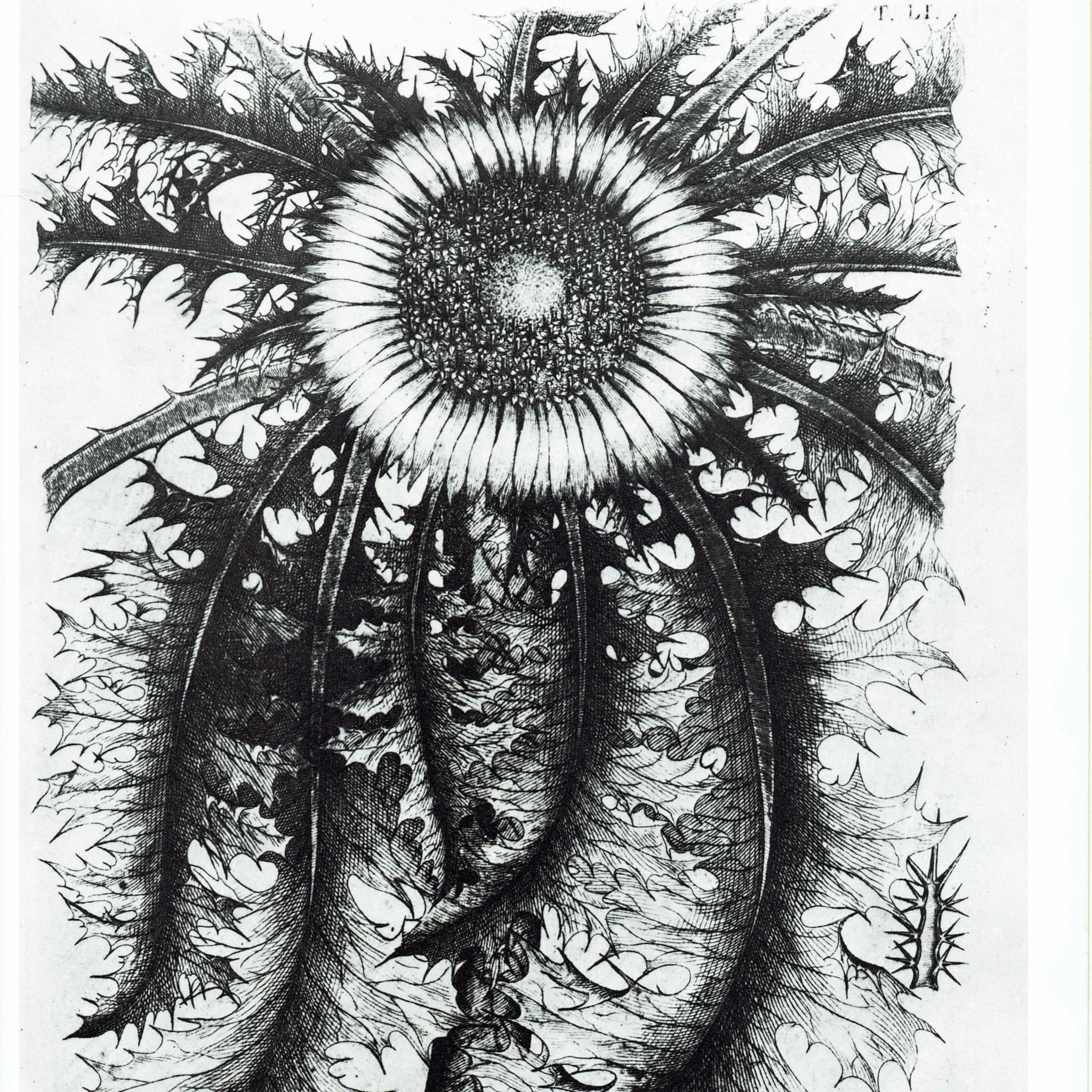
Carline Thistle - Original Vintage Print By Allioni - Flora Pedemontana Plate 51 Botanical Study Flower Art - 10 x 14 in
10 x 14 in
Late 20th Century
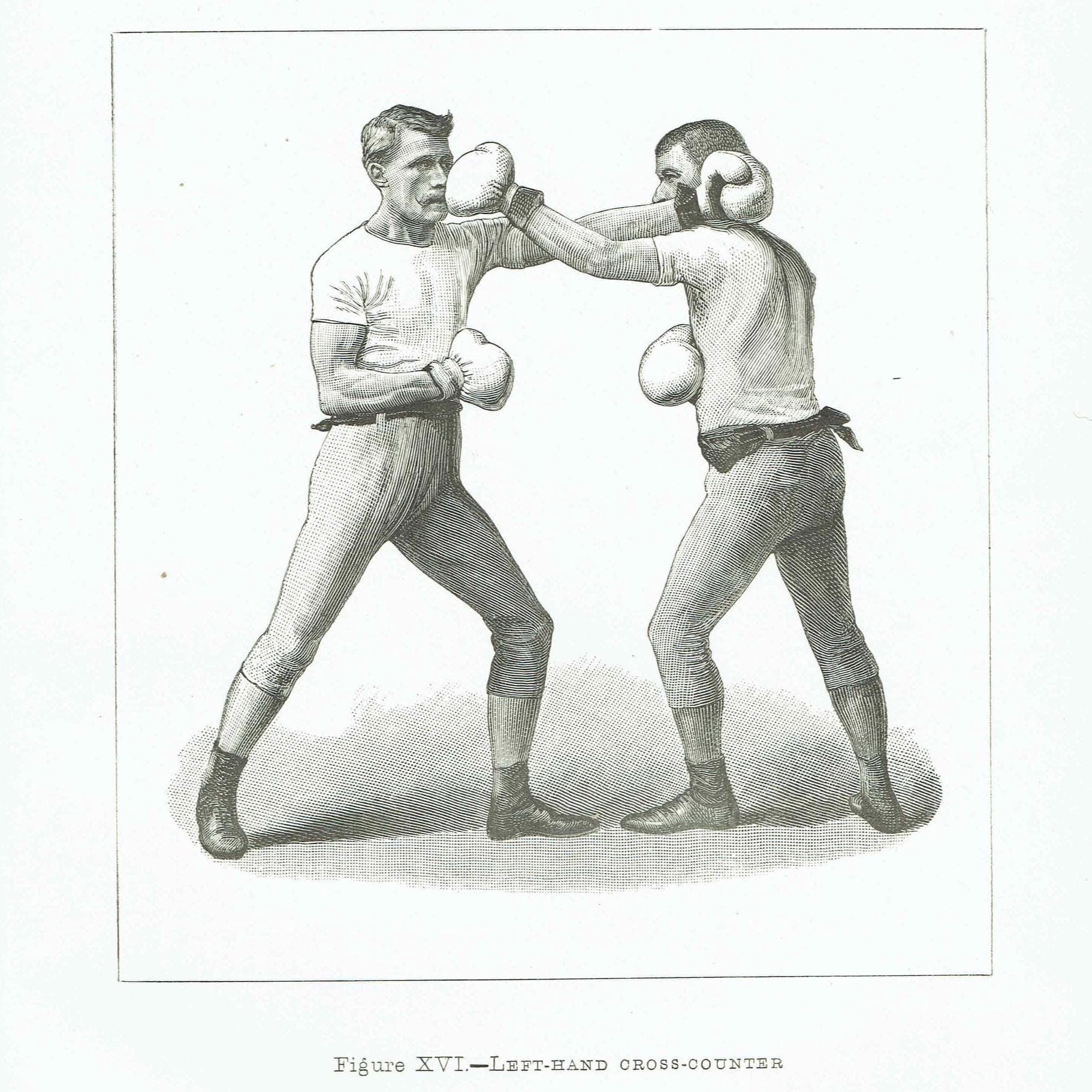
1889 Left-Hand Cross-Counter Boxing - Original Antique Print - Badminton Library Victorian Sports Pugilism Athlete - 5 x 7 in
5 x 7 in
19th Century