

1 of 6
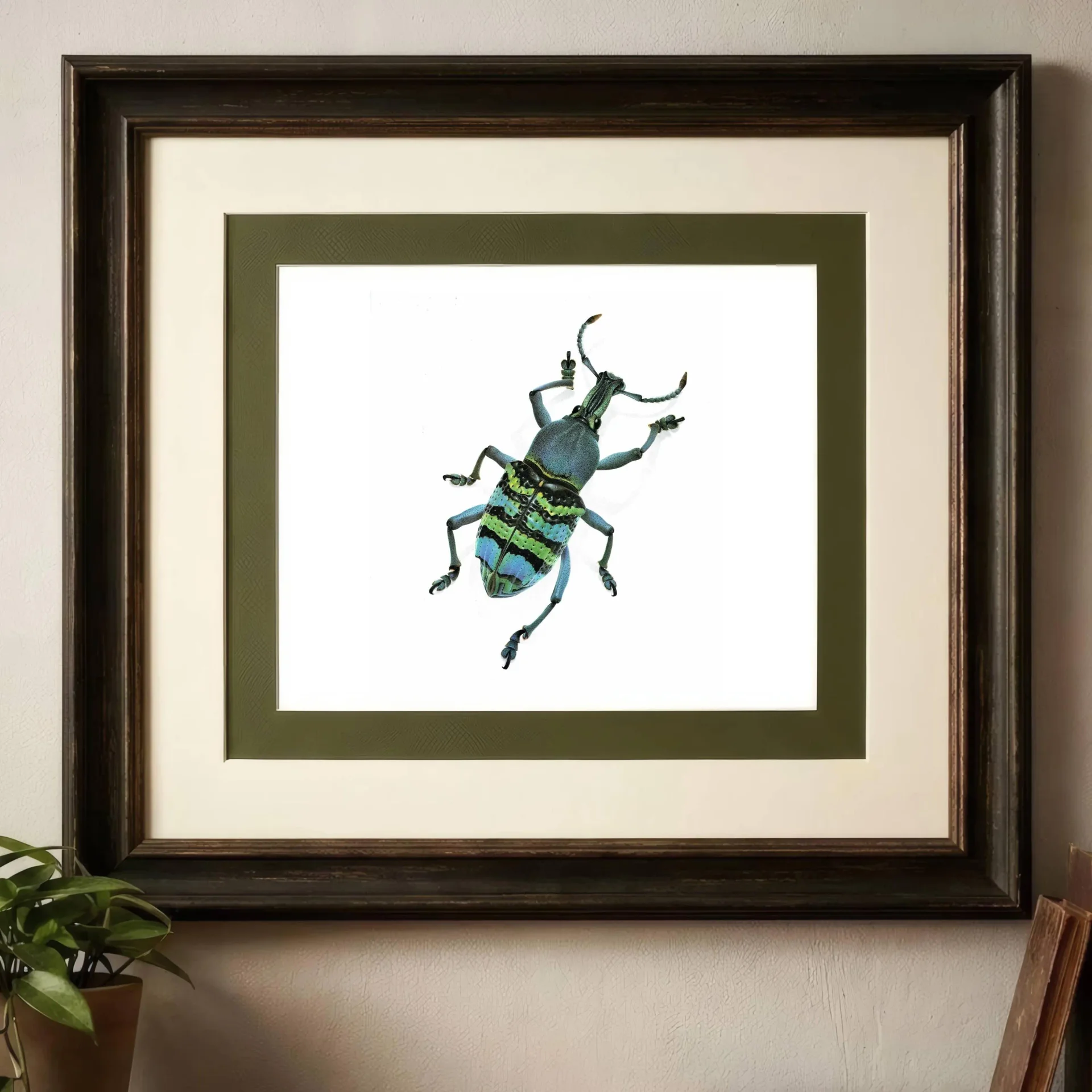
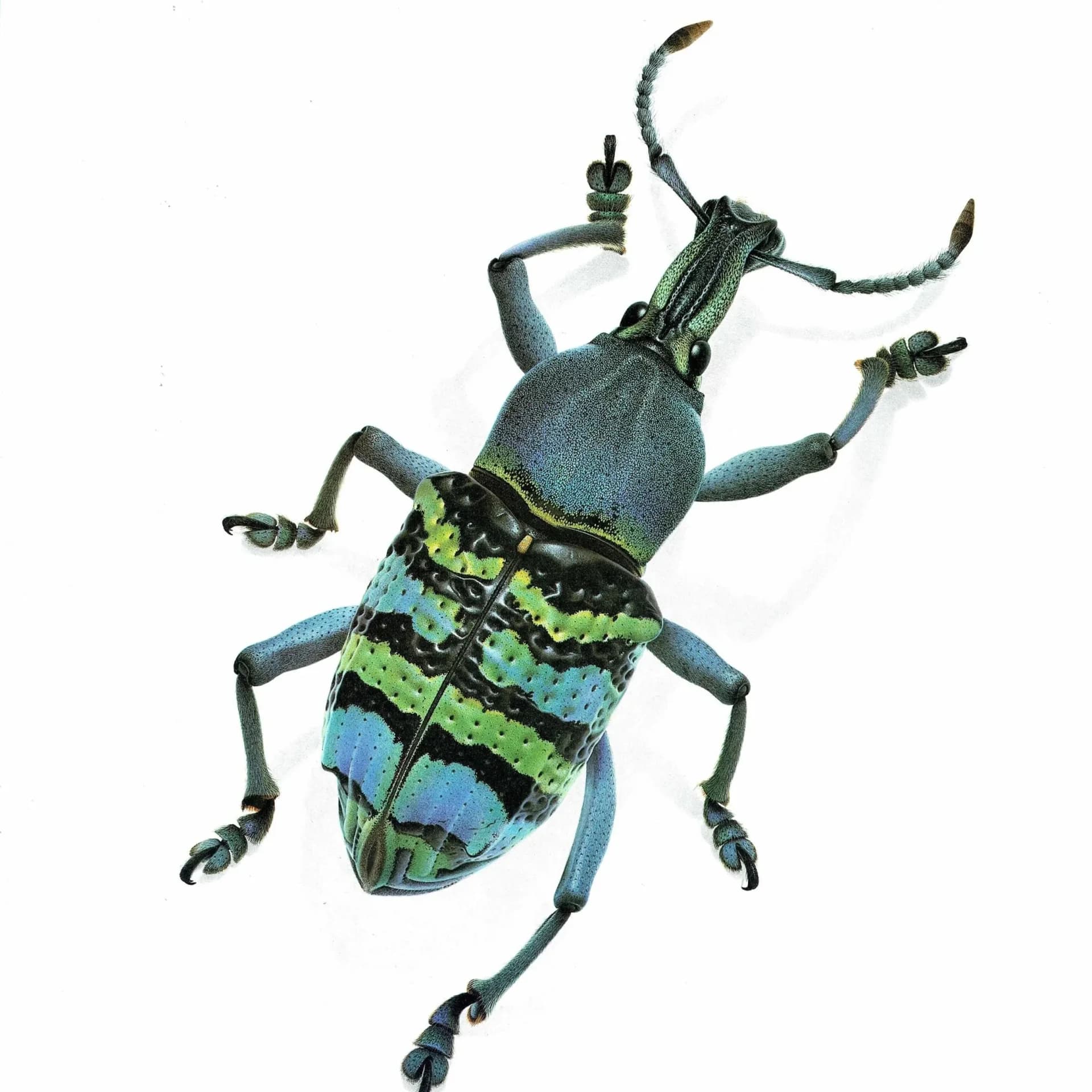
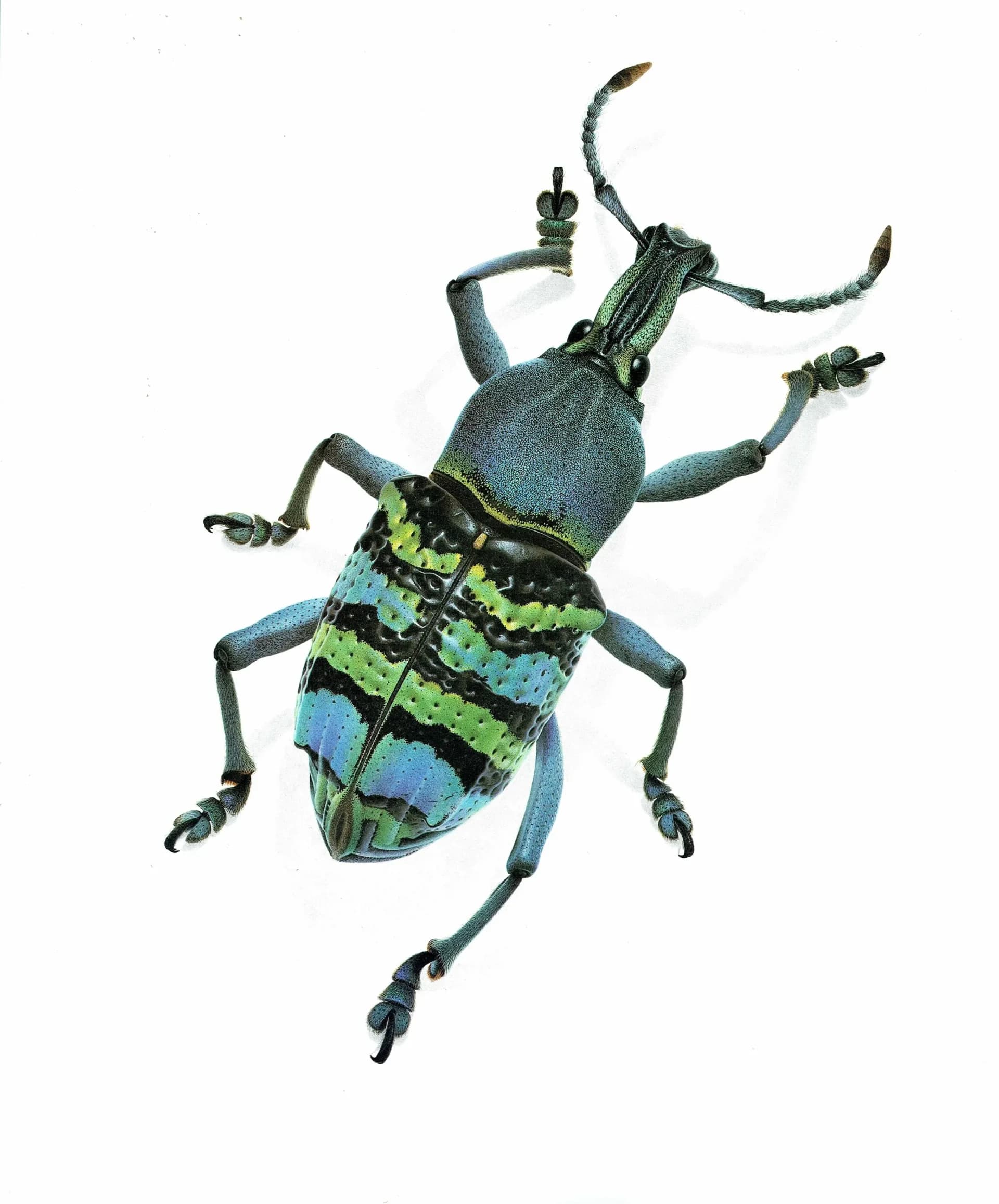
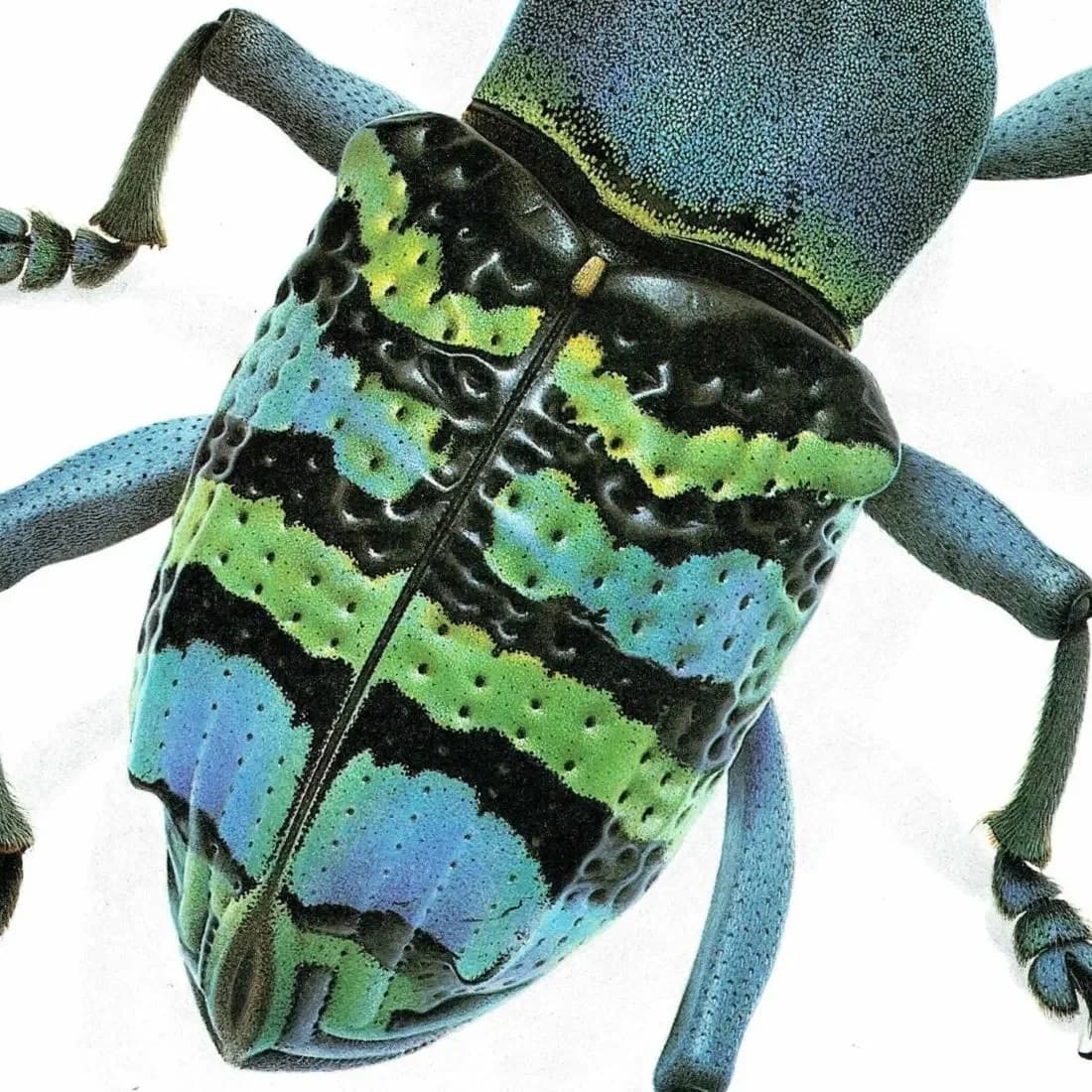
1986 Magnificent Weevil Eupholus Magnificus Print - Durin Bernard Les Insectes Science Illustration - Kirch Entomology - 11 x 13 in
This is a gorgeous high quality vintage print with vivid colours taken from a disbound copy of Les Insectes by Bernard Durin. The dimensions are 11 x 13 inches.
Visit https://www.etsy.com/uk/shop/ForestHillArtsHouse?section_id=53836226 for more Insects prints.
The print shows an insect which belongs to the family of weevils or Curculionidae, which are widespread throughout the world. There are an estimated 40,000 to 50,000 species; some entomologists even estimate that there could be up to 60,000 species. Weevils thus represent the largest family of beetles. This is why this family is one of the most difficult to classify in systematics, because, given the number of species, it is not easy to distinguish them from one another.
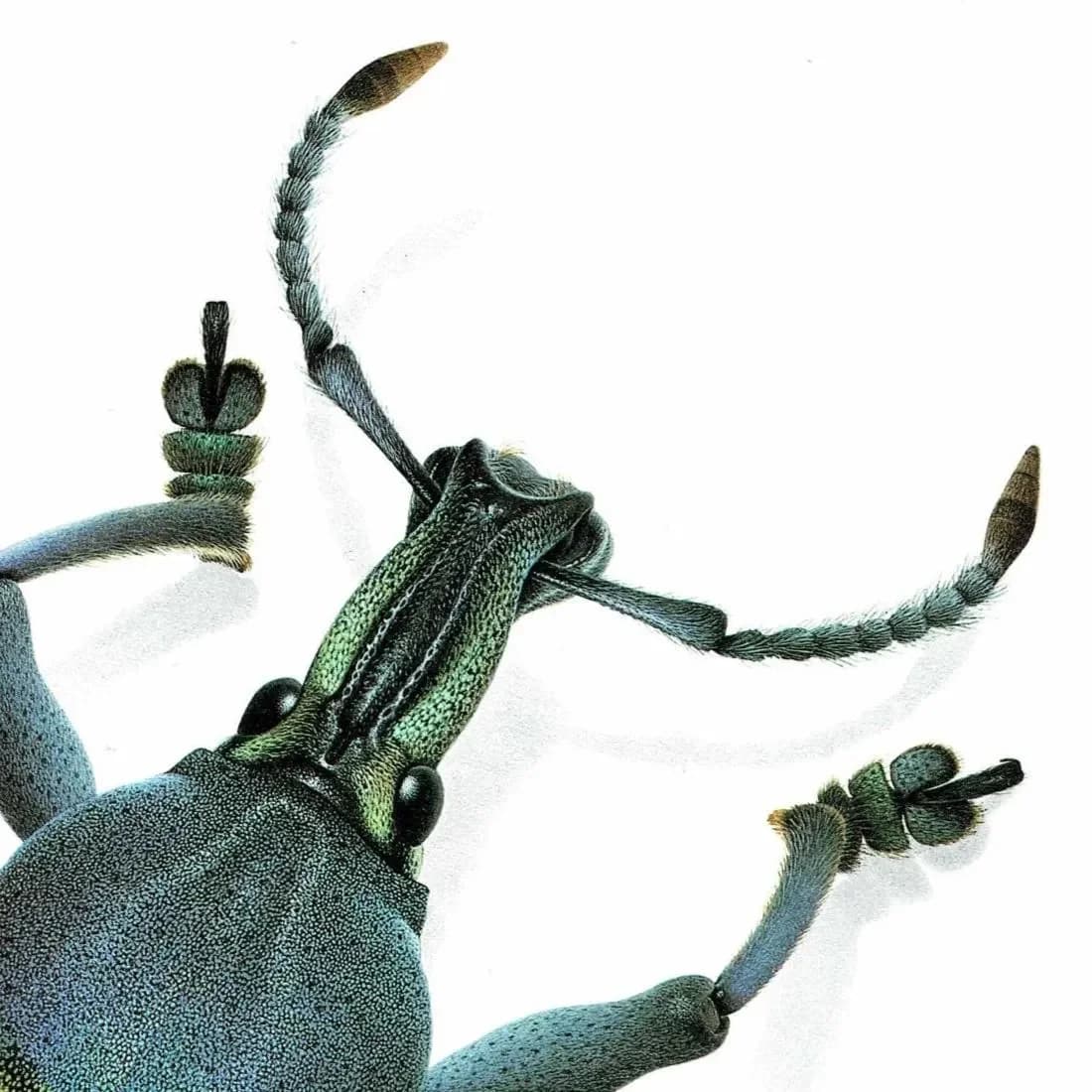
The elongated head bears a more or less long snout at the end of which the chewing mouthparts are located—this characterizes the family well. In extreme cases, the length of the snout may equal that of the entire body; in this case, the snout is very thin. It can also be short and robust, like the one represented here, which the Eupholus magnificus from New Guinea possesses.
The first two antennal segments are swollen and form a club with the third, which is thin. The Curculionidae have an extremely hard chitinous shell.
The great diversity of forms and the large number of species are certainly due to the existence of the snout. Using it, the female digs a hole in which she deposits her eggs. The legless larvae then develop inside the plant. This is how the Curculionidae conquered the entire plant kingdom, and the different species gradually specialized: some attack roots, stems, or leaves, others flowers or fruits.
The generally small size of these beetles results from the narrowness of their environment. In the tropics, however, there is a giant—the palm weevil, 7 cm long, whose larva finds room to grow in the pith of palm trees.
In our northern regions, there are wonderful species of Curculionidae, red, white, green or yellow-green, which despite their modest appearance have relatively small size. In the tropics, their beauty is indescribable. Adorned with rainbow colors, the Eupholus magnificus, as its name suggests, is one of the most beautiful species. It reaches a length of 2.2 cm.
Eupholus magnificus was discovered by Kirsch in 1877. The full scientific name is Eupholus magnificus Kirsch, 1877, according to GBIF. Theodor Franz Wilhelm Kirsch (29 September 1818, Düben, Torgau - 8 July 1889, Dresden) was a German entomologist who specialised in Coleoptera.
Kirsch was curator of entomology at the Staatliches Museum für Tierkunde Dresden in Dresden.
**Background**
The artist Bernard Durin was an artist and illustrator transforming the tiniest creatures into works of art. Born in France in 1940, "Beetles and Other Insects," was published in 1980. It is considered a masterpiece. Durin has captured the intricate patterns, textures, and colours of his subjects with stunning accuracy. He made around 60 portraits of insects, using rare and fascinating specimens entrusted to him by the entomologists of the Museum of Natural History in Paris. Durin’s work combines scientific precision with artistic beauty. This has made them valuable to entomologists and other scientists. Bernard Durin passed away in 1988. His illustrations continue to be admired for their beauty and precision, and they remain a valuable resource for anyone interested in the natural world.
**About Your Purchase:**
- Your purchase is this ORIGINAL vintage print. No modern reprints, reproductions, or copies.
- Please note: This print is sold unmounted.
**Condition:** Good. Consistent with age. The reverse has text in German with no show-through.
**Returns & Shipping**
- **Returns:** No-questions-asked within 14 days provided in the same condition as dispatched; buyer pays return shipping.
- **Packaging:** All prints are securely packaged in a clear bag with a board-backed envelope, further reinforced with recycled cardboard.
- Dispatched via Royal Mail Tracked 24/48 (and Royal Mail Tracked International) with:
- UK delivery within 1-3 days
- US/EU delivery within 5-12 days
- Rest-of-world delivery within 7-21 days
Product Details
About This Print
This original insects print dates from the Late 20th Century (1980s). Vintage prints capture the aesthetic sensibilities of their era with distinctive artistic styles.
Each print from Forest Hill Arts House is carefully inspected for condition and authenticity. We provide detailed provenance information and ship with protective packaging to ensure your print arrives in excellent condition.
Related Topics
entomology printscience artinsect illustrationmuseum specimenEupholus magnificusMagnificent WeevilKirchEntomology
Need a Custom Mount for Your Print?
We offer precision machine-cut picture mounts to your exact specifications. Choose from conservation-grade or standard mount board options.
Order Custom MountsRelated Products
You might also be interested in these prints
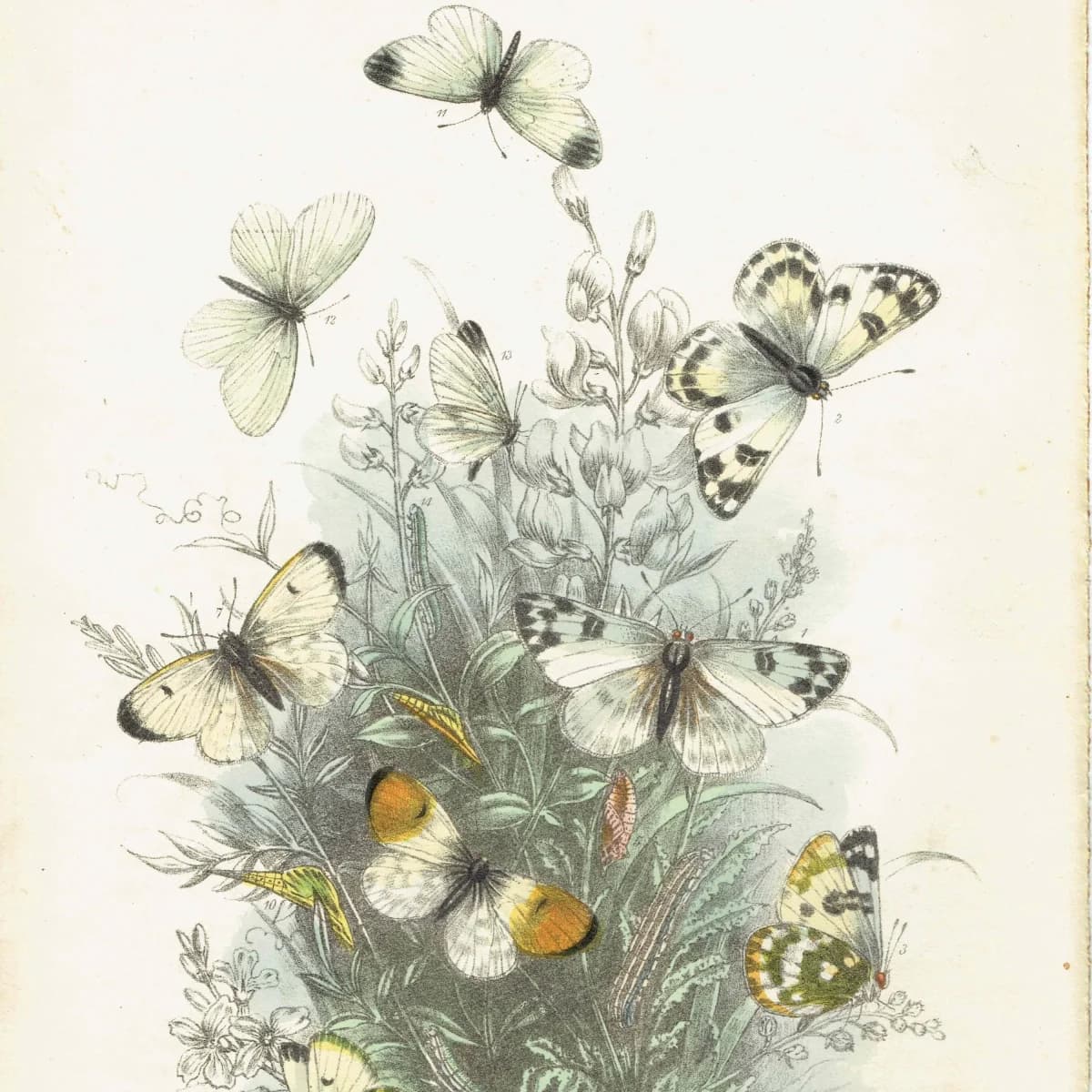
1859 Orange-tip & Wood White Butterfly - Original Antique Print By Humphreys - British Lepidoptera Chromolithograph Life Cycle - 7 x 10.4 in
7 x 10.4 in
19th Century
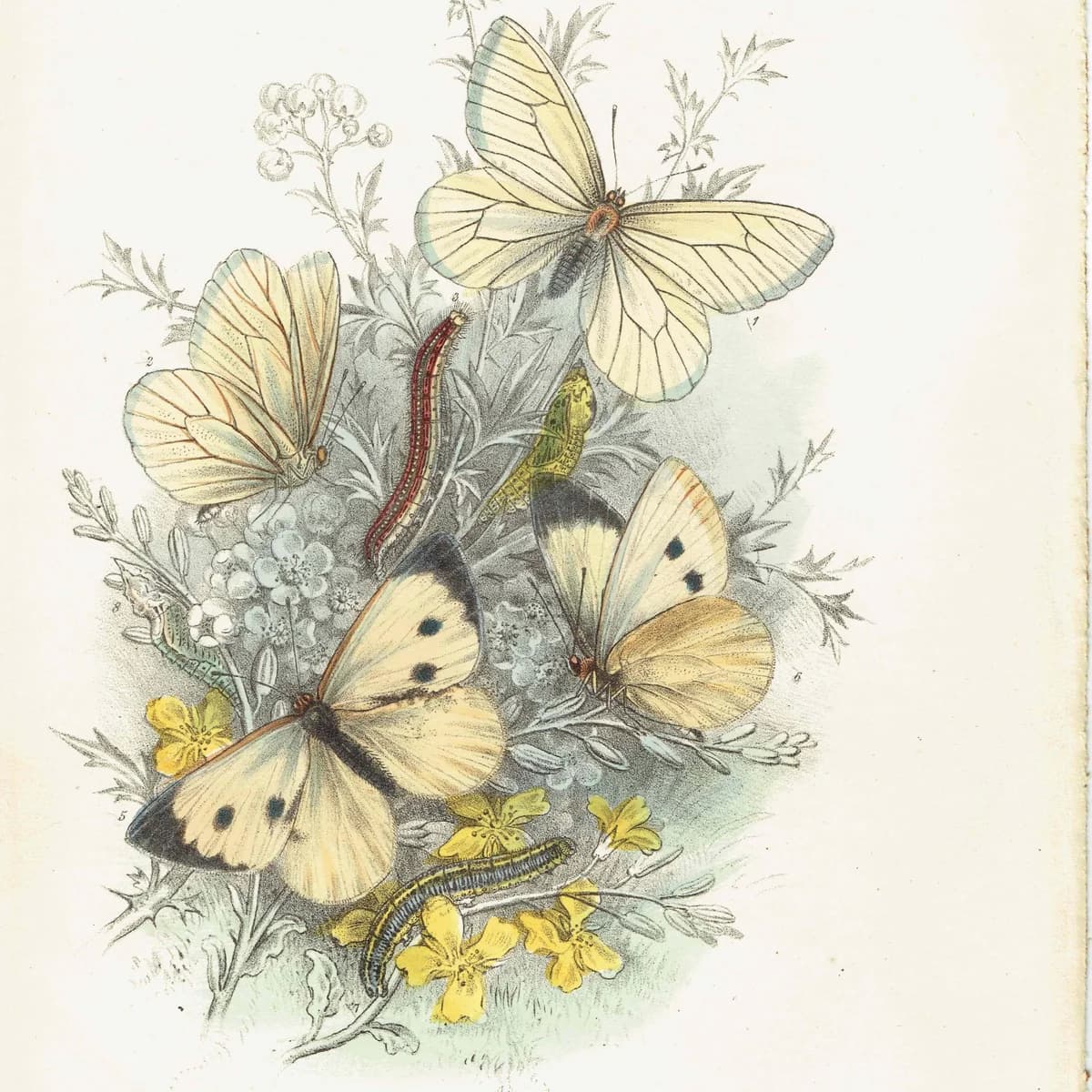
1859 Black-veined White & Great Cabbage White Butterflies - Hand-Coloured Lithograph, Henry Noel Humphreys, Plate III - 7 x 10.4 in
7 x 10.4 in
19th Century
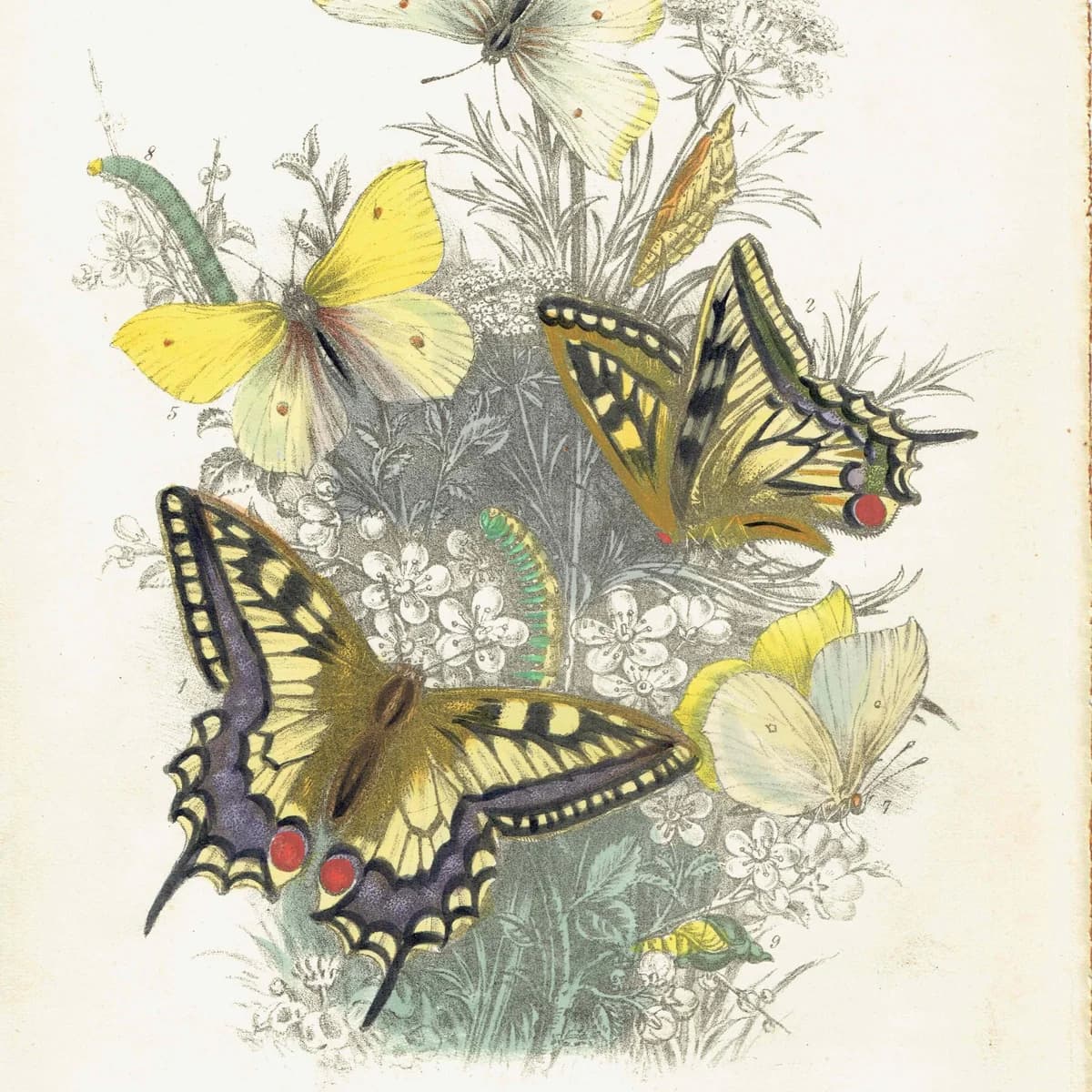
1859 Swallowtail & Brimstone Butterflies - Hand-Coloured Lithograph by Henry Noel Humphreys, Plate I - 7 x 10.4 in
7 x 10.4 in
19th Century
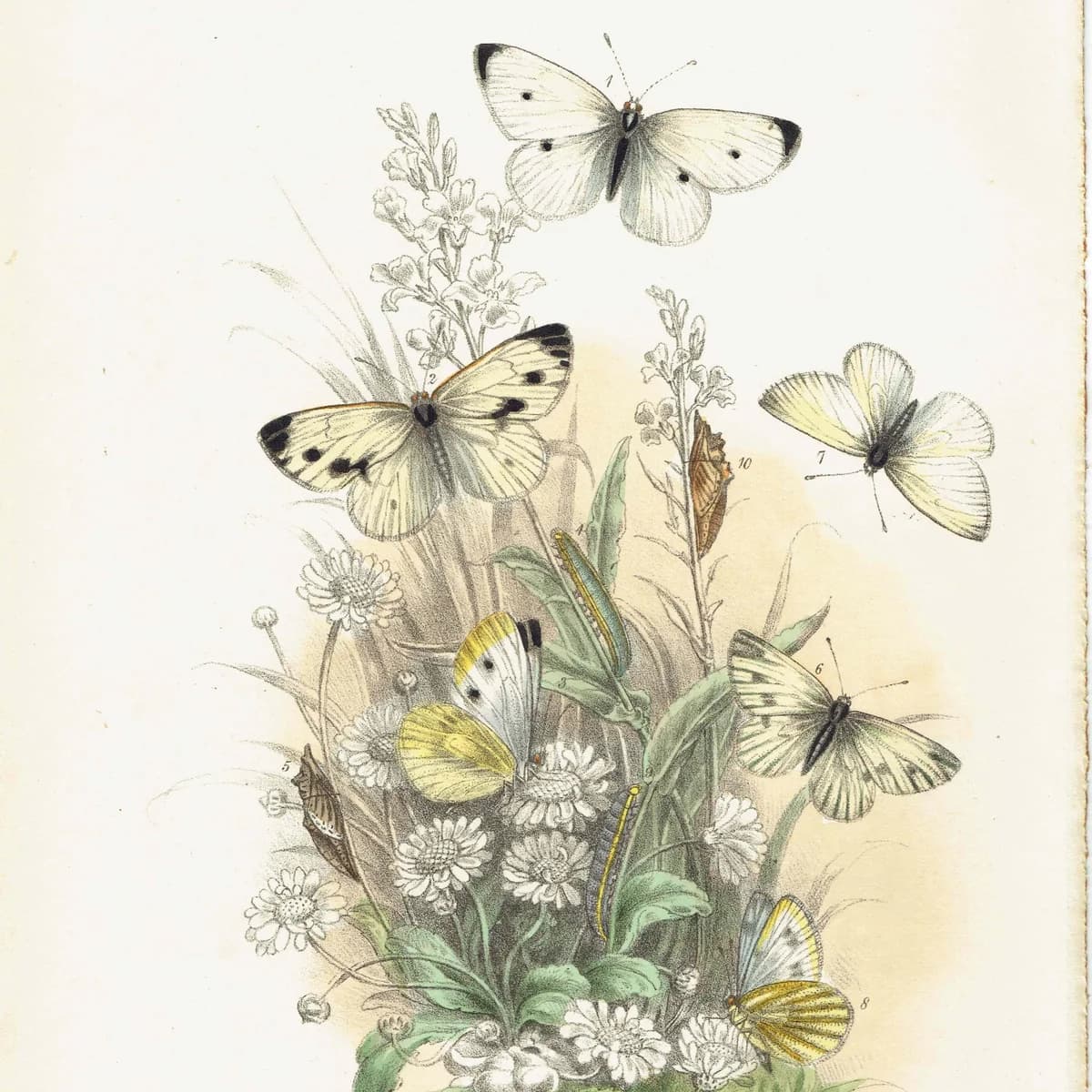
1859 Small Cabbage White & Green-veined White Butterflies - Hand-Coloured Lithograph, Henry Noel Humphreys, Plate IV - 7 x 10.4 in
7 x 10.4 in
19th Century
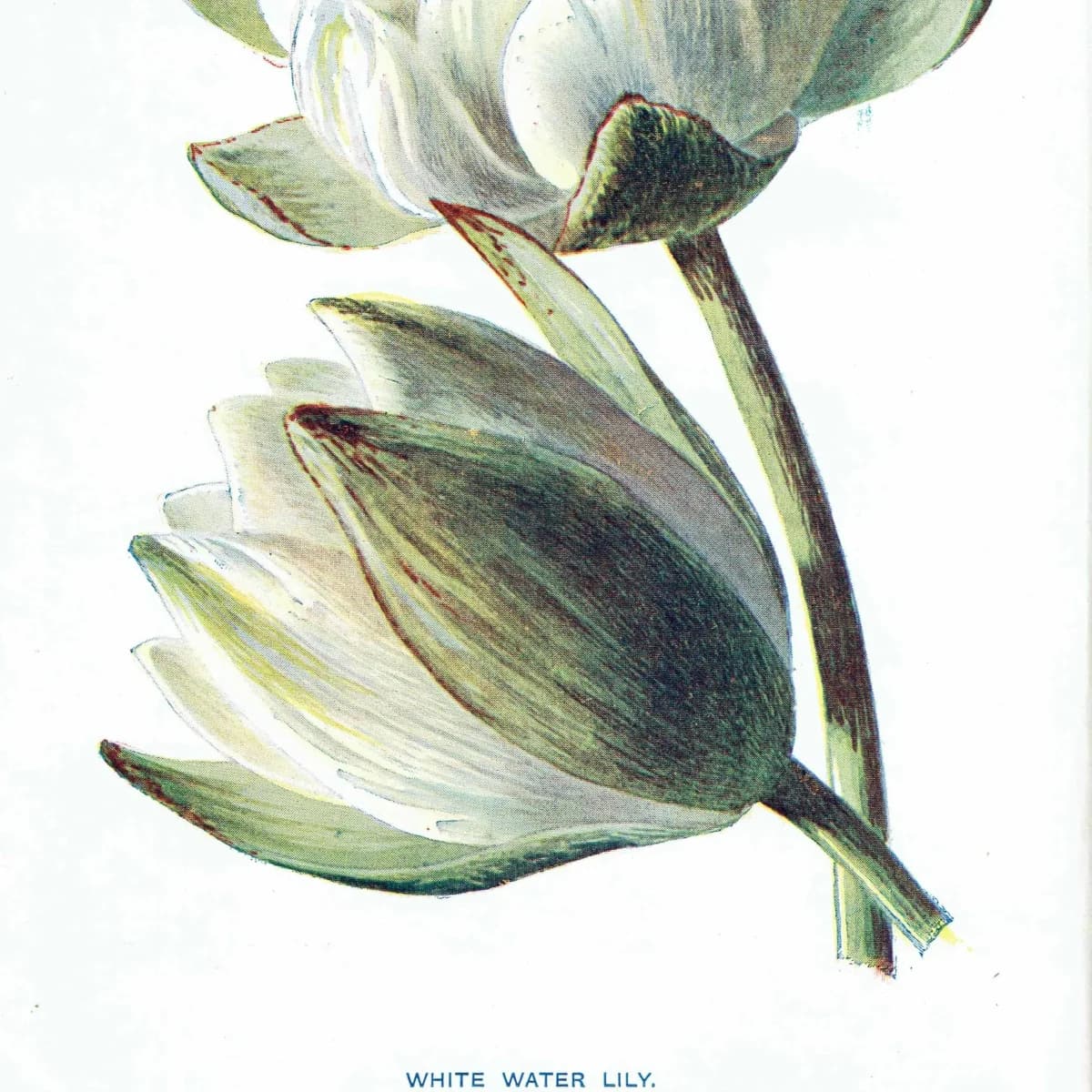
Antique White Water Lily Print – 1910s Hulme Botanical Illustration
Early 20th Century
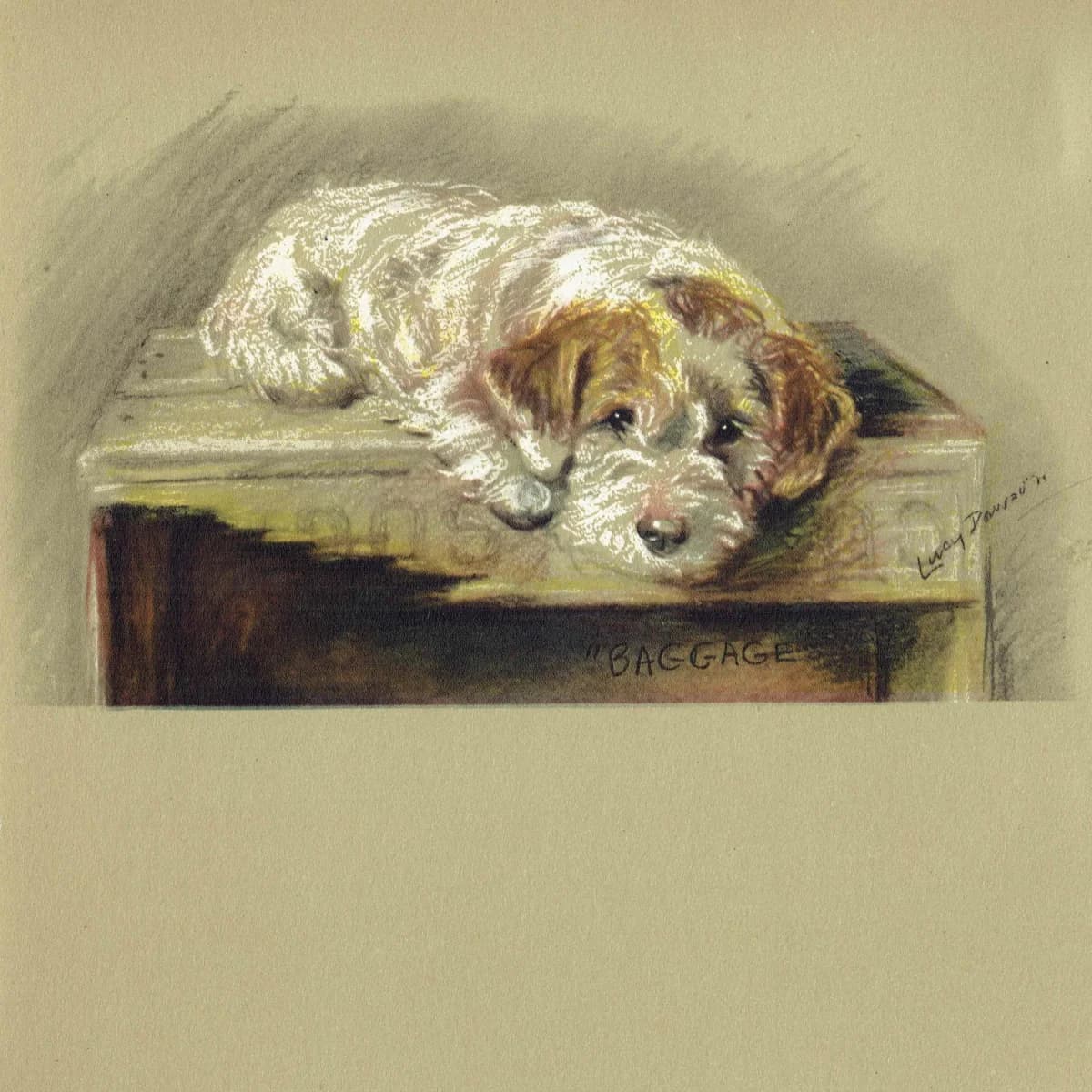
1946 Wire Fox Terrier 'Baggage' - Original Vintage Print By Dawson - Dog Portrait Pet Art Neighbours Lucy - 7 x 9.5 in
7 x 9.5 in
Mid 20th Century