

1 of 6
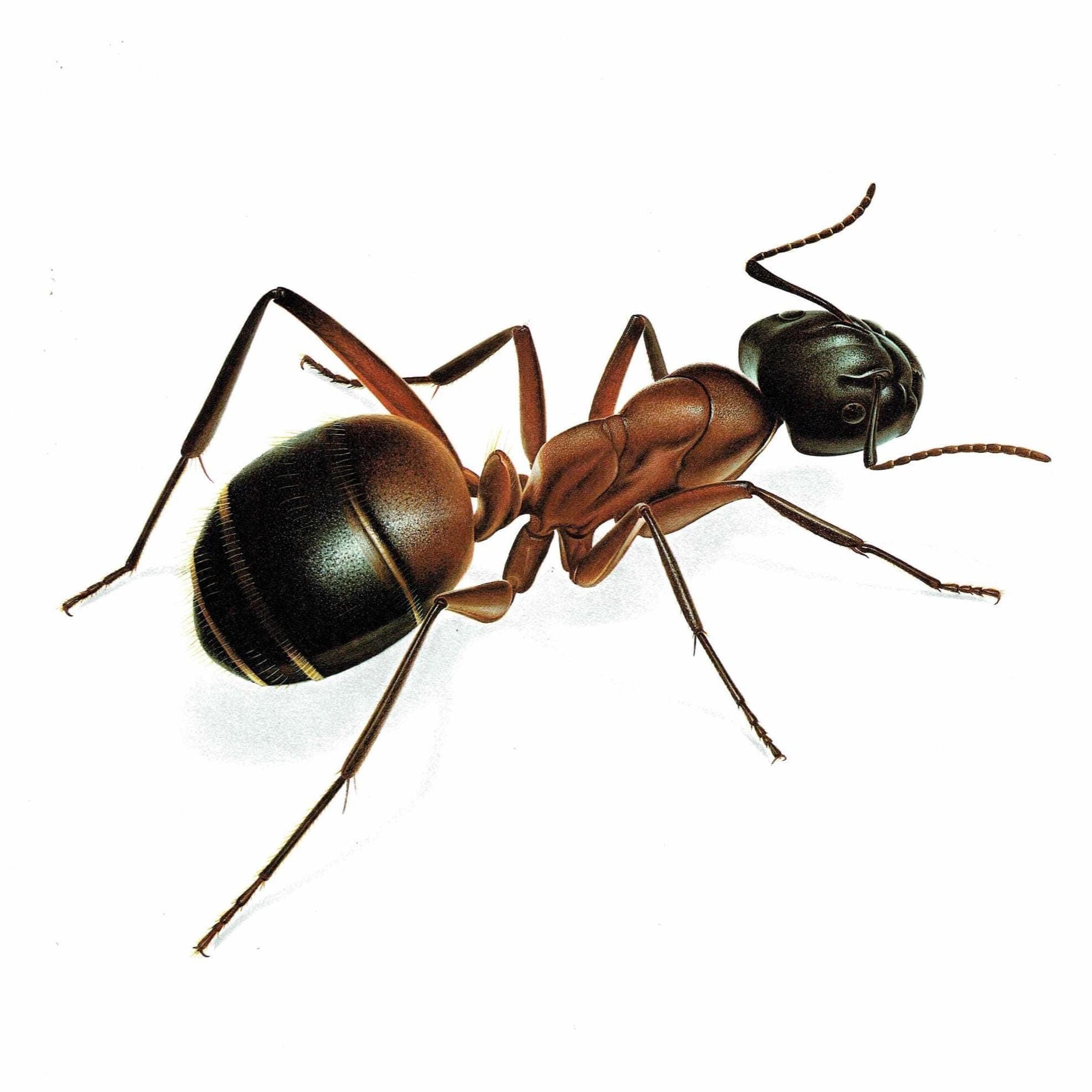
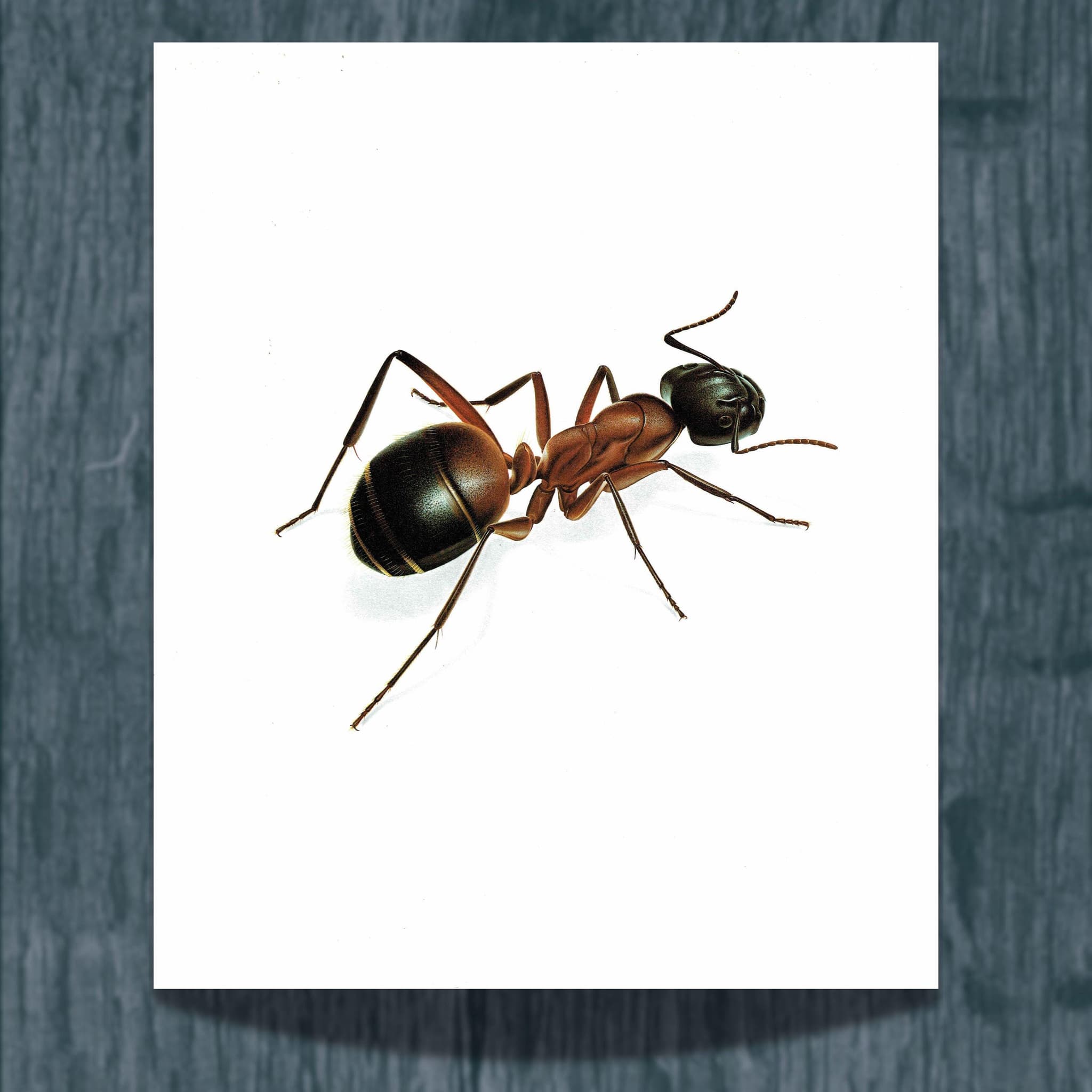
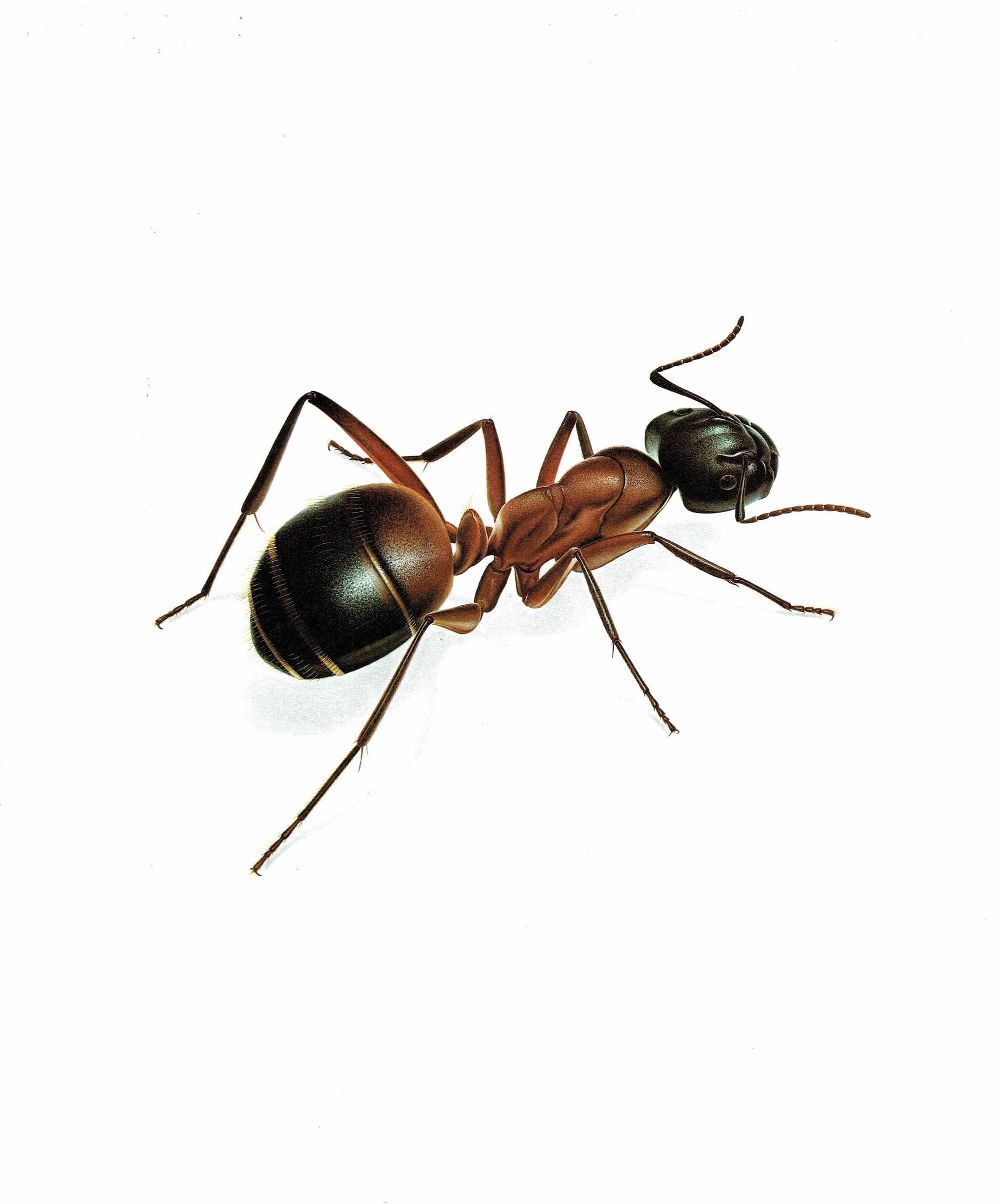
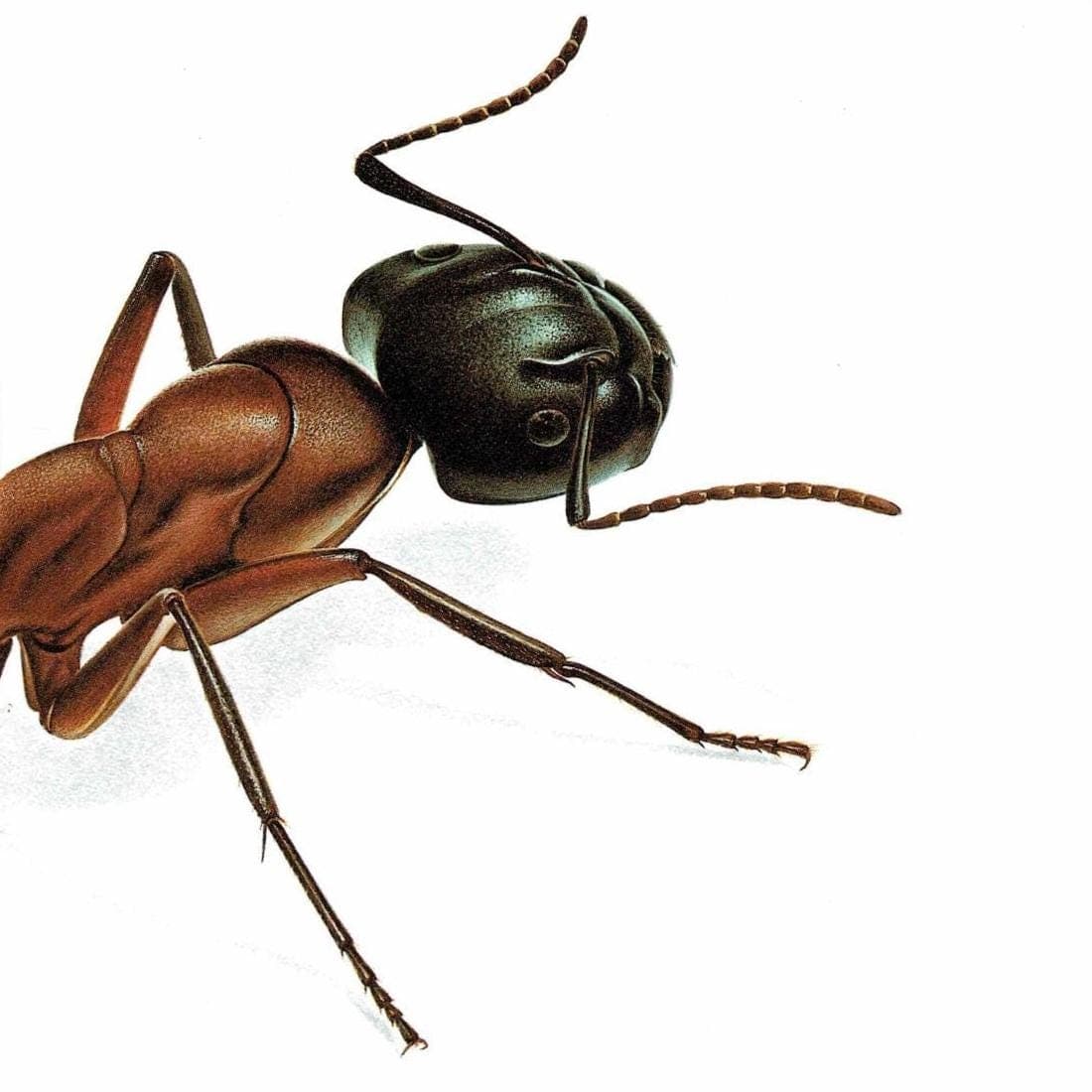
1986 Red Ant Formica Rufa Print - Durin Bernard Les Insectes - Vintage Scientific Illustration - Linnaeus Entomology - 11 x 13 in
This is a gorgeous high quality vintage print with vivid colours taken from a disbound copy of Les Insectes by Bernard Durin. The dimensions are 11 x 13 inches.
Visit https://www.etsy.com/uk/shop/ForestHillArtsHouse?section_id=53836226 for more Insects prints.
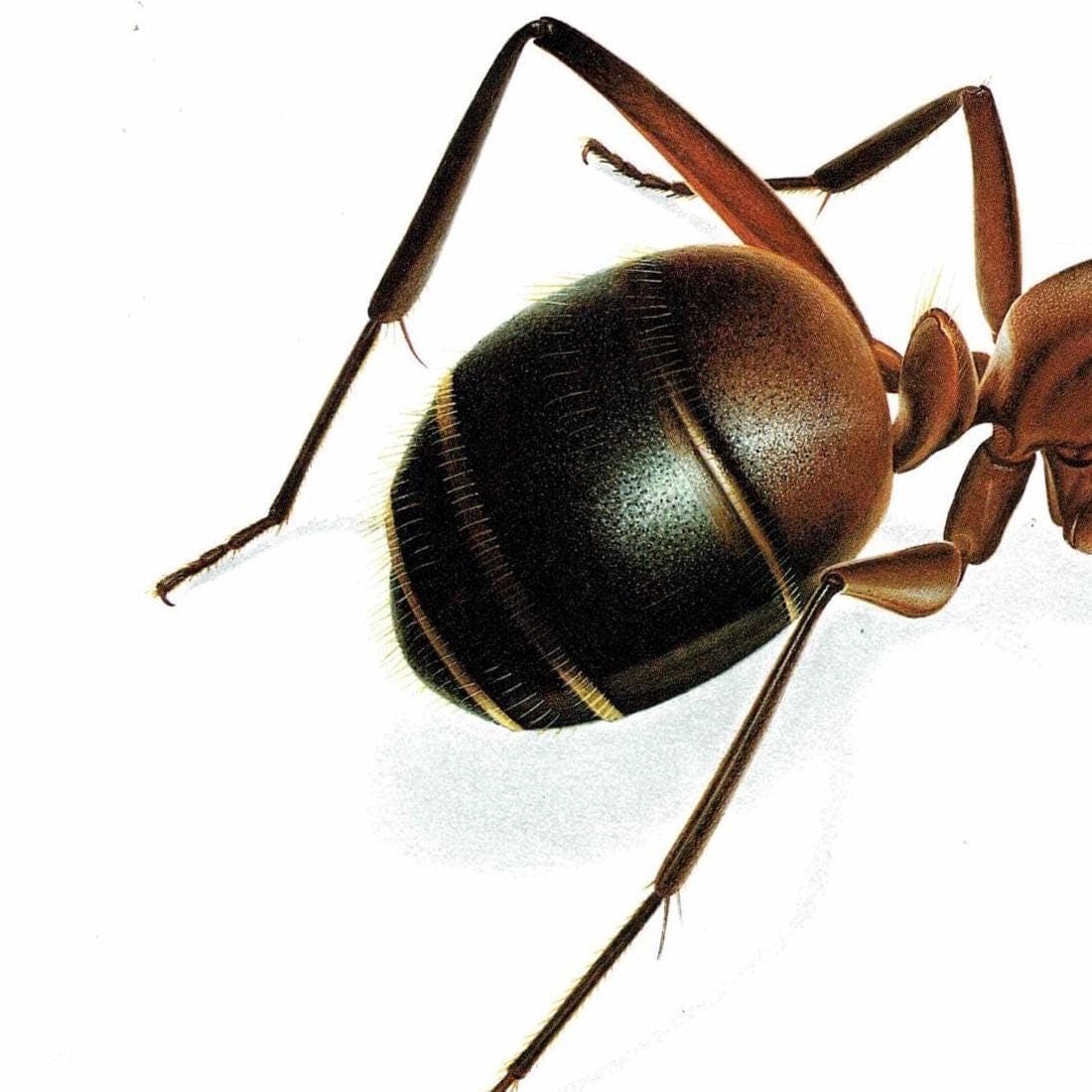
This print shows an insect which belongs, along with bees and wasps, to the Hymenoptera order. The two pairs of wings, which characterize this insect order, are missing in the ant shown here, as it is a worker ant measuring 4 to 9 mm. The queen, on the other hand, has wings and a thorax that is more robust, as wings require more powerful muscles.
The worker ants are females whose reproductive organs are degenerated. Winged males have larger eyes and are more slender than queens and workers. The waist, or pedicel, which connects the thorax to the abdomen, also shows the relationship that exists between ants, wasps, and bees. Antennae, flexible and very sensitive—especially to smell—are of critical importance and help orient the ant.
The red ant’s nest is often placed at the base of a tree stump; it can reach a height of 2 meters, a diameter of 5 meters, and extend deeply underground. The materials used for its construction are mostly pine needles, twigs, and other debris. Inside are galleries, chambers, and storage rooms for food and larvae. The height of the nest and the angle of its sides depend on the amount of solar energy it can capture. In sunny forests, the mound is low and flat; in darker forests, it can be higher.
A single colony may shelter 200,000 to 400,000 individuals. It is known that a colony can capture up to 50,000 sawfly larvae in a single day. Ants are therefore incredibly useful.
Fertilized eggs produce females; unfertilized eggs produce males. Only once or twice a year are both males and females born, and they take flight during the nuptial flight, during which the females are fertilized by several males. The fertilized female receives enough sperm to last her entire life, about 15 to 20 years. The males die shortly after mating. The female, once on the ground, tears off her wings: she is then ready to found a new colony.
However, the red ant, unlike other ants, cannot create a colony on her own. This is why she enters the nest of another ant, most often that of Serviformica fusca (“servus” meaning servant), kills its queen, and takes her place to be served by the workers. She then becomes their queen. The fusca colony, without its queen, slowly dies off, and the red ant colony takes over. This is how a red ant colony is gradually established.
Red ants defend their nest against intruders with their powerful mandibles and venom gland. Although ants belong to the same order as wasps, they do not have a stinger. Instead, they bite with strong jaws and, by curling their abdomen, spray venom into the wound.
**Background**
The artist Bernard Durin was an artist and illustrator transforming the tiniest creatures into works of art. Born in France in 1940, "Beetles and Other Insects," was published in 1980. It is considered a masterpiece. Durin has captured the intricate patterns, textures, and colours of his subjects with stunning accuracy. He made around 60 portraits of insects, using rare and fascinating specimens entrusted to him by the entomologists of the Museum of Natural History in Paris. Durin’s work combines scientific precision with artistic beauty. This has made them valuable to entomologists and other scientists. Bernard Durin passed away in 1988. His illustrations continue to be admired for their beauty and precision, and they remain a valuable resource for anyone interested in the natural world.
**About Your Purchase:**
- Your purchase is this ORIGINAL vintage print. No modern reprints, reproductions, or copies.
- Please note: This print is sold unmounted.
**Condition:** Good. Consistent with age. Reverse shows text in German. There is no show-through.
**Returns & Shipping**
- **Returns:** No-questions-asked within 14 days provided in the same condition as dispatched; buyer pays return shipping.
- **Packaging:** All prints are securely packaged in a clear bag with a board-backed envelope, further reinforced with recycled cardboard.
- Dispatched via Royal Mail Tracked 24/48 (and Royal Mail Tracked International) with:
- UK delivery within 1-3 days
- US/EU delivery within 5-12 days
- Rest-of-world delivery within 7-21 days
Product Details
About This Print
This original insects print dates from the Late 20th Century (1980s). Vintage prints capture the aesthetic sensibilities of their era with distinctive artistic styles.
Each print from Forest Hill Arts House is carefully inspected for condition and authenticity. We provide detailed provenance information and ship with protective packaging to ensure your print arrives in excellent condition.
Related Topics
formica rufa printred ant illustrationant scientific artdurin insect printbernard durin artvintage ant posterinsect wall decorhymenoptera print
Need a Custom Mount for Your Print?
We offer precision machine-cut picture mounts to your exact specifications. Choose from conservation-grade or standard mount board options.
Order Custom MountsRelated Products
You might also be interested in these prints
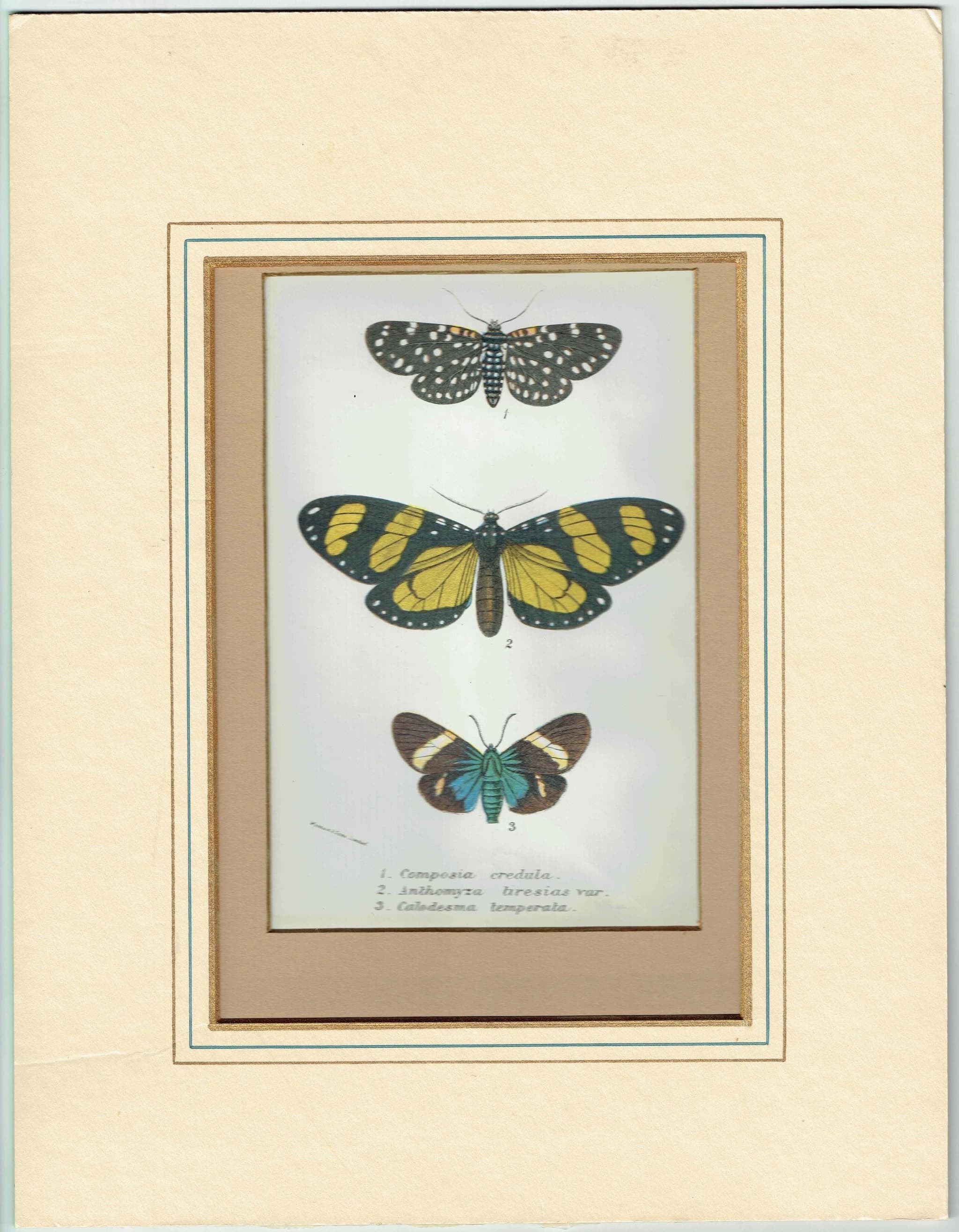
1896 Antique Moth Print - Composia credula, Anthomyza teresias, Calodesma temperata - Moth species - Entomology Wall Art - 7 x 4.5 in
7 x 4.5 in
19th Century

1986 Wasp Orb-Weaver Spider Argiope Bruennichii Print - Durin Bernard Les Insectes Scientific Illustration - Scopoli Entomology - 11 x 13 in
11 x 13 in
Late 20th Century
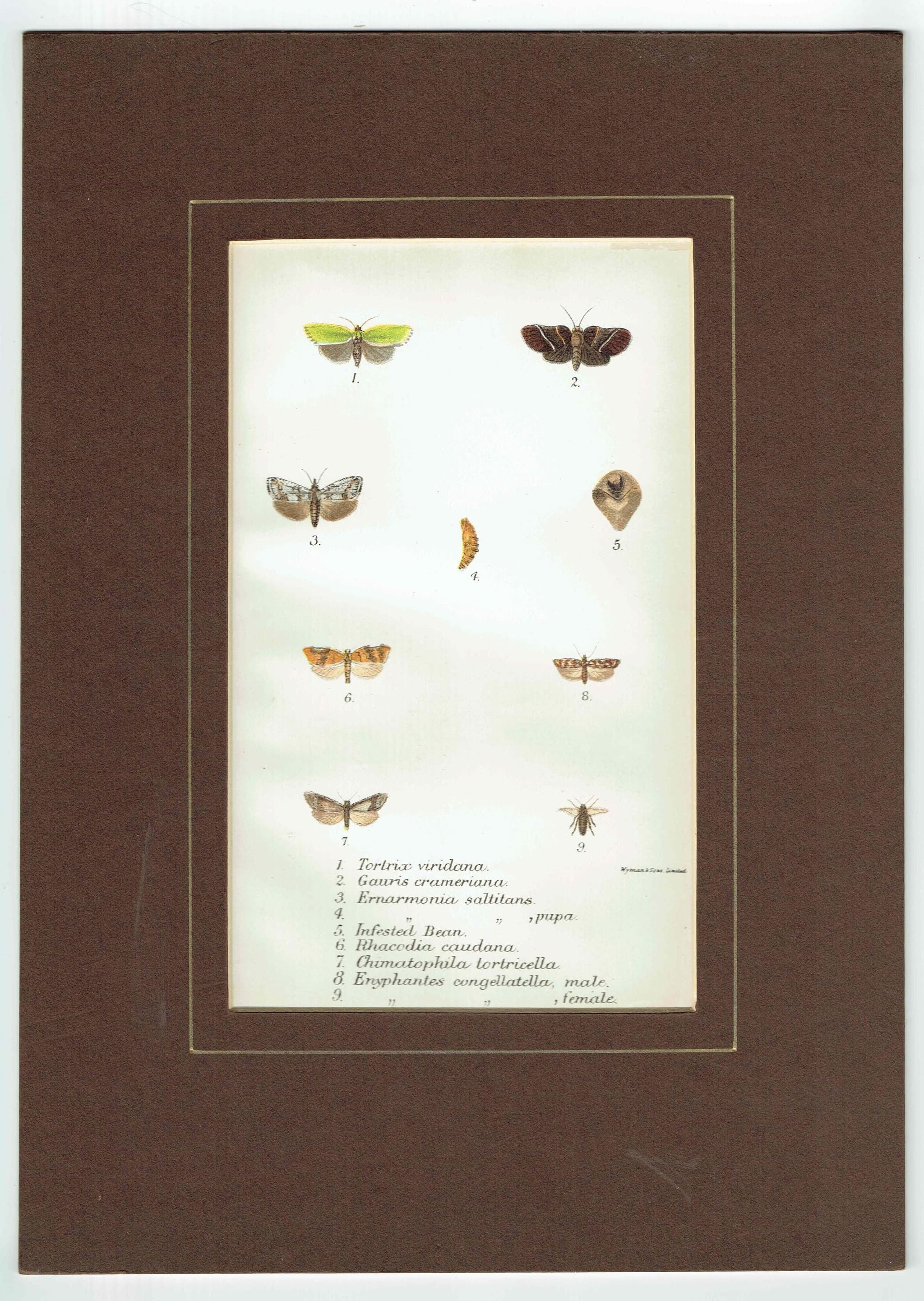
1897 Tortricid Moths Print - Hand-colored Entomology Plate - Tortrix viridana, Gauris crameriana & More - Mount window 4.25 x 7 in
4.25 x 7 in
19th Century
1986 Magnificent Weevil Eupholus Magnificus Print - Durin Bernard Les Insectes Science Illustration - Kirch Entomology - 11 x 13 in
11 x 13 in
Late 20th Century
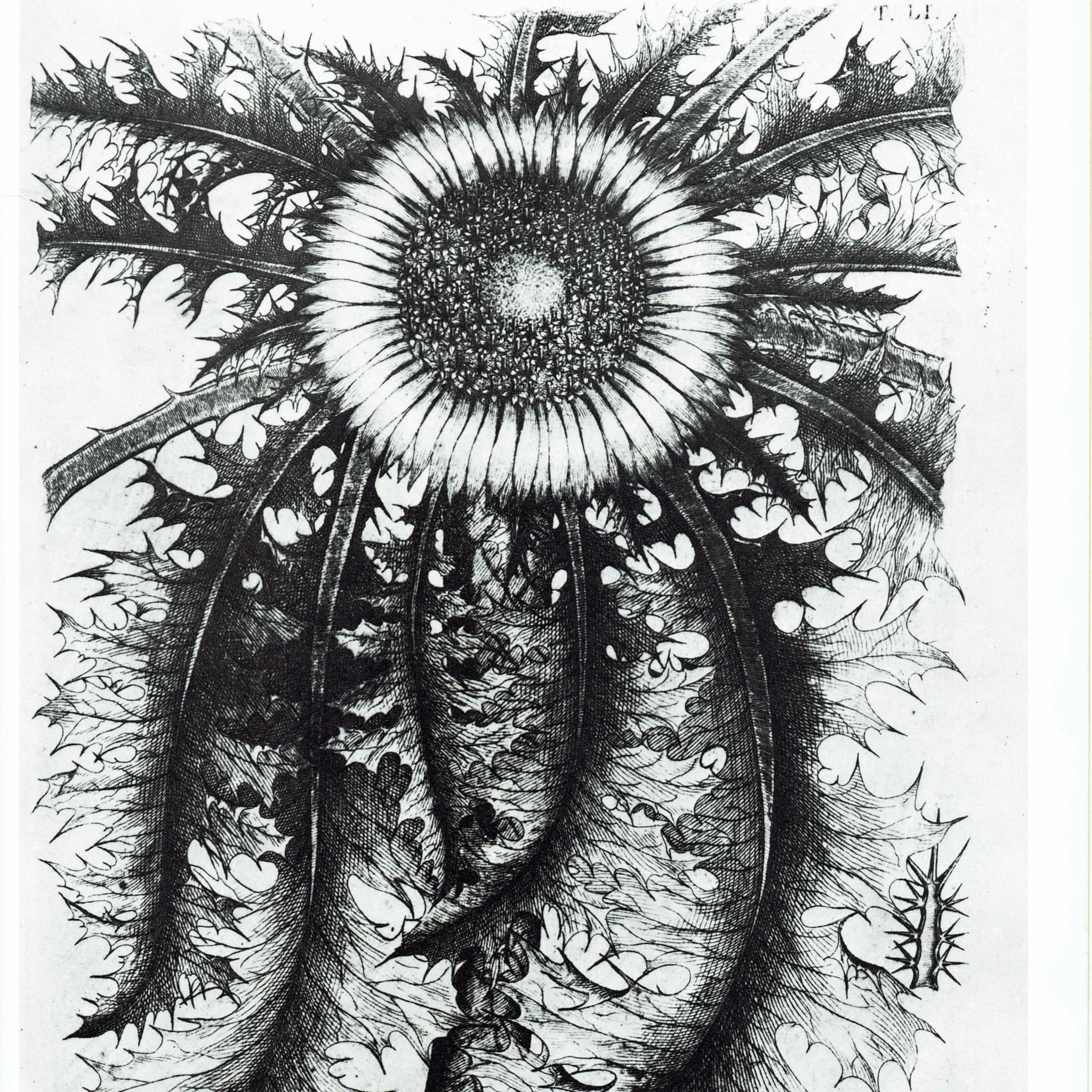
Carline Thistle - Original Vintage Print By Allioni - Flora Pedemontana Plate 51 Botanical Study Flower Art - 10 x 14 in
10 x 14 in
Late 20th Century
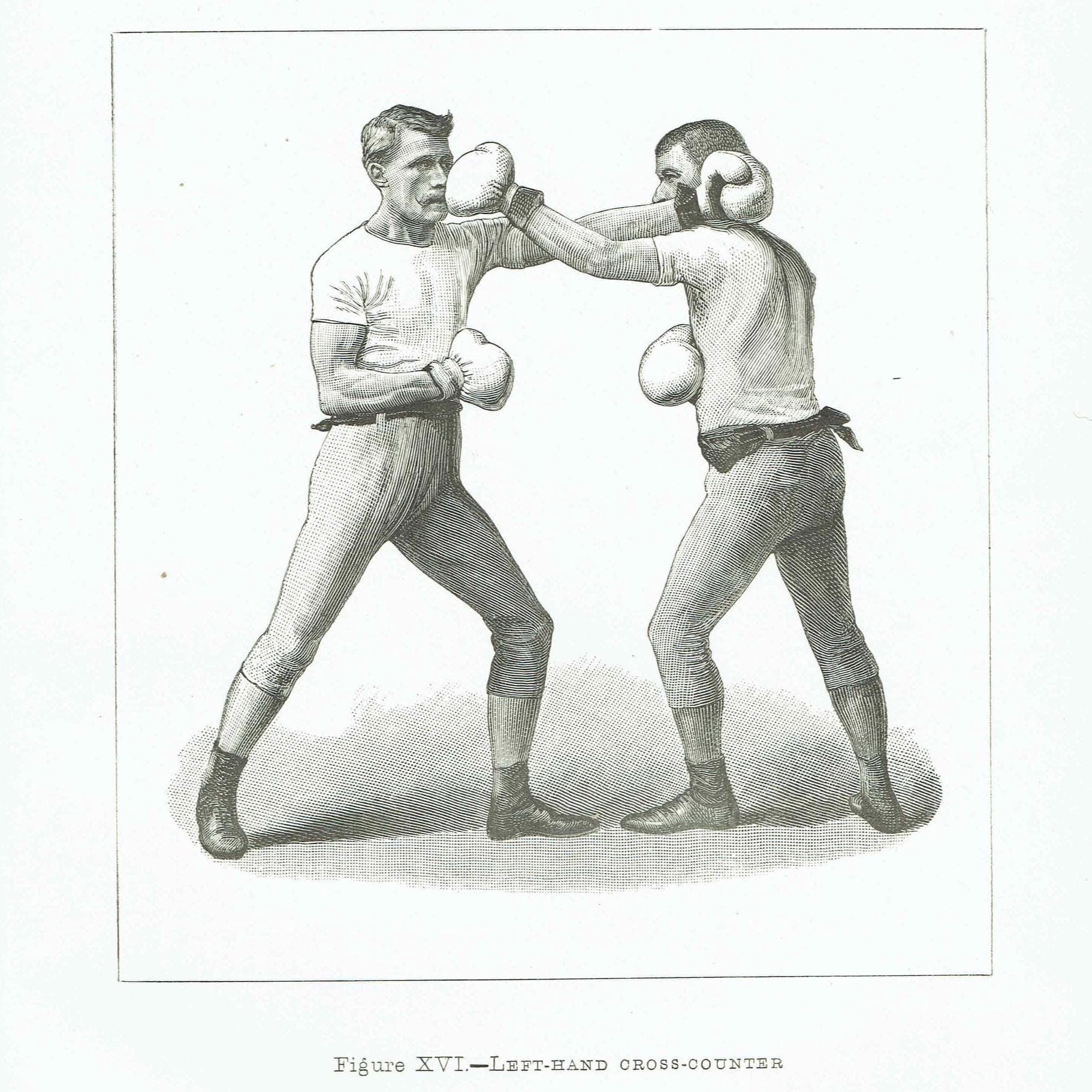
1889 Left-Hand Cross-Counter Boxing - Original Antique Print - Badminton Library Victorian Sports Pugilism Athlete - 5 x 7 in
5 x 7 in
19th Century