

1 of 6
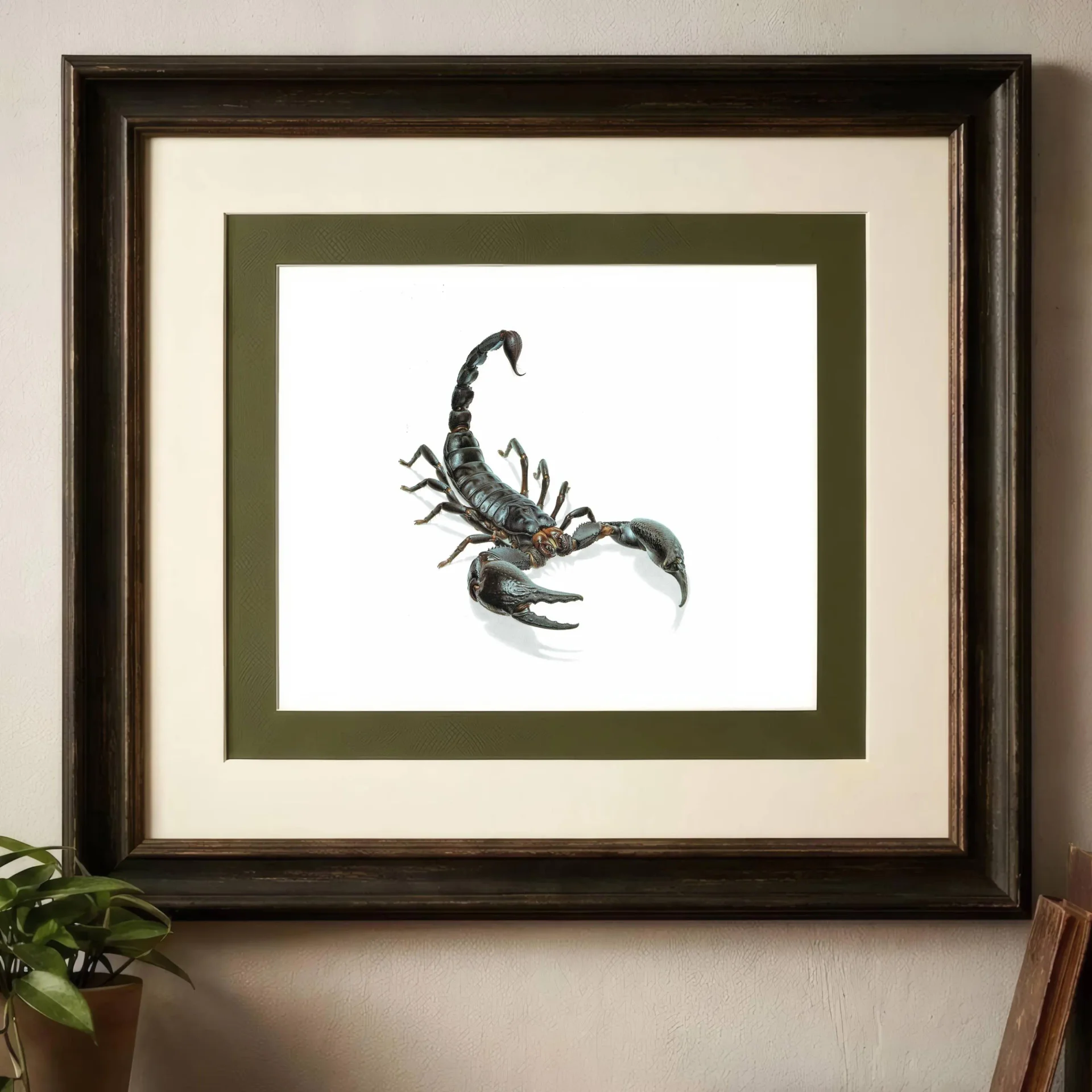
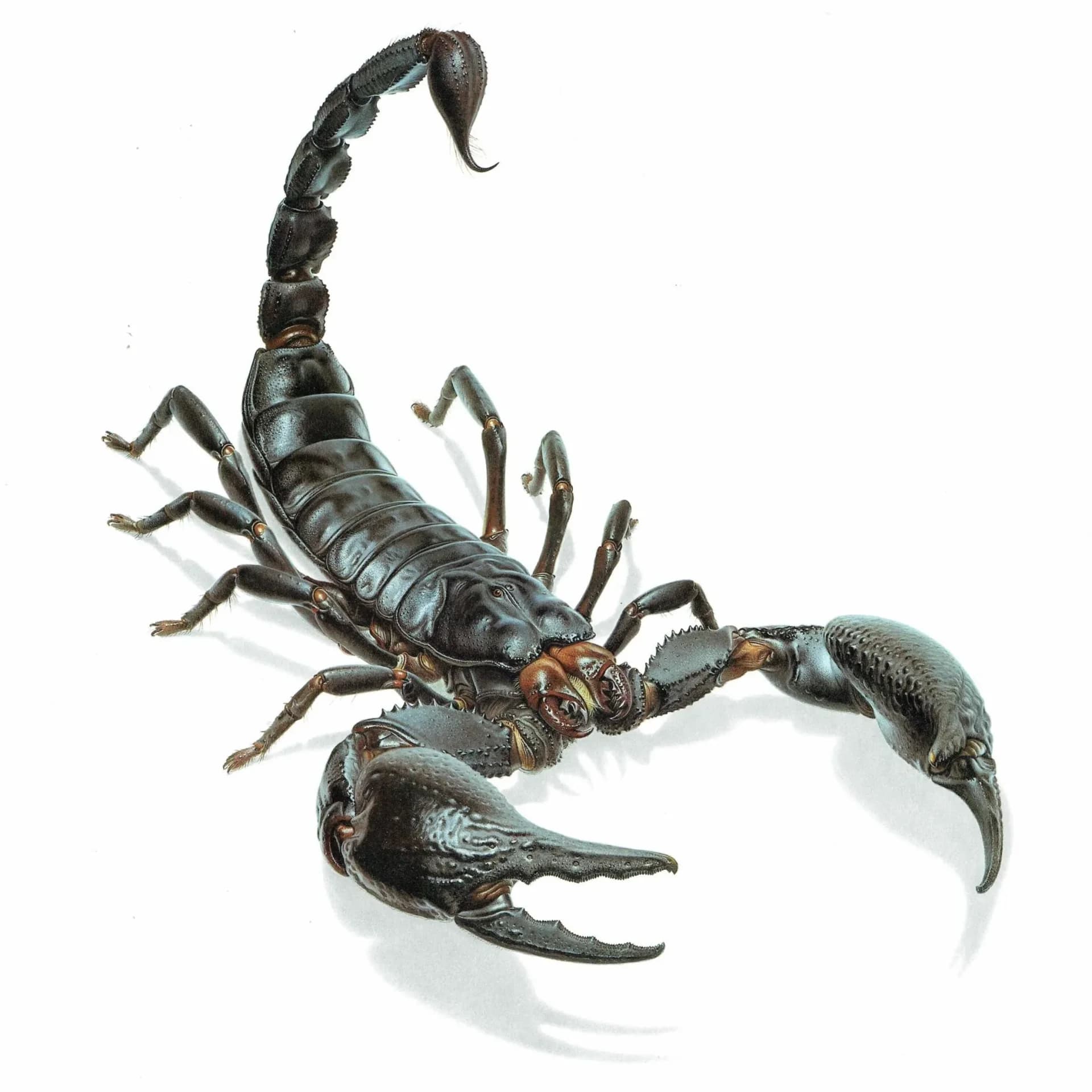
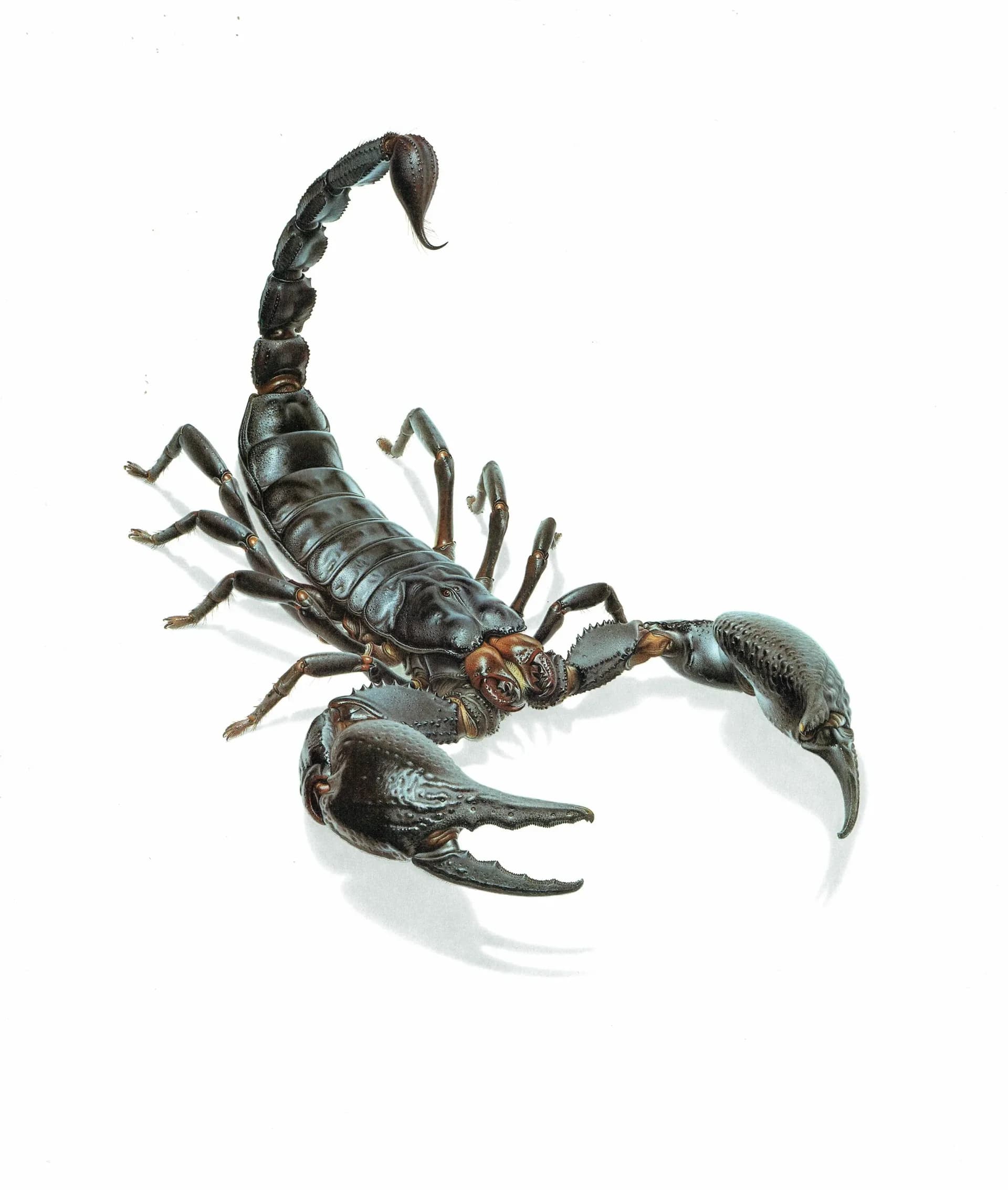
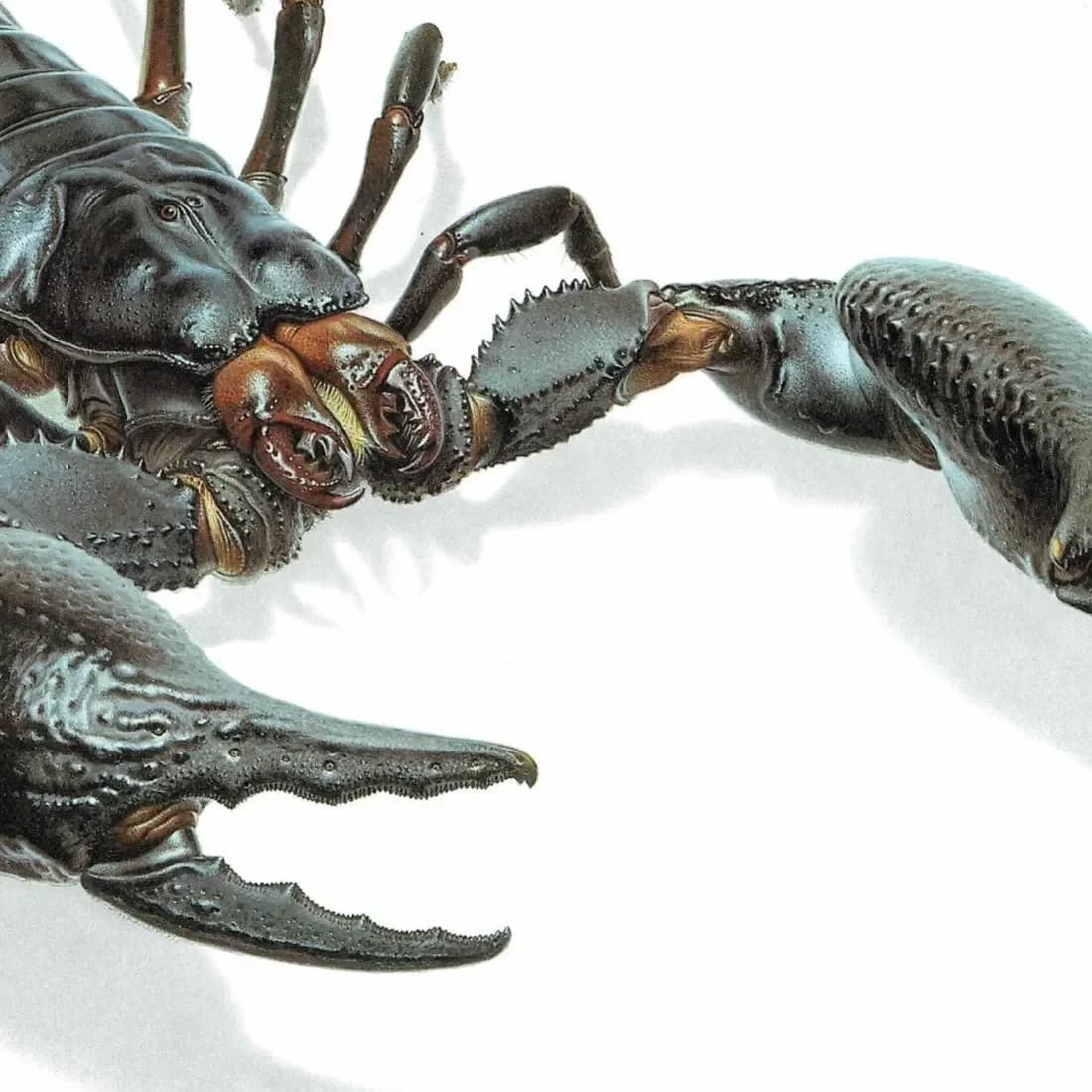
1986 Scorpion Pandinus Imperator Print - Durin Bernard Les Insectes Scientific Illustration - Burmeister C.L. Koch Entomology - 11 x 13 in
This is a gorgeous high quality vintage print with vivid colours taken from a disbound copy of Les Insectes by Bernard Durin. The dimensions are 11 x 13 inches.
Visit https://www.etsy.com/uk/shop/ForestHillArtsHouse?section_id=53836226 for more Insects prints.
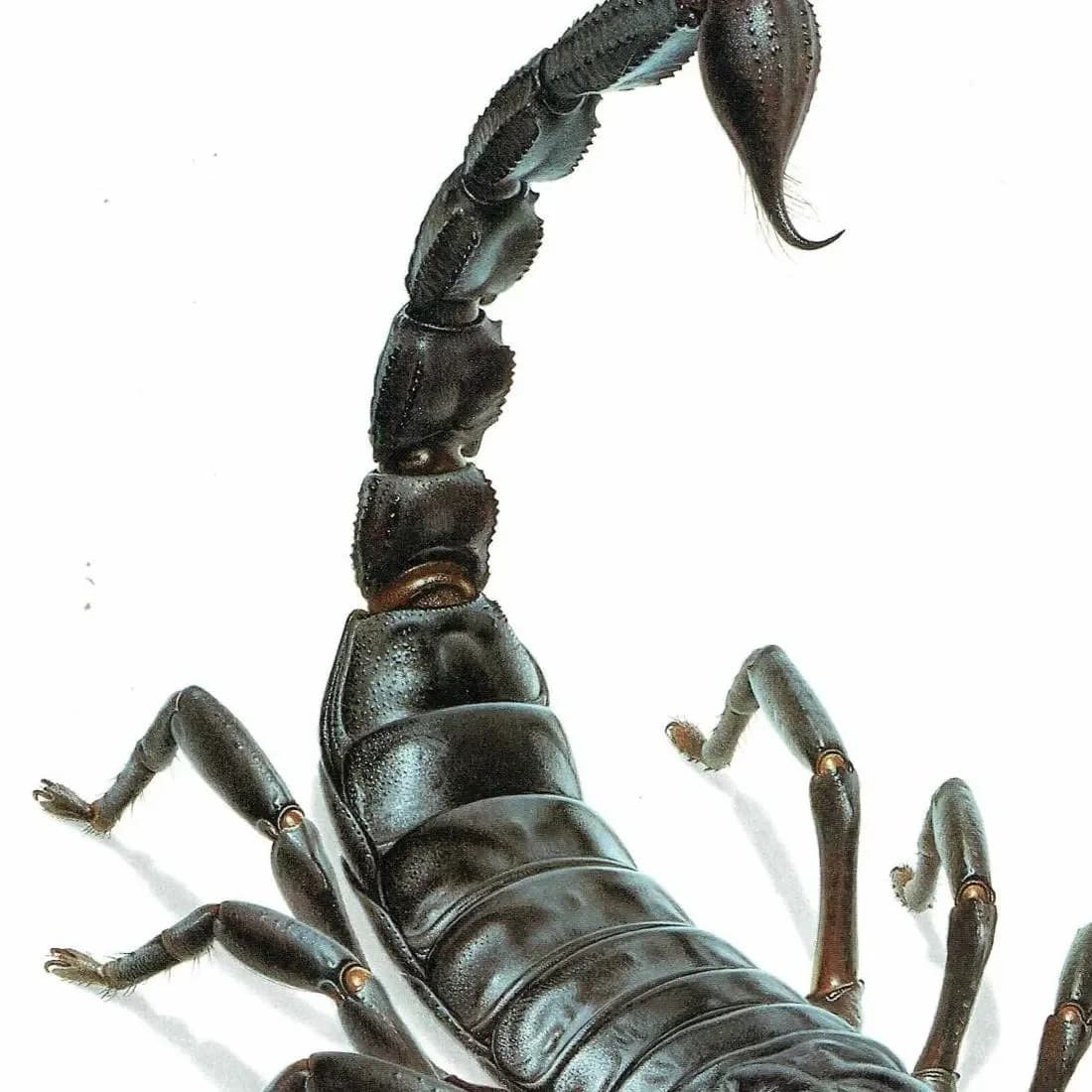
Scorpions, which comprise more than 600 species, are part of the arachnid family. Their body consists of a cephalothorax and an abdomen made up of 13 segments. On top of the cephalothorax are the simple eyes, while underneath are short pincers shaped like claws, the long pedipalps ending in large pincers, and the four pairs of walking legs. The front segments of the abdomen, which are narrow, are covered with plates in front and above the back. The formidable stinger, the scorpion’s weapon, is located at the tip of the tail. This is also where the venom glands end in the sting. Scorpions are animals that like heat. They remain hidden during the day but come out at night to hunt insects and spiders. When it captures its prey, the scorpion first tries to crush it in its pincers. If it fails, it uses its sting. The victim is immediately paralyzed.
Pandinus imperator is widespread in West Africa, particularly in Gabon; one subspecies is known in Sudan. Other species in the Pandinus genus are found throughout tropical Africa and the Arabian Peninsula. The Pandinus imperator, which can reach up to 180 mm in length, is probably the largest scorpion in the world. Its color varies from green to dark brown. The venom of this large scorpion is relatively harmless. The pincers, common to various species of Pandinus, are considered by some to be harmless, especially locally and for a long time. However, there are reports of stings from this scorpion, given its size, and its menacing attitude when disturbed.
The image of Pandinus imperator reinforces, as does that of all scorpions with their venomous sting, this popular fear: the symbolic meaning of the scorpion has not diminished. In the Bible, as in many traditions, the scorpion is a symbol of evil, suffering, and death, just like the serpent which has become the emblem of infernal powers, threatening health and life. In the medieval tarot, it is the sign of Satan, of heresy, and the romance of death. As a constellation, the scorpion appears in the Zodiac, a belt of the sky through which the apparent paths of the sun and planets pass, and was already known in Mesopotamia and ancient Egypt. Among the arts liberales, the seven liberal arts of Roman antiquity, logic, the supreme knowledge that all free spirits strive to acquire (not for profit but for truth, which symbolized the depth of the spirit), had the scorpion as its attribute.
**Background**
The artist Bernard Durin was an artist and illustrator transforming the tiniest creatures into works of art. Born in France in 1940, "Beetles and Other Insects," was published in 1980. It is considered a masterpiece. Durin has captured the intricate patterns, textures, and colours of his subjects with stunning accuracy. He made around 60 portraits of insects, using rare and fascinating specimens entrusted to him by the entomologists of the Museum of Natural History in Paris. Durin’s work combines scientific precision with artistic beauty. This has made them valuable to entomologists and other scientists. Bernard Durin passed away in 1988. His illustrations continue to be admired for their beauty and precision, and they remain a valuable resource for anyone interested in the natural world.
**About Your Purchase:**
- Your purchase is this ORIGINAL vintage print. No modern reprints, reproductions, or copies.
- Please note: This print is sold unmounted.
**Condition:** Good. Consistent with age. The reverse has text in German. There is no show-through.
**Returns & Shipping**
- **Returns:** No-questions-asked within 14 days provided in the same condition as dispatched; buyer pays return shipping.
- **Packaging:** All prints are securely packaged in a clear bag with a board-backed envelope, further reinforced with recycled cardboard.
- Dispatched via Royal Mail Tracked 24/48 (and Royal Mail Tracked International) with:
- UK delivery within 1-3 days
- US/EU delivery within 5-12 days
- Rest-of-world delivery within 7-21 days
Product Details
About This Print
This original insects print dates from the Late 20th Century (1980s). Vintage prints capture the aesthetic sensibilities of their era with distinctive artistic styles.
Each print from Forest Hill Arts House is carefully inspected for condition and authenticity. We provide detailed provenance information and ship with protective packaging to ensure your print arrives in excellent condition.
Related Topics
pandinus imperatoremperor scorpionwest africa insectscorpion wall printarachnid picturebernard durinvintage bug decorentomology lover
Need a Custom Mount for Your Print?
We offer precision machine-cut picture mounts to your exact specifications. Choose from conservation-grade or standard mount board options.
Order Custom MountsRelated Products
You might also be interested in these prints
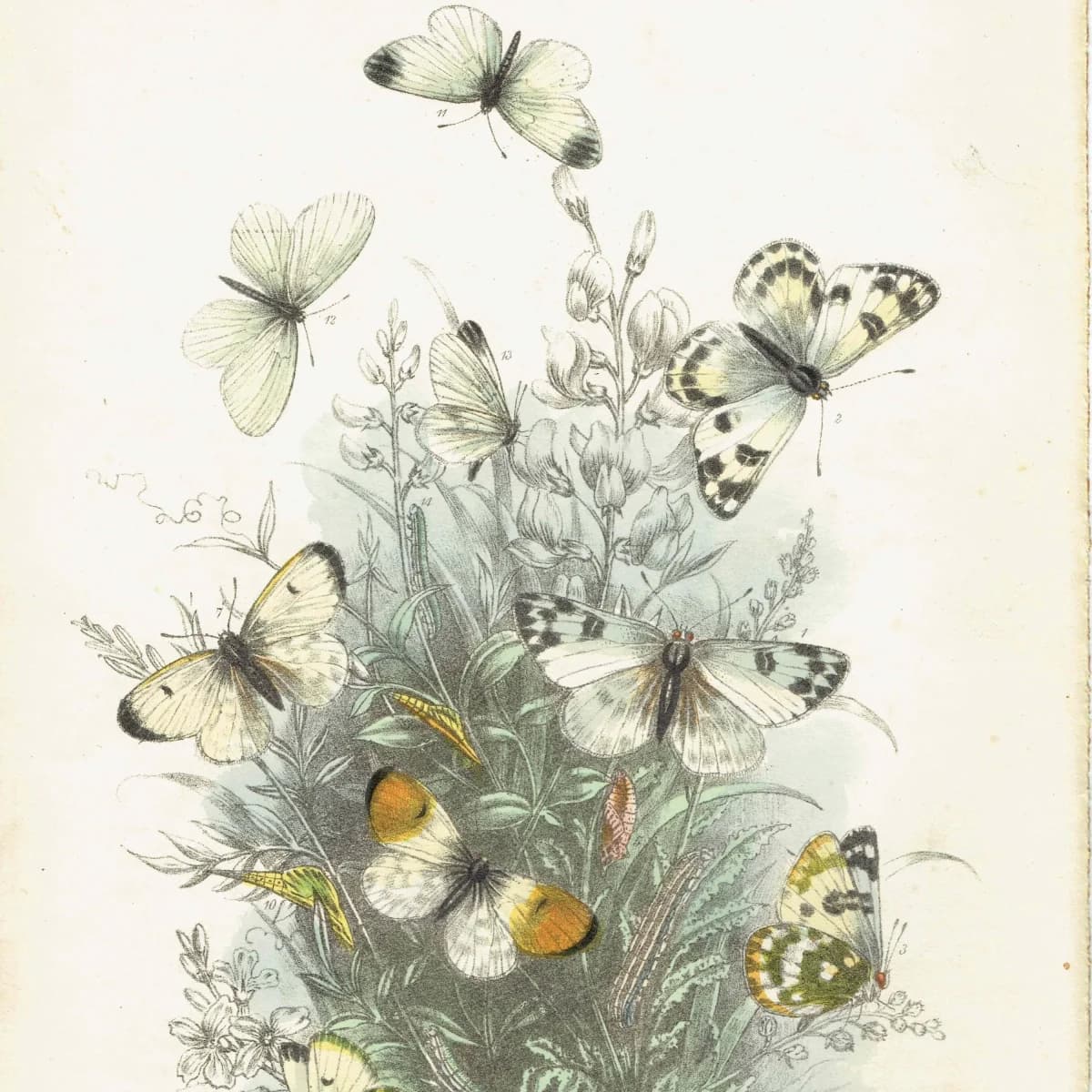
1859 Orange-tip & Wood White Butterfly - Original Antique Print By Humphreys - British Lepidoptera Chromolithograph Life Cycle - 7 x 10.4 in
7 x 10.4 in
19th Century
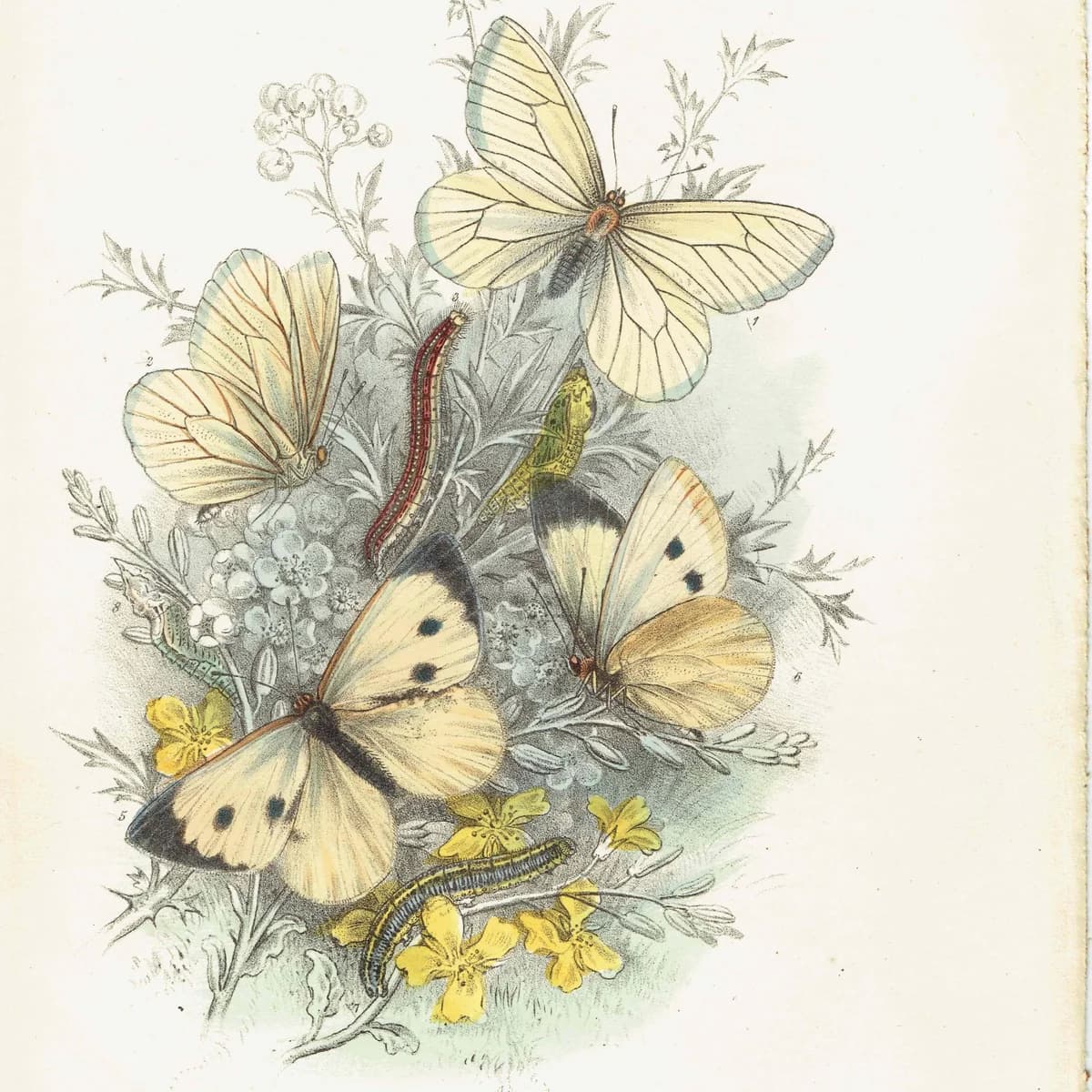
1859 Black-veined White & Great Cabbage White Butterflies - Hand-Coloured Lithograph, Henry Noel Humphreys, Plate III - 7 x 10.4 in
7 x 10.4 in
19th Century
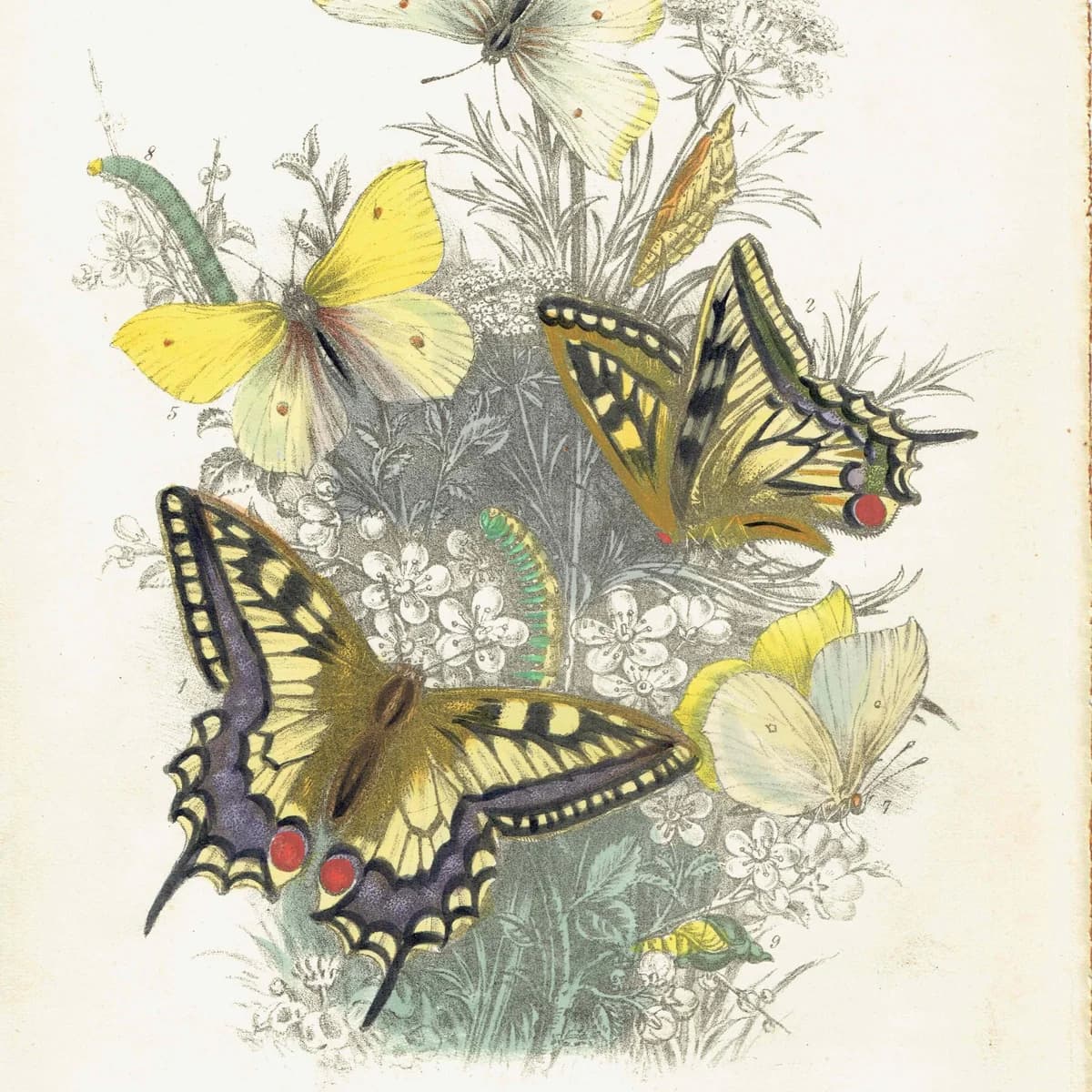
1859 Swallowtail & Brimstone Butterflies - Hand-Coloured Lithograph by Henry Noel Humphreys, Plate I - 7 x 10.4 in
7 x 10.4 in
19th Century
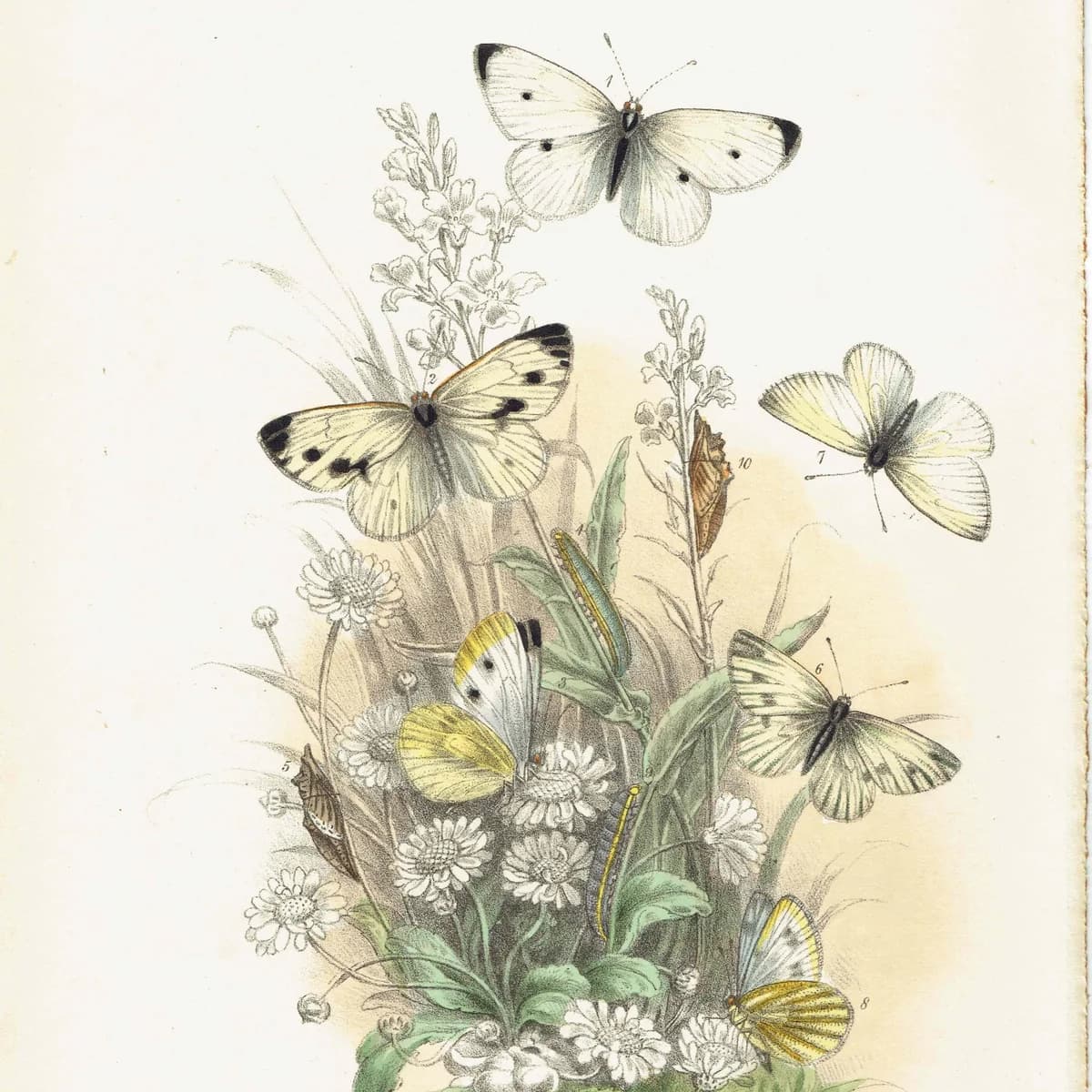
1859 Small Cabbage White & Green-veined White Butterflies - Hand-Coloured Lithograph, Henry Noel Humphreys, Plate IV - 7 x 10.4 in
7 x 10.4 in
19th Century

Antique White Water Lily Print – 1910s Hulme Botanical Illustration
Early 20th Century
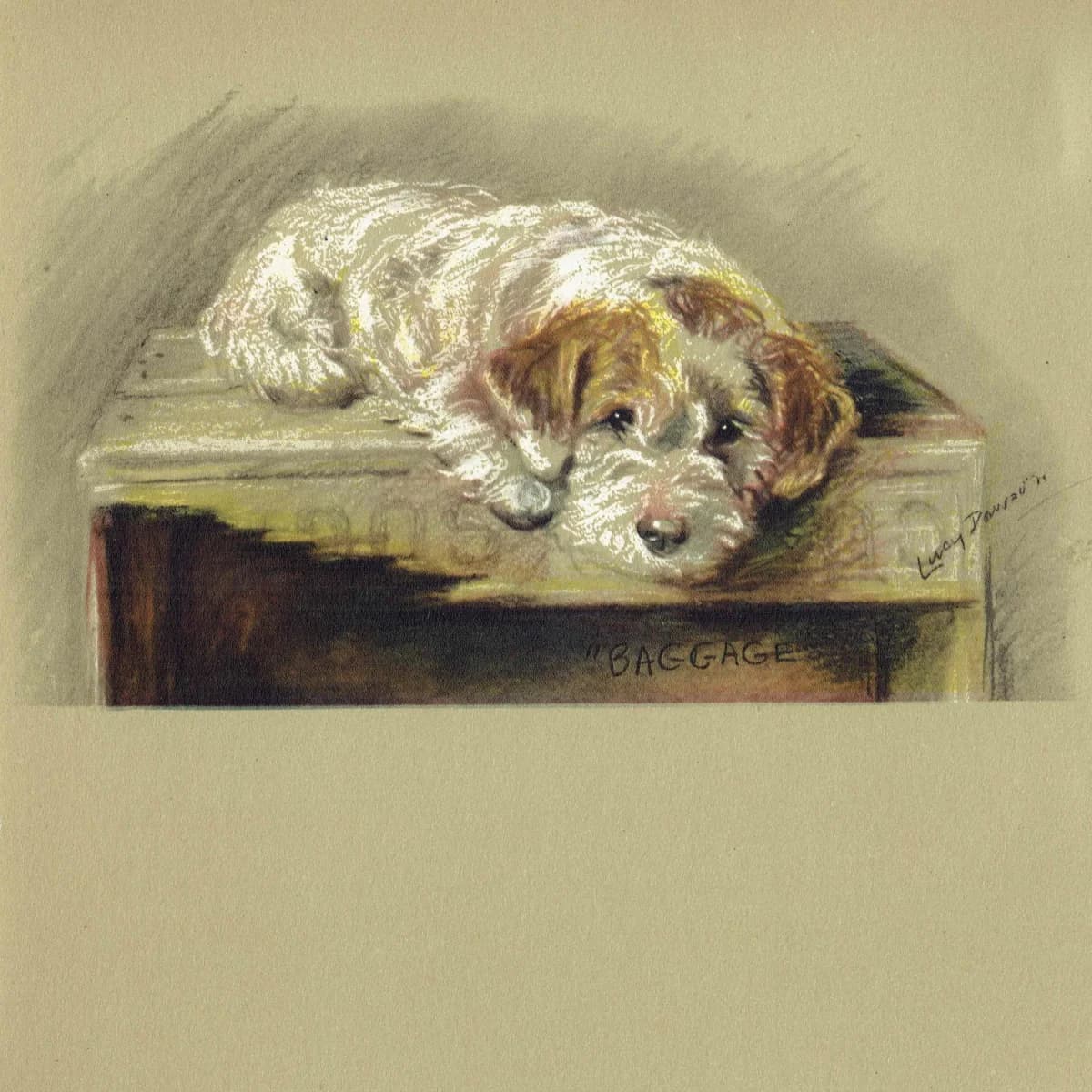
1946 Wire Fox Terrier 'Baggage' - Original Vintage Print By Dawson - Dog Portrait Pet Art Neighbours Lucy - 7 x 9.5 in
7 x 9.5 in
Mid 20th Century