

1 of 6
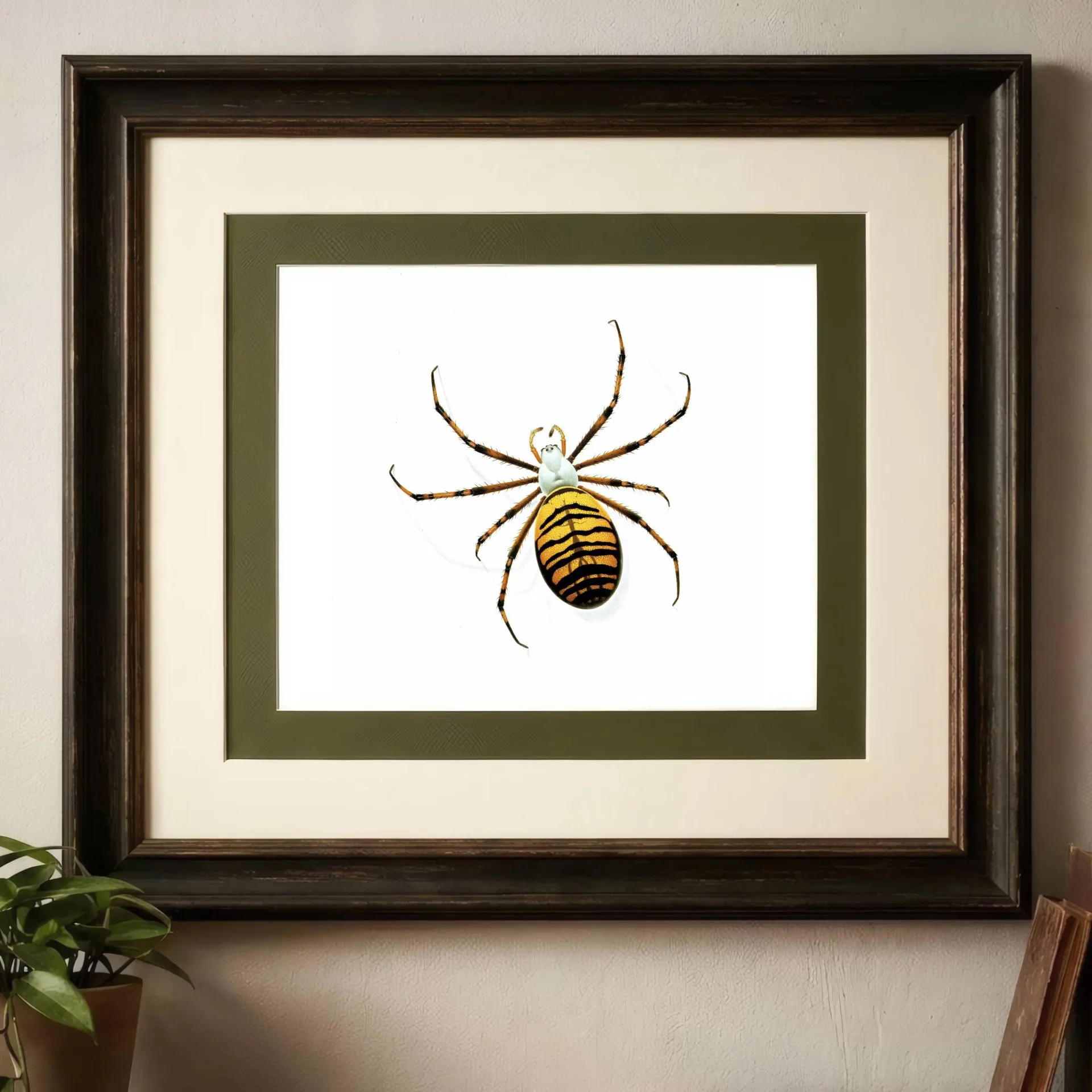
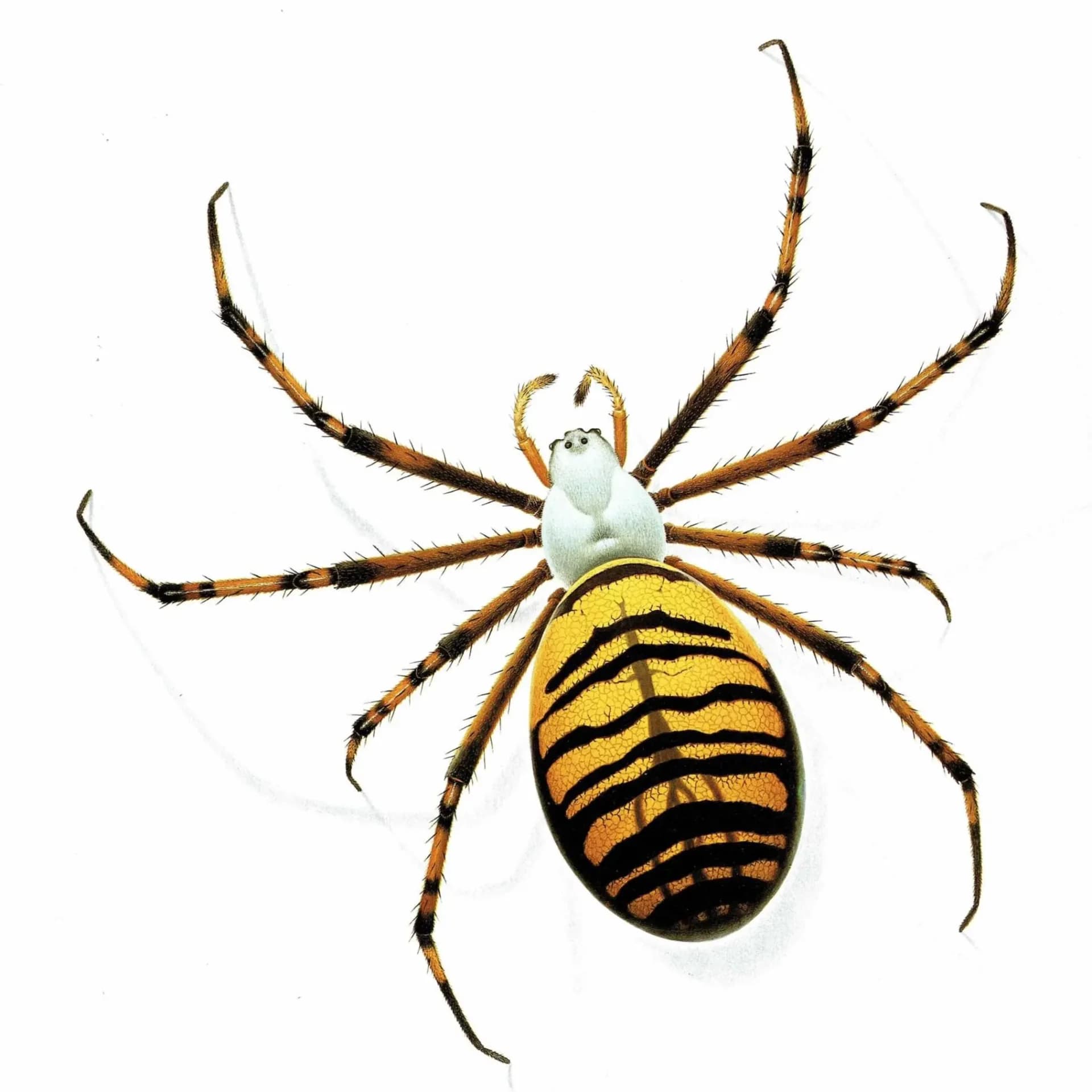
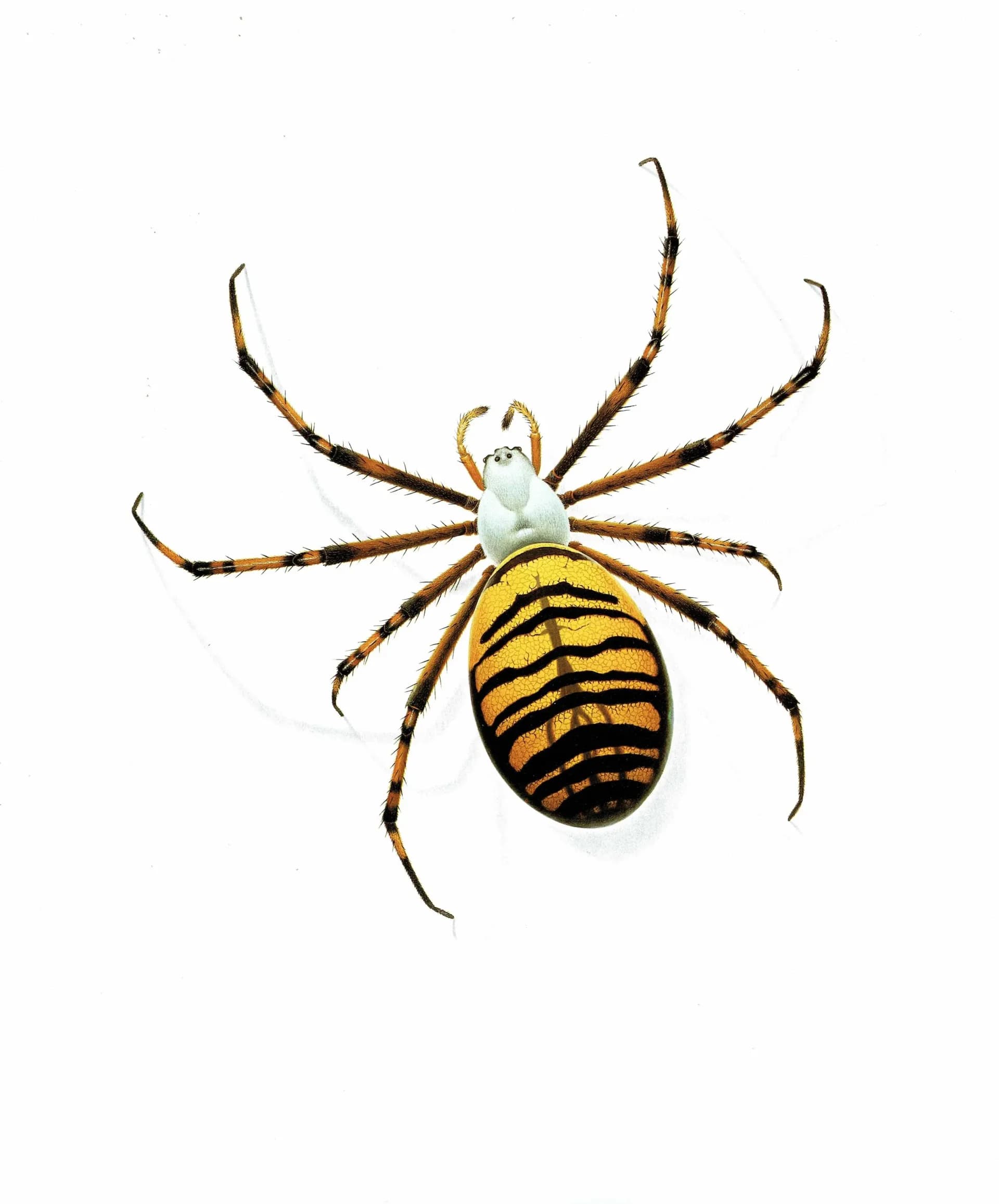
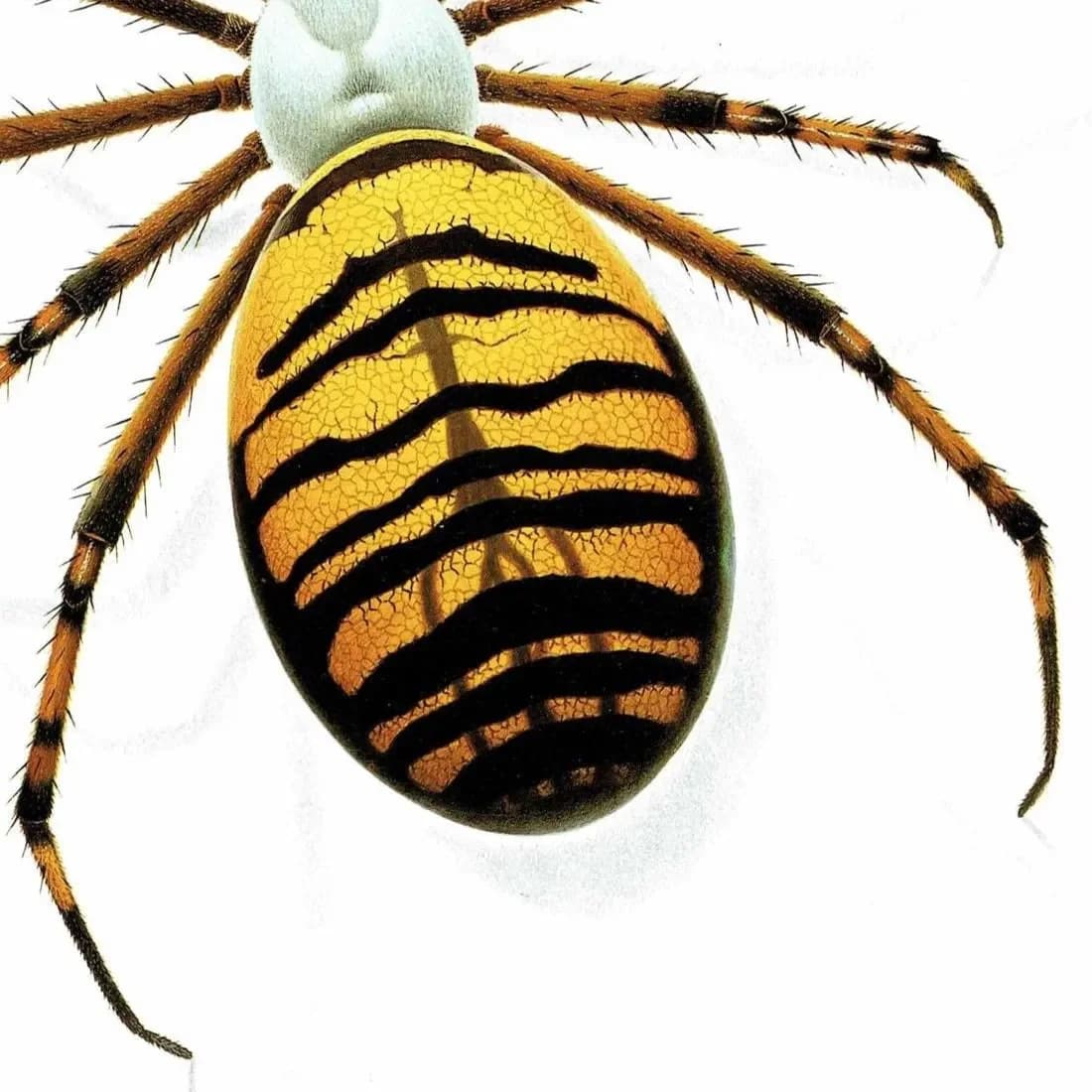
1986 Wasp Orb-Weaver Spider Argiope Bruennichii Print - Durin Bernard Les Insectes Scientific Illustration - Scopoli Entomology - 11 x 13 in
This is a gorgeous high quality vintage print with vivid colours taken from a disbound copy of Les Insectes by Bernard Durin. The dimensions are 11 x 13 inches.
Visit https://www.etsy.com/uk/shop/ForestHillArtsHouse?section_id=for more prints.
The print shows the Wasp Spider or Banded Garden Spider, which belongs to the family of orb-weaving spiders (Araneidae), which includes more than 2,500 species. These spiders are recognized by their orb-shaped, geometric webs. The European garden spider (or cross orb-weaver) is the best-known, but it belongs to a specific subfamily. The true orb-weavers number about 2,000 species, while the banded orb-weavers represent another subfamily with around 150 species.
As their name suggests, these spiders have striped patterns, black and white like those of a zebra, on a white or silver background, a defining trait of this species. They are also recognized by the white zigzag band, known as the stabilimentum, woven into their web. Some researchers believe the spider modifies its environment with this zigzag band to better deceive or warn predators. Others think it’s a mechanical reinforcement to stabilize the web, though there’s still no consensus.
While the cross orb-weaver hides off to the side, the banded garden spider stays in the center of its web, resting head down in the middle of the main spiral. Its retreat is cleverly connected to the web by a signal thread that vibrates when prey arrives. In this position, the spider remains immobile, legs spread in an X-shape. The orb web is about 30 cm in diameter and consists of two types of silk: non-sticky radial threads and sticky spiral threads that ensnare prey.
To construct this, the spider first spins anchor threads and a framework, then constructs a temporary spiral. From the center, she spins an outward spiral, then replaces it with the final sticky inward spiral. The temporary spiral, once replaced, is removed.
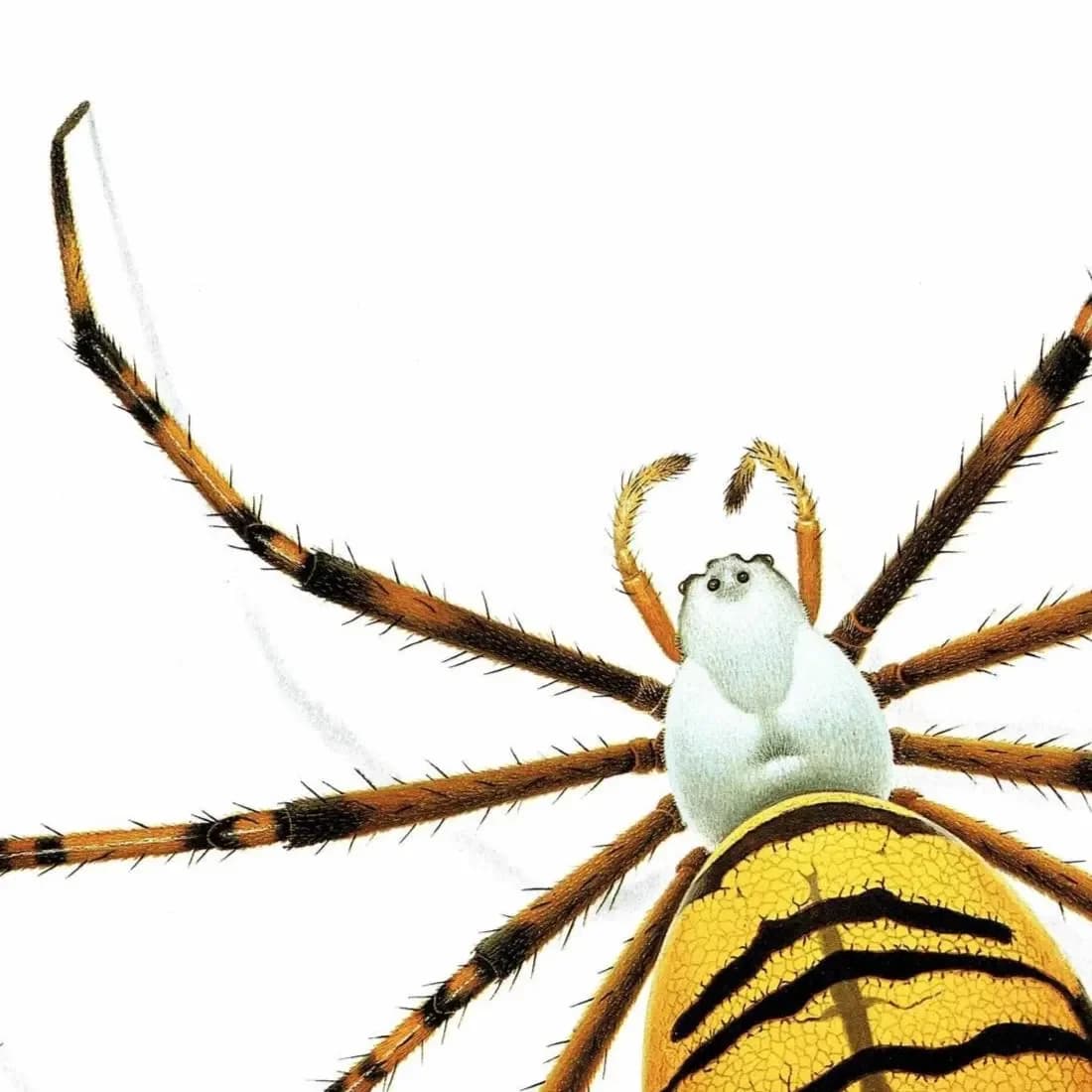
Like most spiders, the banded garden spider's body is divided into two parts: the cephalothorax (head and thorax fused together) and the abdomen. The cephalothorax bears 1 to 4 pairs of eyes, pedipalps, chelicerae (fangs), and four pairs of legs. The chelicerae have two segments: a base and a fang through which venom is injected. Using this and silk to immobilize prey, the spider injects venom to kill and liquefy the prey before feeding. Females lay many eggs in silken sacs, producing several broods before reaching adulthood. Mating occurs only once, after which the male is often devoured.
The banded garden spider is a symbol of base instincts and natural strength. It is common in southern Europe and the Mediterranean, while in central Europe (notably England), it is only found in the hottest areas, which are most favorable to it.
The Wasp Spider, Argiope Bruennichi, was discovered and named by Giovanni Antonio Scopoli in 1772. The species name, bruennichi, was given in honor of the Danish zoologist Morten Thrane Brünnich.
**Background**
The artist Bernard Durin was an artist and illustrator transforming the tiniest creatures into works of art. Born in France in 1940, "Beetles and Other Insects," was published in 1980. It is considered a masterpiece. Durin has captured the intricate patterns, textures, and colours of his subjects with stunning accuracy. He made around 60 portraits of insects, using rare and fascinating specimens entrusted to him by the entomologists of the Museum of Natural History in Paris. Durin’s work combines scientific precision with artistic beauty. This has made them valuable to entomologists and other scientists. Bernard Durin passed away in 1988. His illustrations continue to be admired for their beauty and precision, and they remain a valuable resource for anyone interested in the natural world.
**About Your Purchase:**
- Your purchase is this ORIGINAL vintage print. No modern reprints, reproductions, or copies.
- Please note: This print is sold unmounted.
**Condition:** Good. Consistent with age. The reverse shows text in German. There is no show-through.
**Returns & Shipping**
- **Returns:** No-questions-asked within 14 days provided in the same condition as dispatched; buyer pays return shipping.
- **Packaging:** All prints are securely packaged in a clear bag with a board-backed envelope, further reinforced with recycled cardboard.
- Dispatched via Royal Mail Tracked 24/48 (and Royal Mail Tracked International) with:
- UK delivery within 1-3 days
- US/EU delivery within 5-12 days
- Rest-of-world delivery within 7-21 days
Product Details
About This Print
This original insects print dates from the Late 20th Century (1980s). Vintage prints capture the aesthetic sensibilities of their era with distinctive artistic styles.
Each print from Forest Hill Arts House is carefully inspected for condition and authenticity. We provide detailed provenance information and ship with protective packaging to ensure your print arrives in excellent condition.
Related Topics
wasp spider printbanded spider artorb weaver spiderdurin spider printargiope bruennichivintage spider artgarden spider decorstriped spider art
Need a Custom Mount for Your Print?
We offer precision machine-cut picture mounts to your exact specifications. Choose from conservation-grade or standard mount board options.
Order Custom MountsRelated Products
You might also be interested in these prints
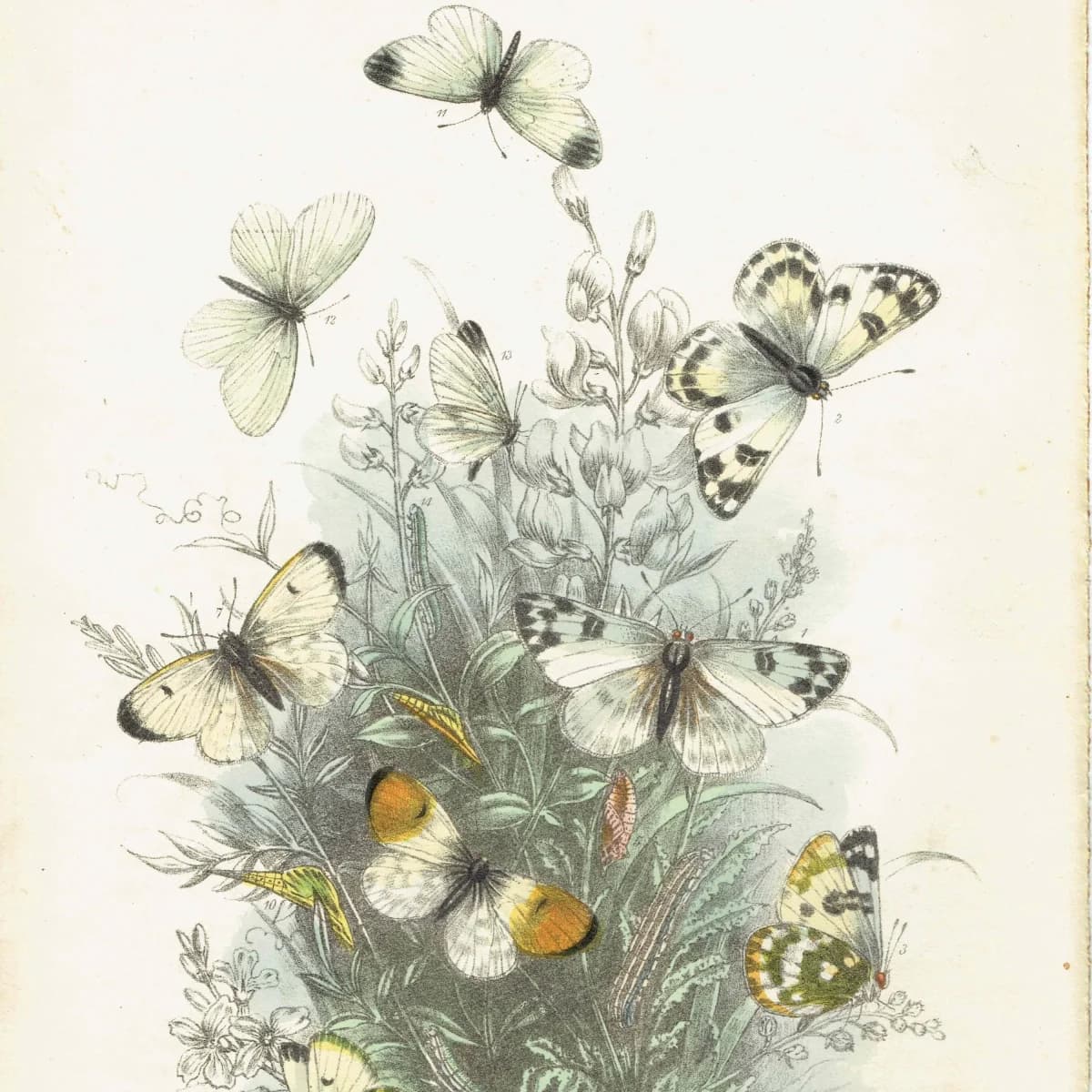
1859 Orange-tip & Wood White Butterfly - Original Antique Print By Humphreys - British Lepidoptera Chromolithograph Life Cycle - 7 x 10.4 in
7 x 10.4 in
19th Century
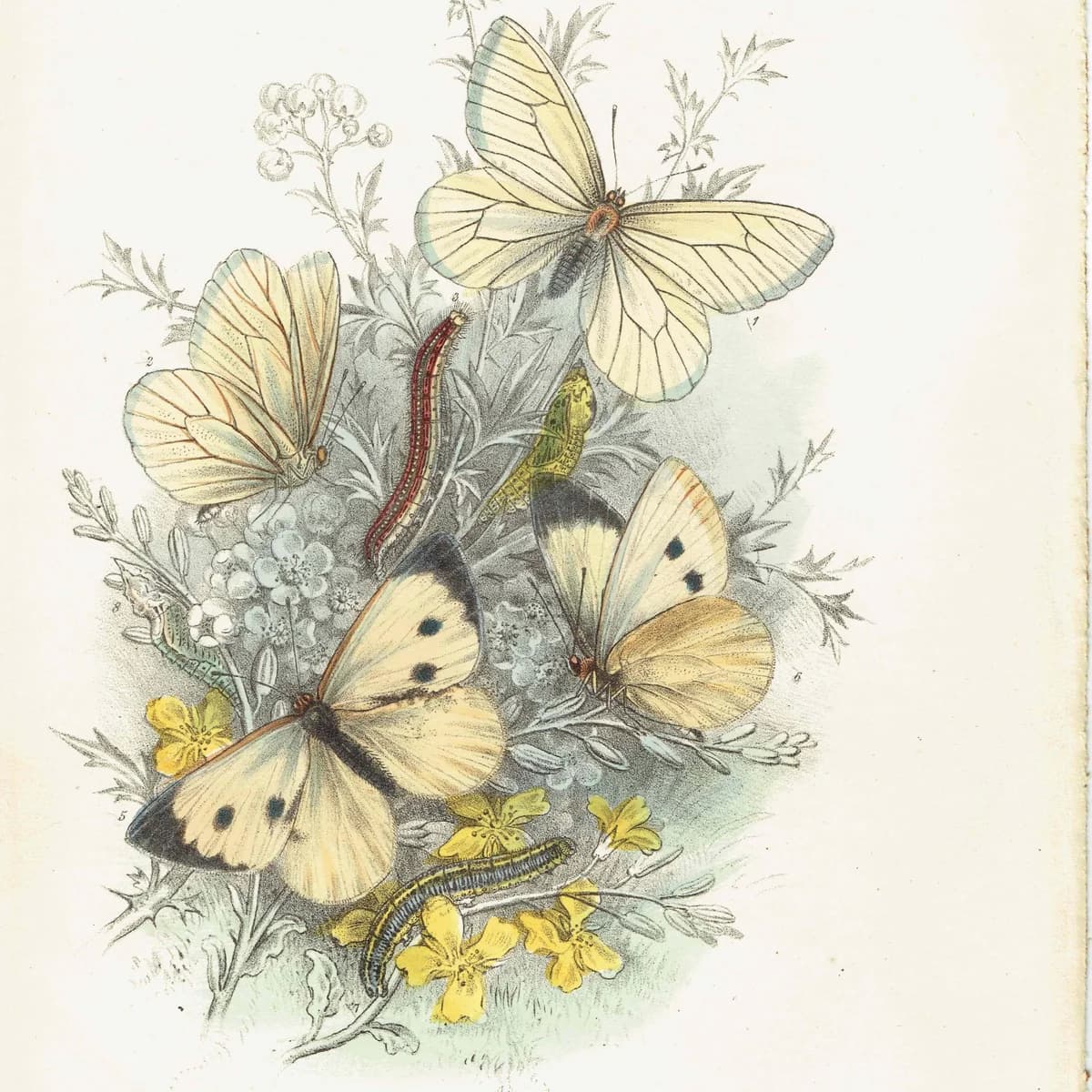
1859 Black-veined White & Great Cabbage White Butterflies - Hand-Coloured Lithograph, Henry Noel Humphreys, Plate III - 7 x 10.4 in
7 x 10.4 in
19th Century
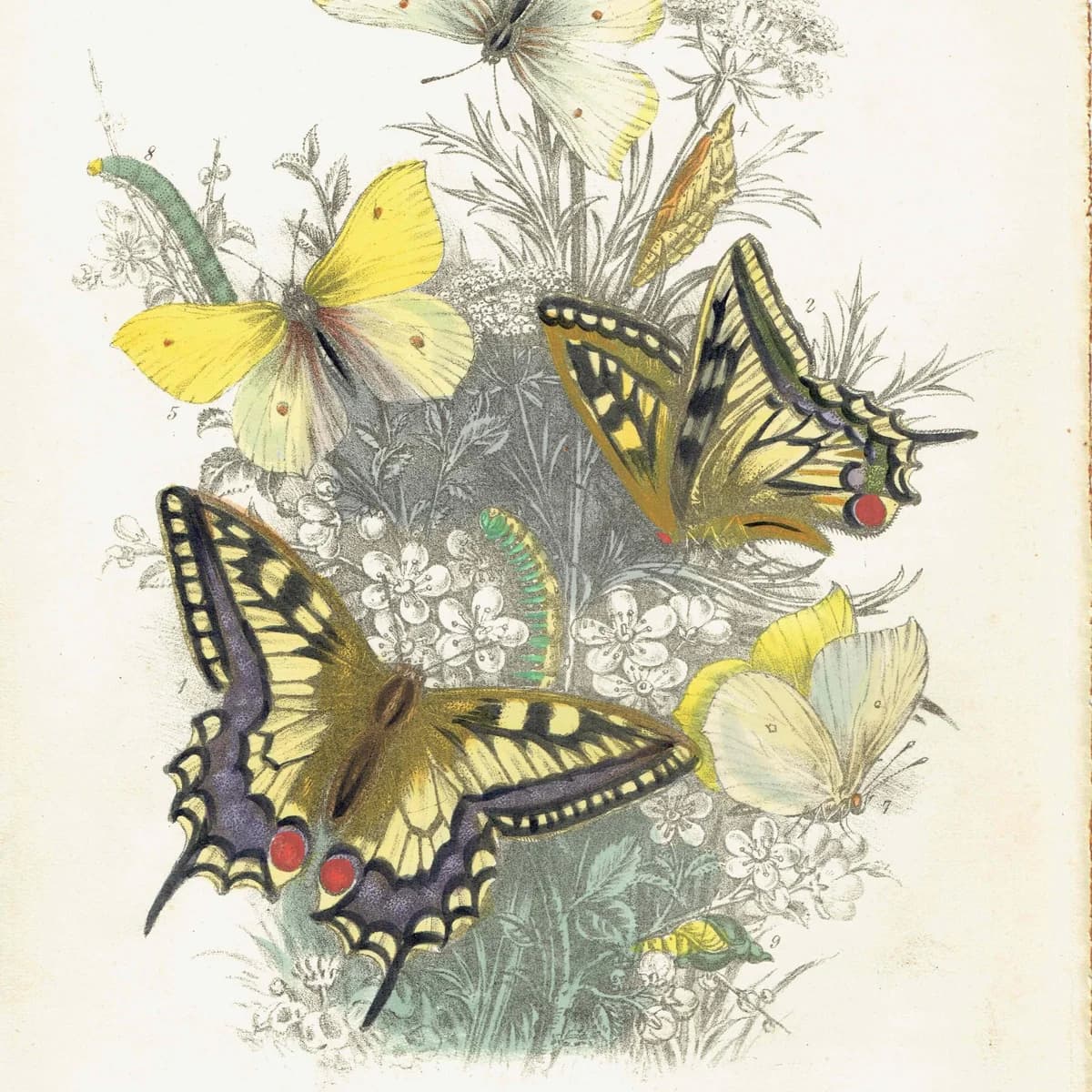
1859 Swallowtail & Brimstone Butterflies - Hand-Coloured Lithograph by Henry Noel Humphreys, Plate I - 7 x 10.4 in
7 x 10.4 in
19th Century
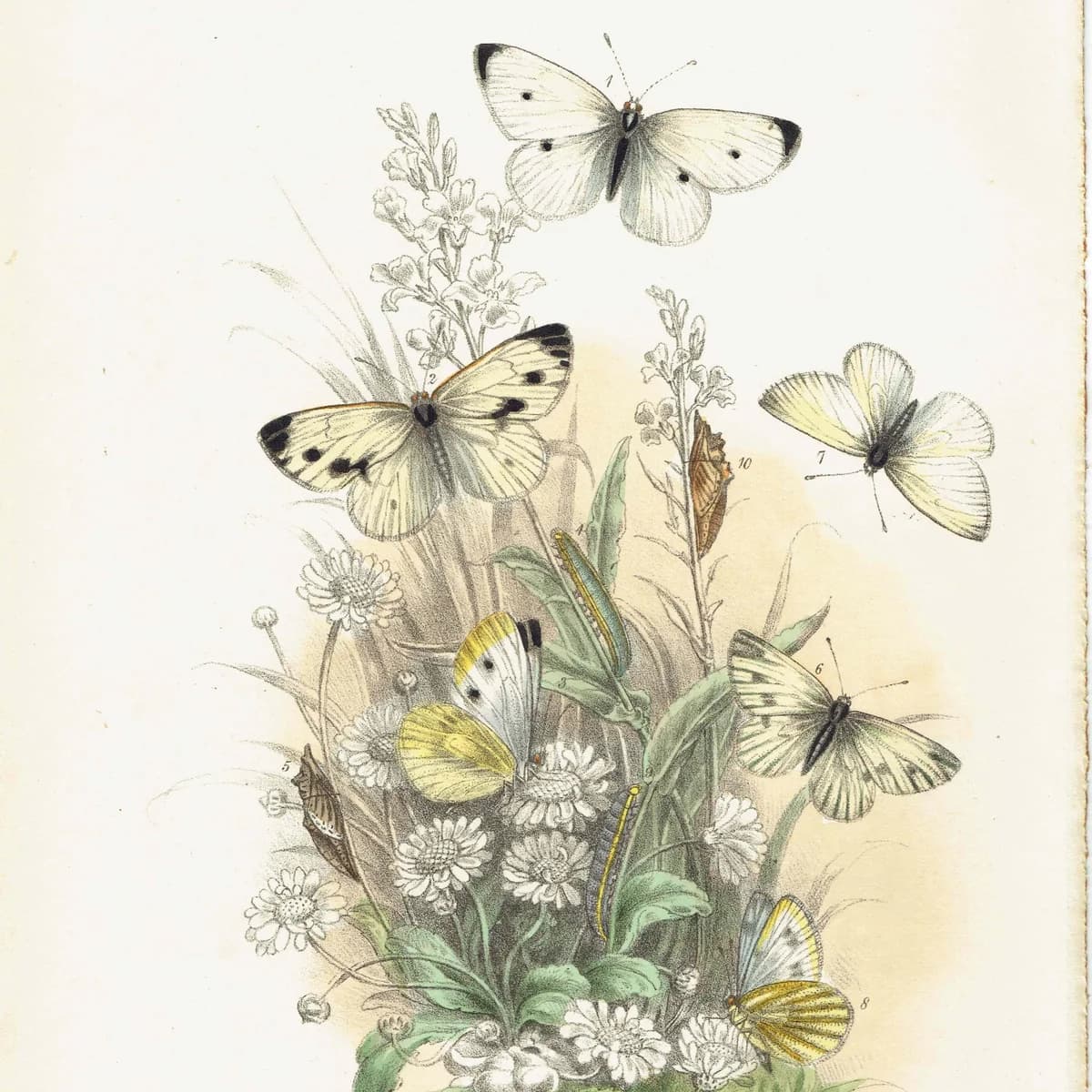
1859 Small Cabbage White & Green-veined White Butterflies - Hand-Coloured Lithograph, Henry Noel Humphreys, Plate IV - 7 x 10.4 in
7 x 10.4 in
19th Century
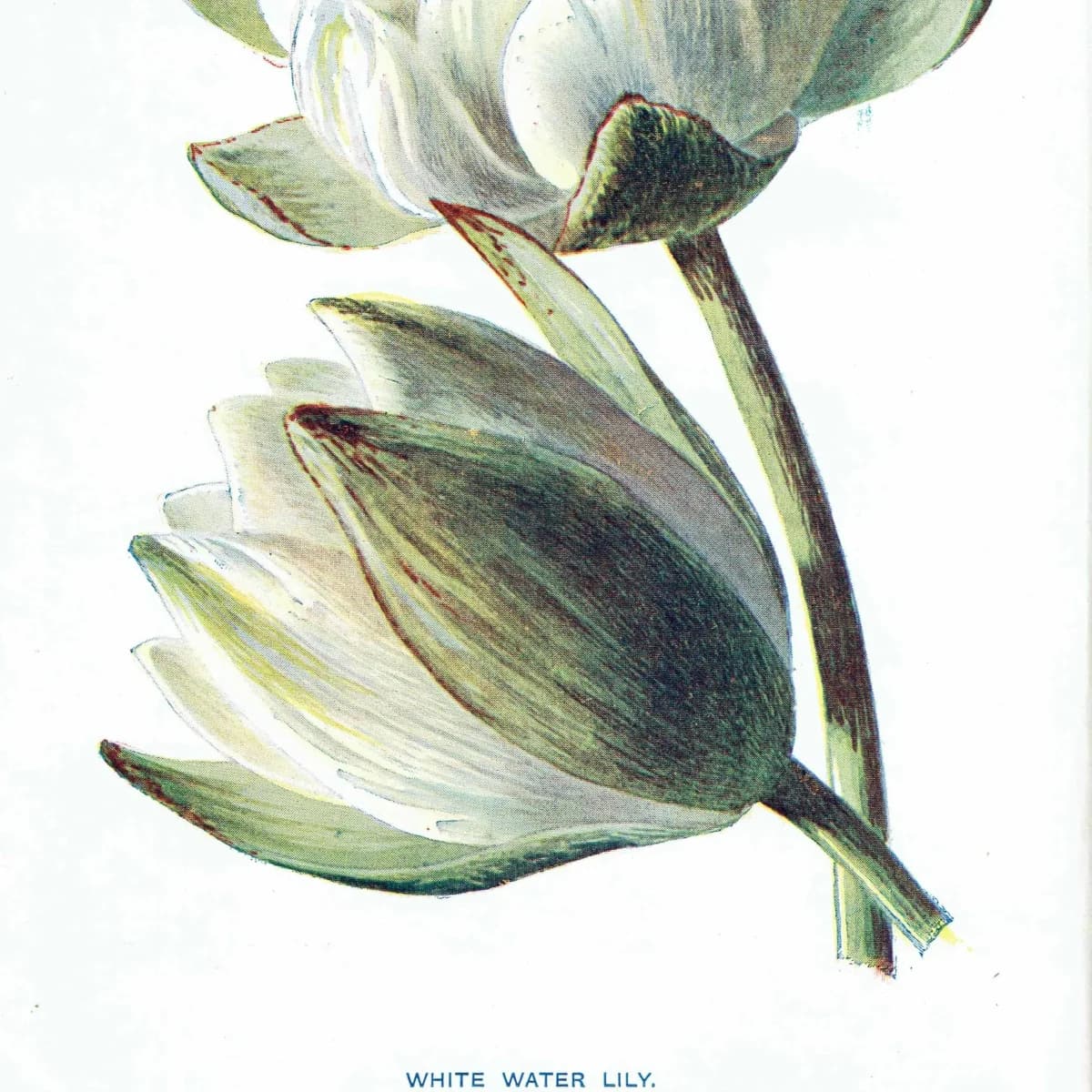
Antique White Water Lily Print – 1910s Hulme Botanical Illustration
Early 20th Century
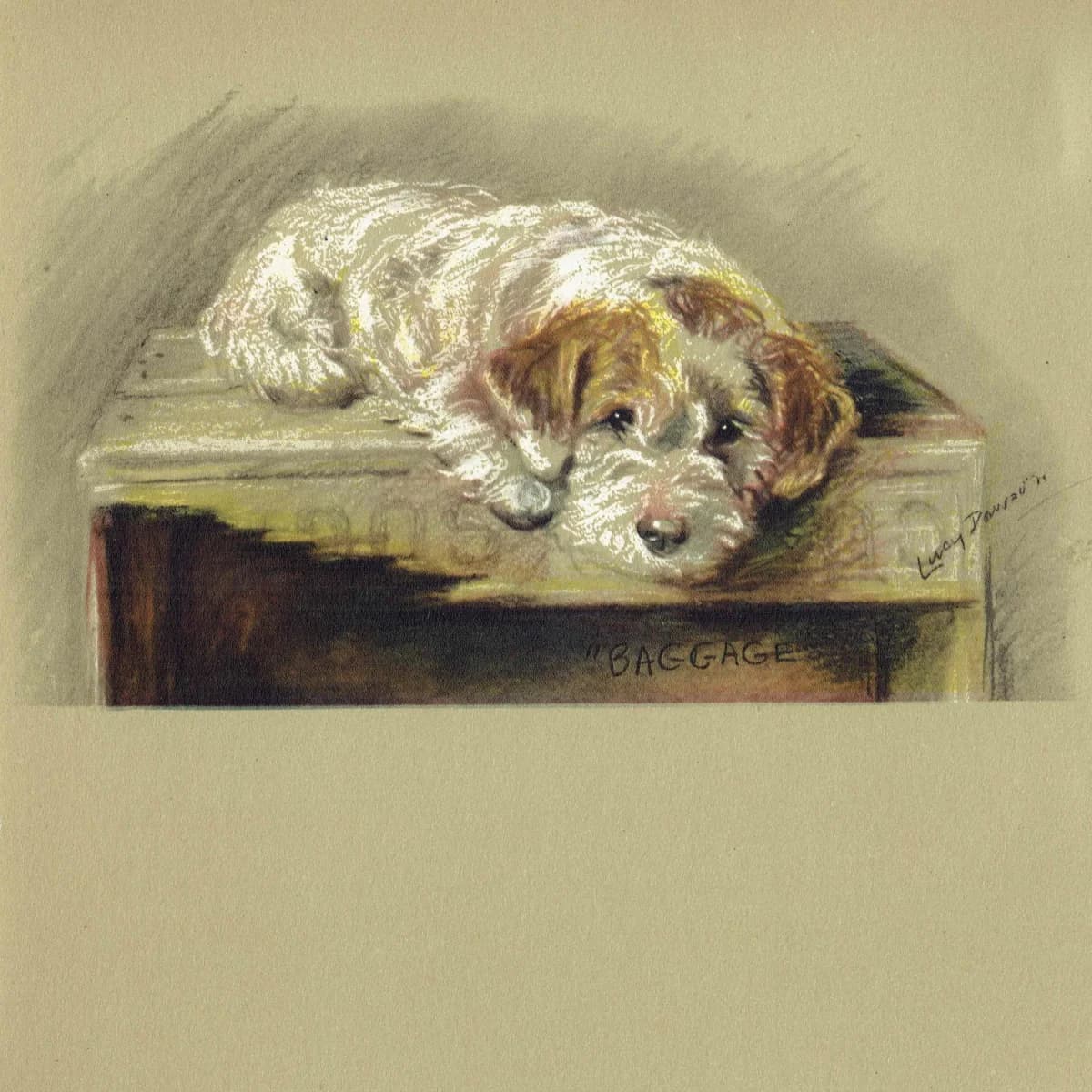
1946 Wire Fox Terrier 'Baggage' - Original Vintage Print By Dawson - Dog Portrait Pet Art Neighbours Lucy - 7 x 9.5 in
7 x 9.5 in
Mid 20th Century